


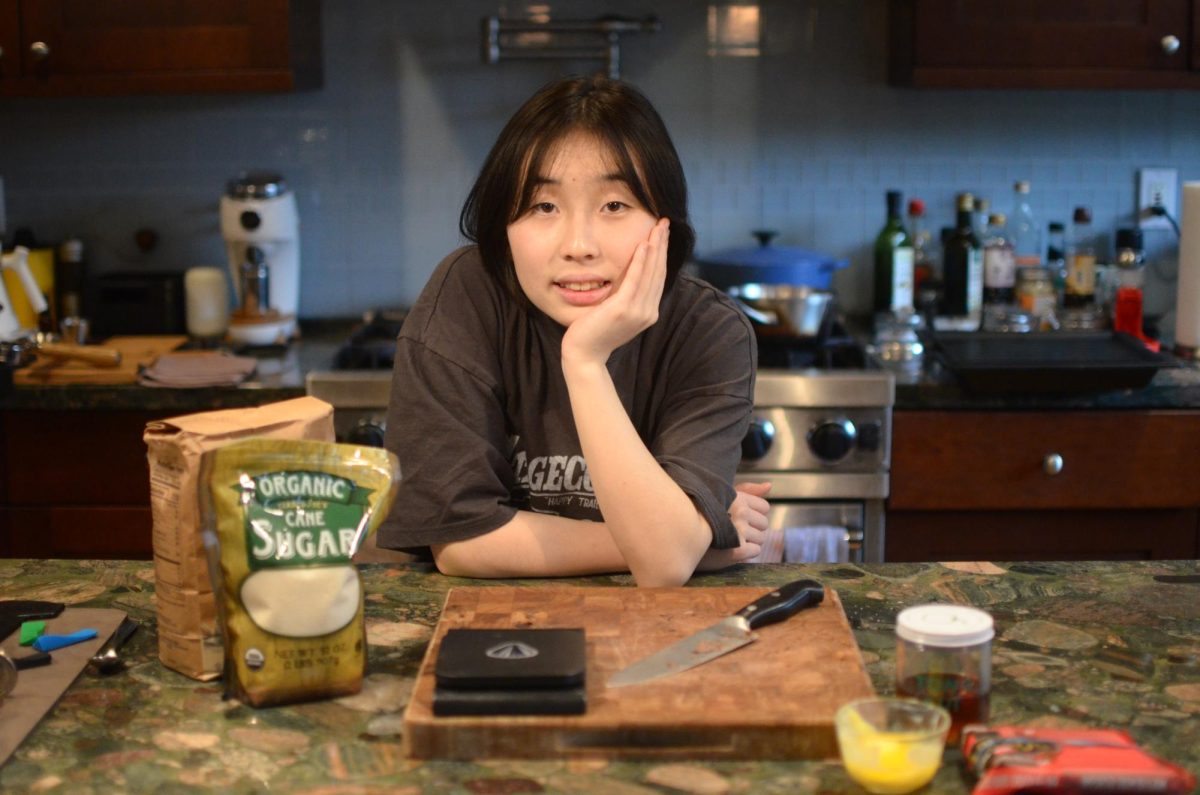
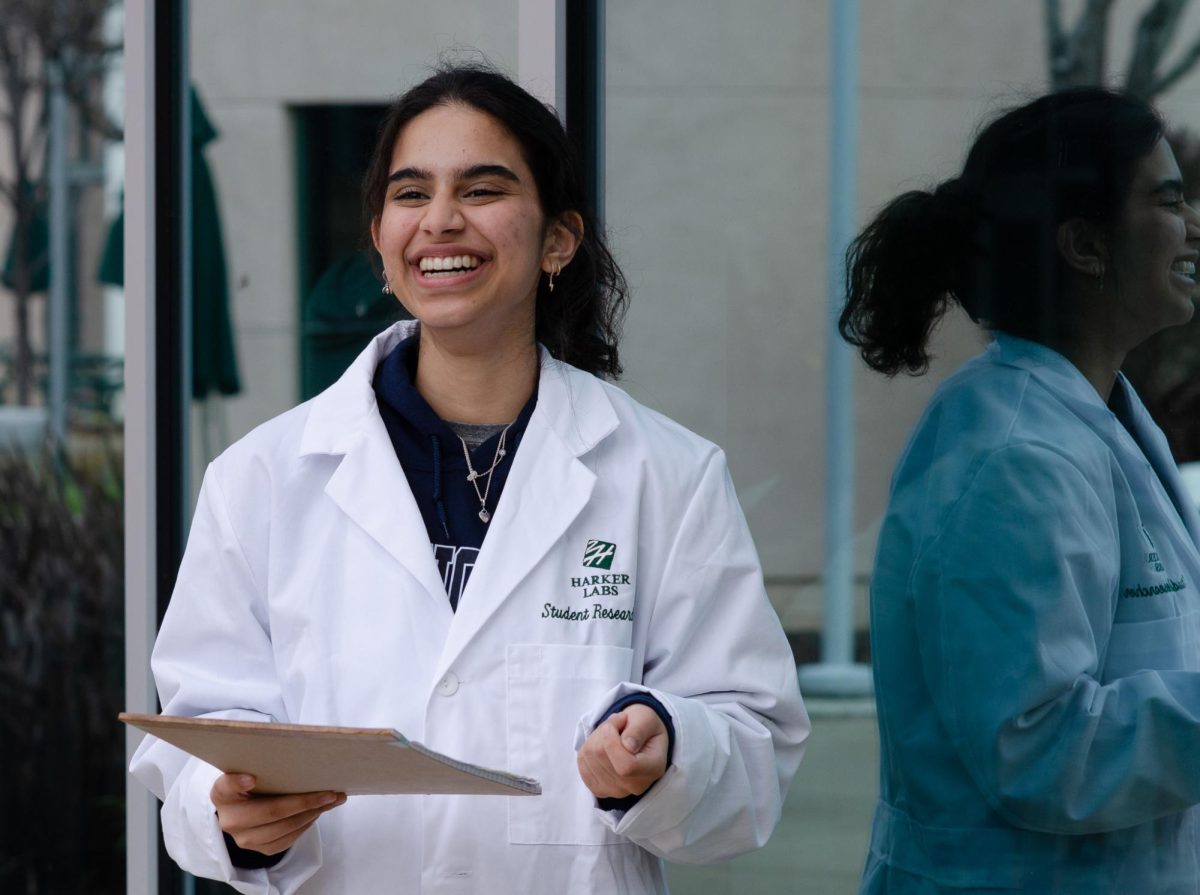
![“I wasn't discouraged by some of the obstacles we faced. I learned a lot from the leadership. I found that different people need different ways of receiving feedback — you can't [just] tell them to do something and expect the best. [Some] people needed more incentive. A large part of my role was to figure out what worked for everyone and to figure out how to lead all these separate individuals as a team,” Suhana Bhandare (’26) said.](https://harkeraquila.com/wp-content/uploads/2026/06/SuhanaBhandare_JasmineHansra-1-1200x798.jpg)


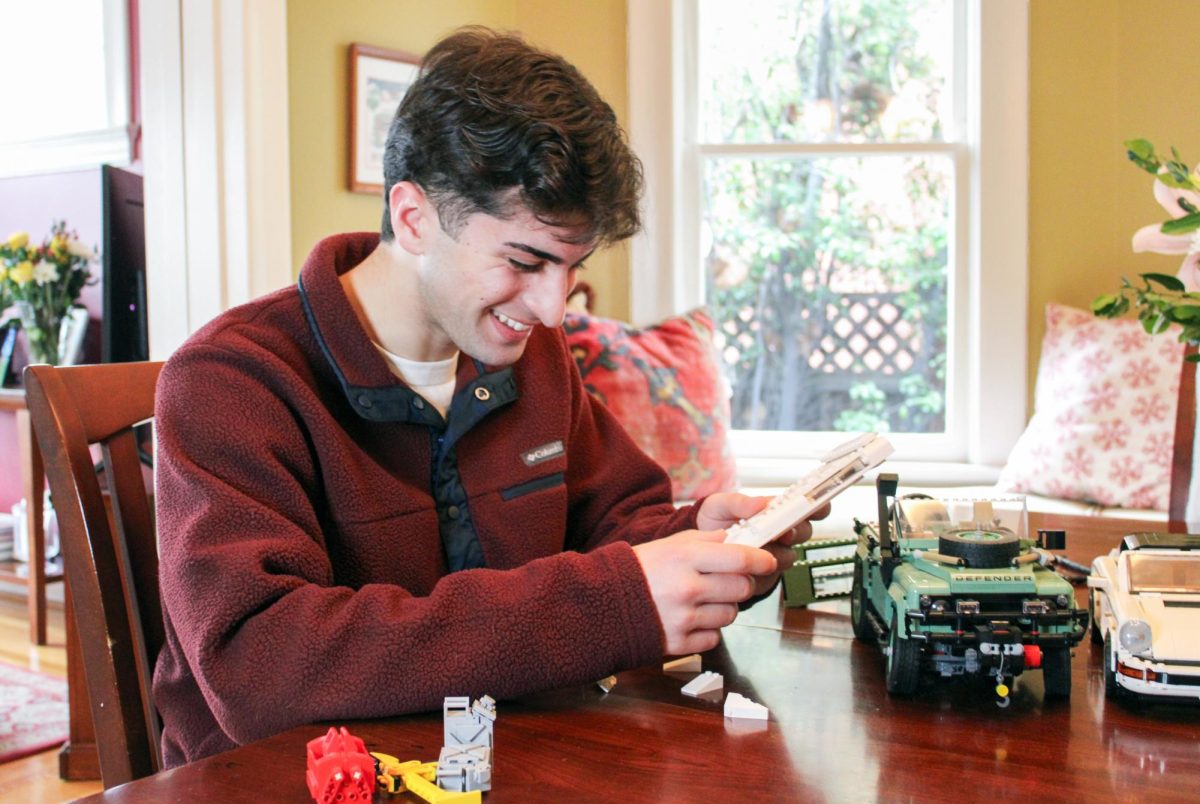
![“This is actually from Randy Pausch Randy P. Brick: ‘Walls are there for a reason. You have to show how much you want to overcome them.’ You have to show how much you want something. That's what I've always been able to do with tennis, Link Crew and getting that internship [with Kushy Baby]. It’s important pushing through that — getting around that brick wall, climbing over it or clawing through it,” Yash Sachdeva (’26) said.](https://harkeraquila.com/wp-content/uploads/2026/05/YashSachdeva_RamBatchu-copy-1200x1002.jpg)






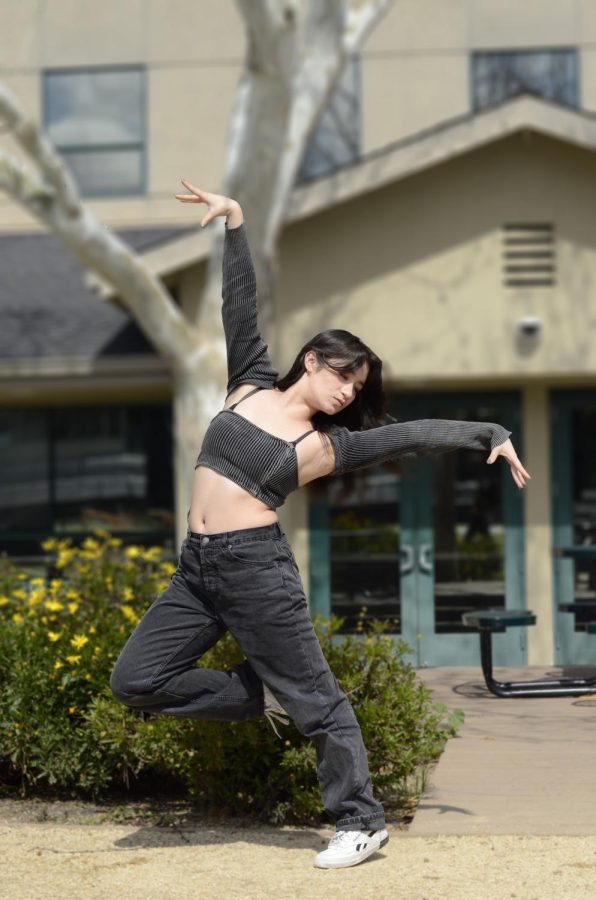


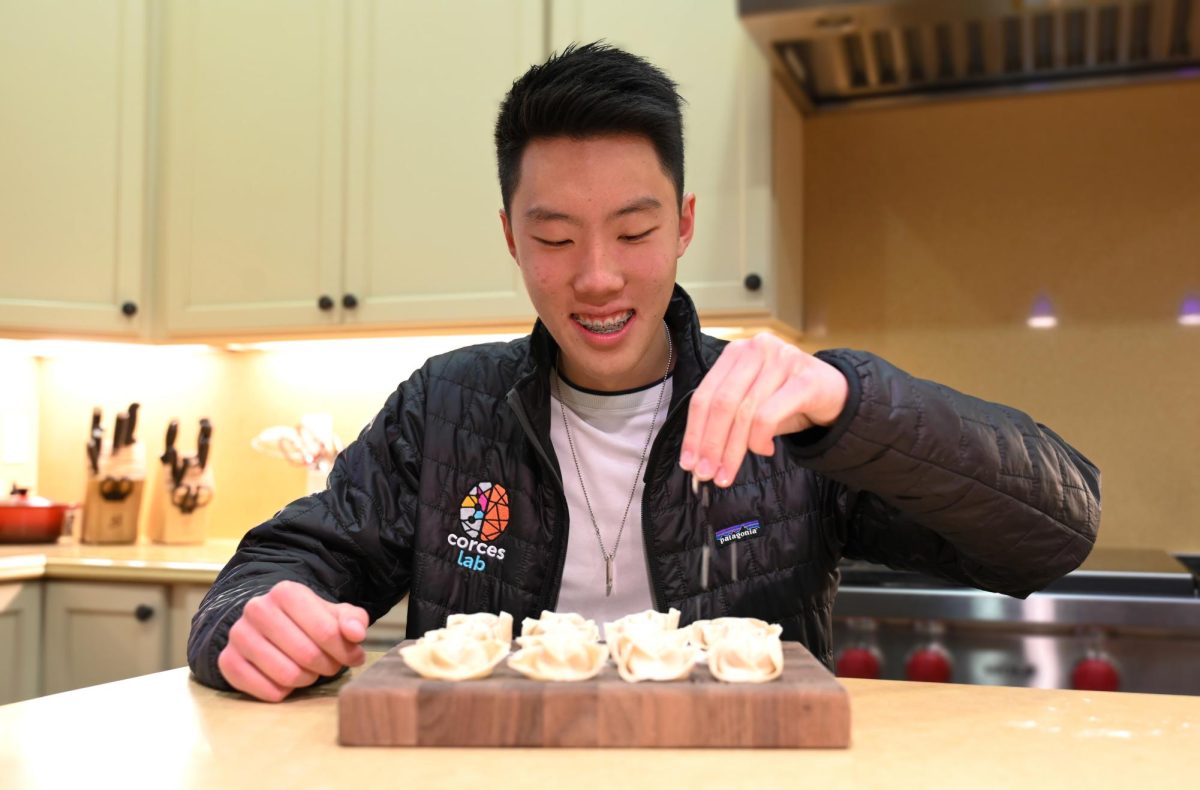
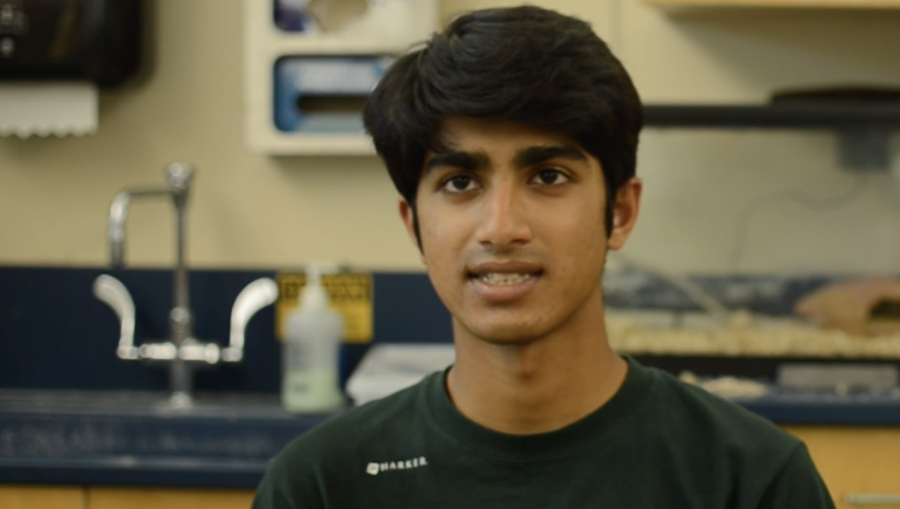
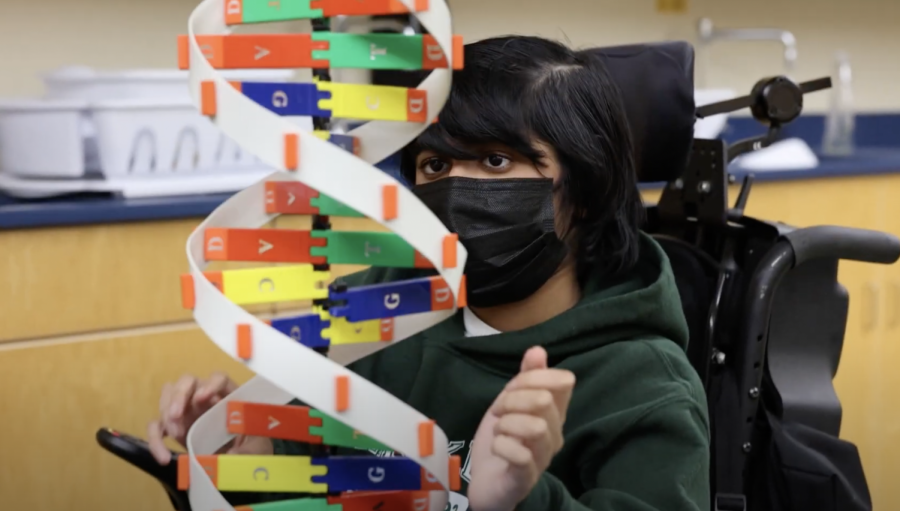
![“[Building nerf blasters] became this outlet of creativity for me that hasn't been matched by anything else. The process [of] making a build complete to your desire is such a painstakingly difficult process, but I've had to learn from [the skills needed from] soldering to proper painting. There's so many different options for everything, if you think about it, it exists. The best part is [that] if it doesn't exist, you can build it yourself," Ishaan Parate said.](https://harkeraquila.com/wp-content/uploads/2022/08/DSC_8149-900x604.jpg)
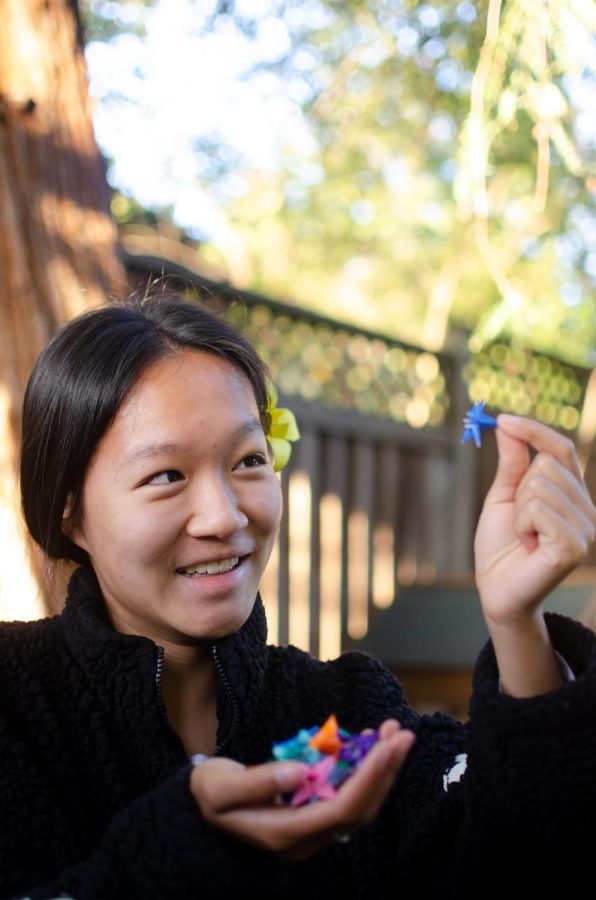



![“When I came into high school, I was ready to be a follower. But DECA was a game changer for me. It helped me overcome my fear of public speaking, and it's played such a major role in who I've become today. To be able to successfully lead a chapter of 150 students, an officer team and be one of the upperclassmen I once really admired is something I'm [really] proud of,” Anvitha Tummala ('21) said.](https://harkeraquila.com/wp-content/uploads/2021/07/Screen-Shot-2021-07-25-at-9.50.05-AM-900x594.png)



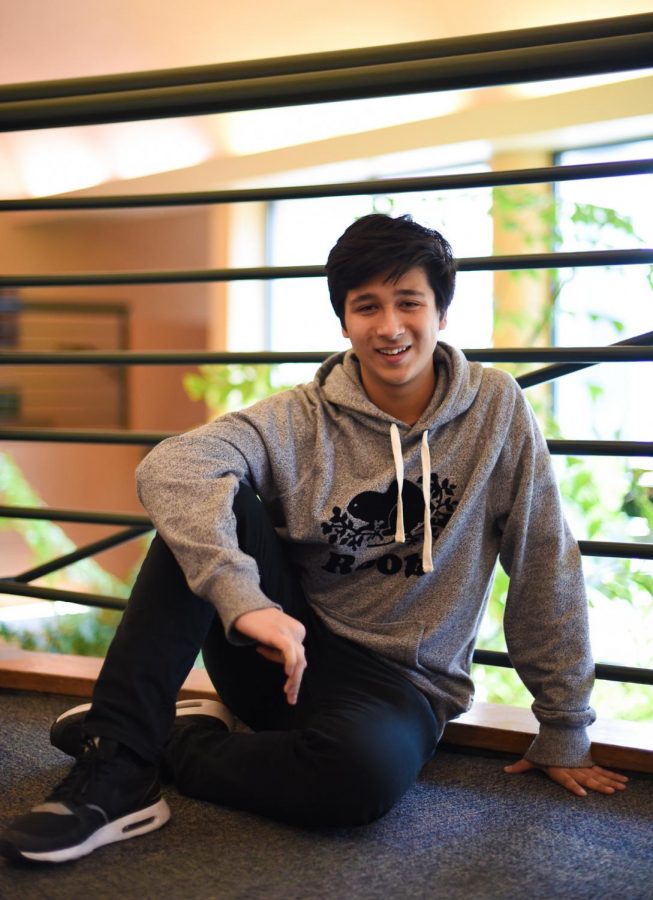
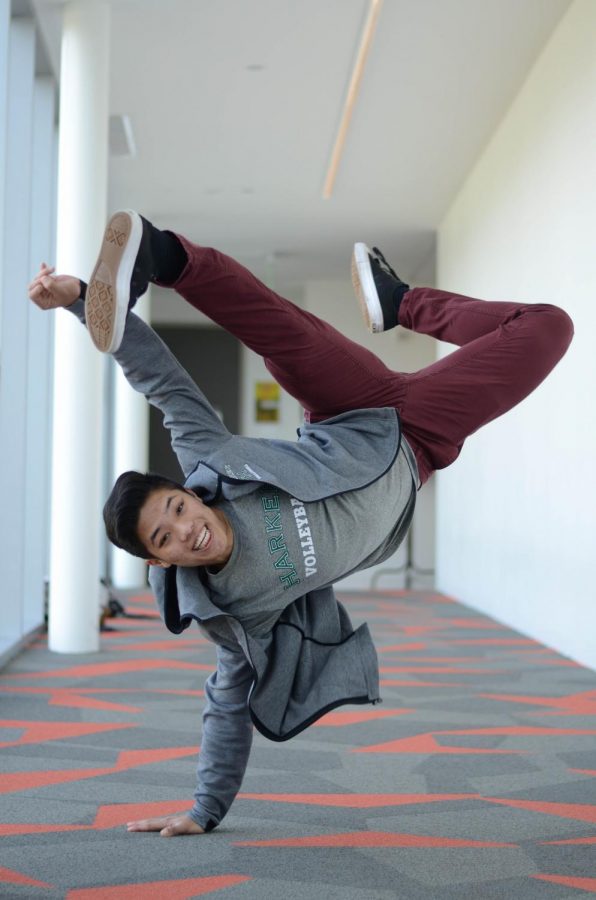


![“I think getting up in the morning and having a sense of purpose [is exciting]. I think without a certain amount of drive, life is kind of obsolete and mundane, and I think having that every single day is what makes each day unique and kind of makes life exciting,” Neymika Jain (12) said.](https://harkeraquila.com/wp-content/uploads/2017/06/Screen-Shot-2017-06-03-at-4.54.16-PM.png)



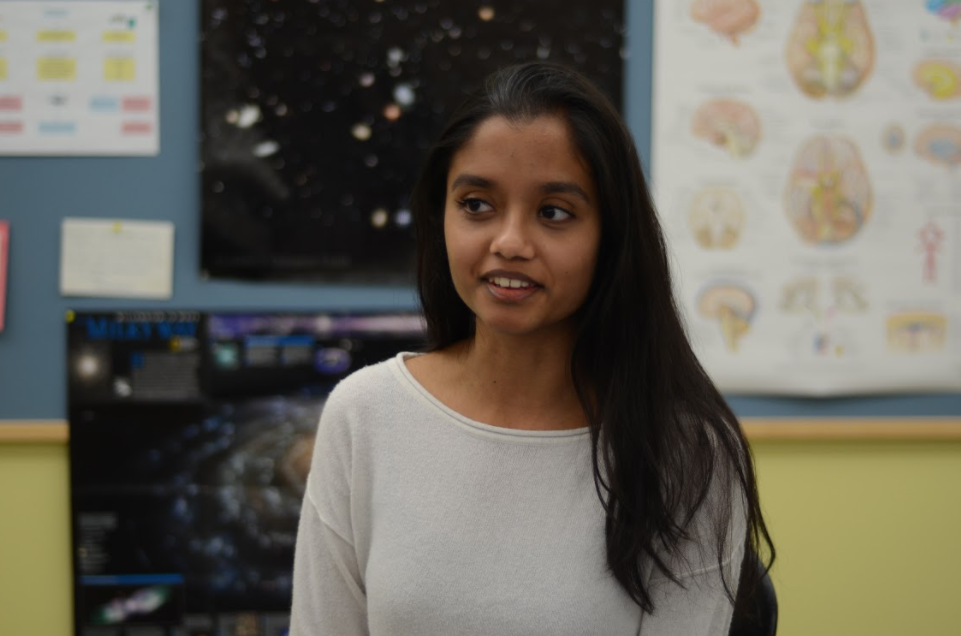


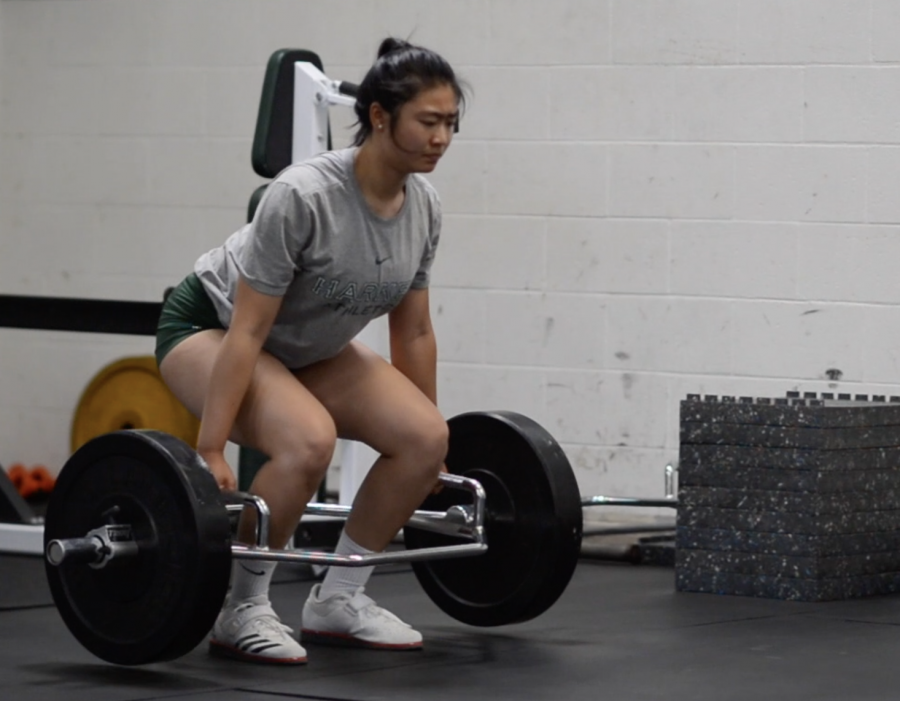

![“My slogan is ‘slow feet, don’t eat, and I’m hungry.’ You need to run fast to get where you are–you aren't going to get those championships if you aren't fast,” Angel Cervantes (12) said. “I want to do well in school on my tests and in track and win championships for my team. I live by that, [and] I can do that anywhere: in the classroom or on the field.”](https://harkeraquila.com/wp-content/uploads/2018/06/DSC5146-900x601.jpg)
![“[Volleyball has] taught me how to fall correctly, and another thing it taught is that you don’t have to be the best at something to be good at it. If you just hit the ball in a smart way, then it still scores points and you’re good at it. You could be a background player and still make a much bigger impact on the team than you would think,” Anya Gert (’20) said.](https://harkeraquila.com/wp-content/uploads/2020/06/AnnaGert_JinTuan_HoHPhotoEdited-600x900.jpeg)

![“I'm not nearly there yet, but [my confidence has] definitely been getting better since I was pretty shy and timid coming into Harker my freshman year. I know that there's a lot of people that are really confident in what they do, and I really admire them. Everyone's so driven and that has really pushed me to kind of try to find my own place in high school and be more confident,” Alyssa Huang (’20) said.](https://harkeraquila.com/wp-content/uploads/2020/06/AlyssaHuang_EmilyChen_HoHPhoto-900x749.jpeg)


Humans of Harker: Logic and levelheadedness
Grace Huang (12) applies analytical thinking to build relationships
![“The analytical thinking skills that I’ve learned from taking classes and practicing math have helped me to analyze the world in a more theoretical way. Sometimes when I see things in the world, I can attribute [them] to different theoretical ideas,” Grace Huang (12) said.](https://harkeraquila.com/wp-content/uploads/2020/03/GraceHuang_ArelySun_HoHPhoto-e1583197367786-601x900.jpg)
“The analytical thinking skills that I’ve learned from taking classes and practicing math have helped me to analyze the world in a more theoretical way. Sometimes when I see things in the world, I can attribute [them] to different theoretical ideas,” Grace Huang (12) said.
A gray and white pile of fuzzy floral fabric squirms on a beige couch in English teacher Christopher Hurshman’s room. Peeking from the soft edge of the blanket, Grace Huang (12) groggily sits up from a nap, the tips of her black hair brushing over her gray zip-up hoodie.
Although her inhabitance of the couch may indicate a semblance of laziness, beyond the sleepy senior is a diligent, compassionate sister and a mind filled with ideas and a passion for STEM.
Grace started competitive math at an early age, but as she grew older, she began to prioritize problem-solving over the competitive aspect of the subject. She found enjoyment in the process of discovering the right approach to a difficult problem as opposed to solely calculating the answer.
“I think it’s that process of you trying something and maybe it doesn’t work, but then you try something else and maybe that doesn’t work, but now you’ve learned that those two paths don’t work so you find some other path of a solution,” she said. “Eventually, being forced to be creative with your methods of approaching problems and then eventually find the solution by being creative is something I find really fun.”
Her passion for the problem-solving aspect of math led Grace to pursue another similar interest: computer science. She first began programming in eighth grade, and since then, she has delved deeper into the subject by taking various courses. For example, the Neural Networks course taught her the inner workings of AI and how neural networks learn while the Expert Systems course gave her insight into the precursors of modern computer systems. Grace applies the analytical thinking skills she learned from math to coding.
“Computer science is just an extension of math in that you apply [the same methods of thinking]. I really like coding something and seeing it work, and even if it doesn’t work, going back to find what’s wrong with it is also exciting although tedious at times,” Grace said.
Both math and computer science have helped Grace develop methods of systematic thinking that she has applied to everyday occurrences and her outlook on the world.
“The analytical thinking skills that I’ve learned from taking classes and practicing math have helped me to analyze the world in a more theoretical way. Sometimes when I see things in the world, I can attribute [them] to different theoretical ideas,” she said.
Close friend Sana Pandey (12) appreciates Grace’s logical mindset when it comes to helping her friends with daily struggles. Grace treats these problems in a mathematical manner, using well-thought steps to solve them.
“Her way of approaching any problem is really systematic, maybe because of STEM. Whenever I’m coming to her with a problem about my general life or if I need advice or something, she approaches it as if it’s a math problem, and she [considers] what’s the most clear-cut way to deal with all the different variables,” Sana said.
Grace’s passion for working with numbers and different types of problems led her to take economics, a subject that she has continued to pursue by participating in the National Economics Challenge and taking Game Theory. She considers economics to be a formative learning experience as it opened up a whole new topic that incorporated many of her interests.
“I find the concepts covered in econ[omics] to be really cool because they use math to approximate real-world trends and how small things change the market – like interest rate can change the entire scope of the economy and how in game theory you can analyze games and assign numbers to situations you wouldn’t even think of as games,” Grace said.
She recalls an assignment about a real-life application to a concept in Game Theory where she chose to connect using threats with her 6-year-old little brother Vincent’s techniques of persuading her to play with him. Grace jokingly claims that his tantrums often end in her playing with him, causing her to waste her time.
When her parents are busy with work, she takes care of Vincent by making him dinner, getting him up in the morning and getting him ready for bed. These responsibilities have taught her valuable lessons such as time management and caring for others.
“It’s helped me realize how much work goes into taking care of other people and how much dedication you need to actually be effective in almost raising someone, but my parents still do a lot of the work. I think part of that is also finding ways to manage my time to make sure I’m not too focused on him and forget about the things I have to do,” Grace said.
Grace translates her compassion towards Vincent into caring for her peers. Another one of her close friends, Nerine Uyanik (12) recognizes Grace’s dedication to building and bolstering relationships with her loved ones.
“Grace is a source of much of Vincent’s happiness, and that’s because she’s an amazing older sister. She’s an amazing daughter. She’s an amazing friend. Grace is diligent, not only in her studies but also in her relationships, which she takes seriously and wholeheartedly,” Nerine said.
Although English teacher Christopher Hurshman’s impression of Grace while he taught her in sophomore year was quiet and unassuming, he has gotten to know her character more as she and her friends started spending their free time in his classroom. When asked about iconic anecdotes of Grace, he responded that there wasn’t one particular instance that exemplified her key qualities and instead that moments that showcase her positive traits occur frequently due to her steadfast personality.
“She is consistently the same person every day, and because she’s that way, she comes across as someone who has a really strong sense of identity and integrity,” he said. “But it also means that there aren’t a lot of huge exciting changes that are happening from day to day with her or there aren’t these hilarious anecdotes involving her except for the way that she just is every day, which is this clever and incisive person who doesn’t make a really big show of herself.”

Arely Sun (12) is the co-managing editor of Harker Aquila with focus on longform writing. This is her fourth year on staff, and she hopes to work with...