
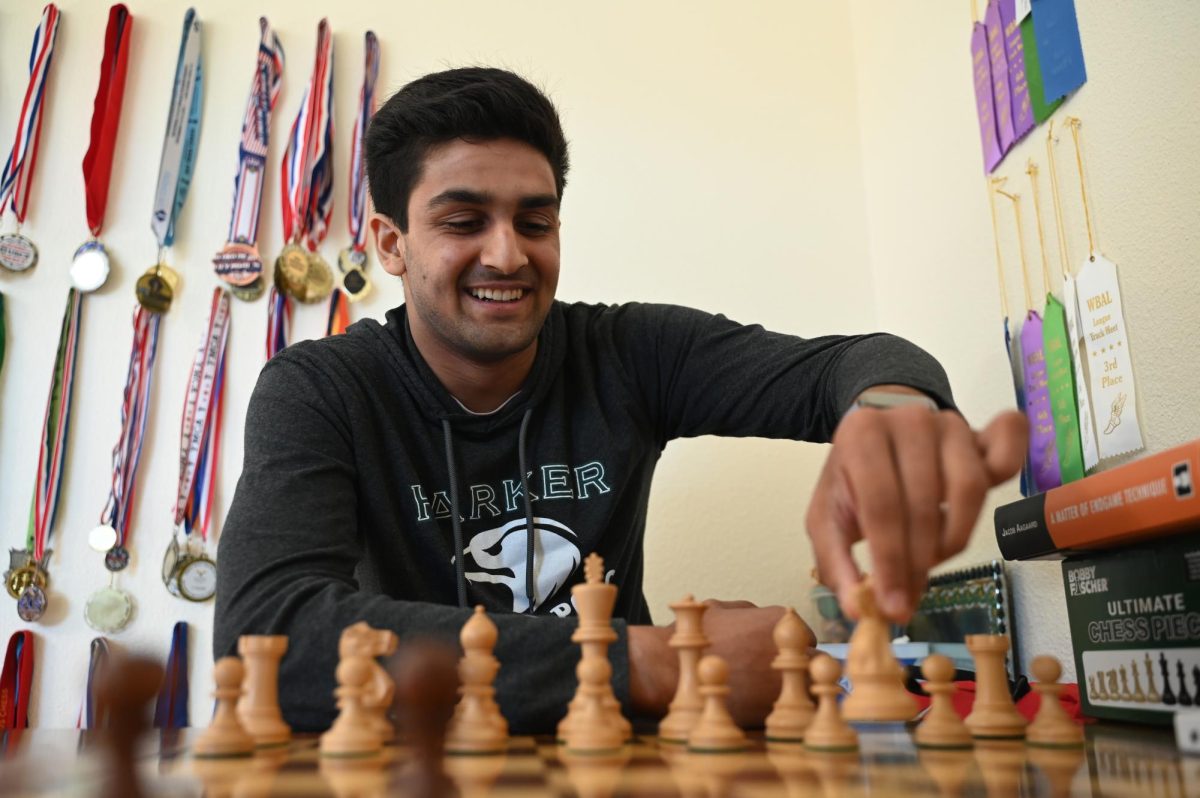







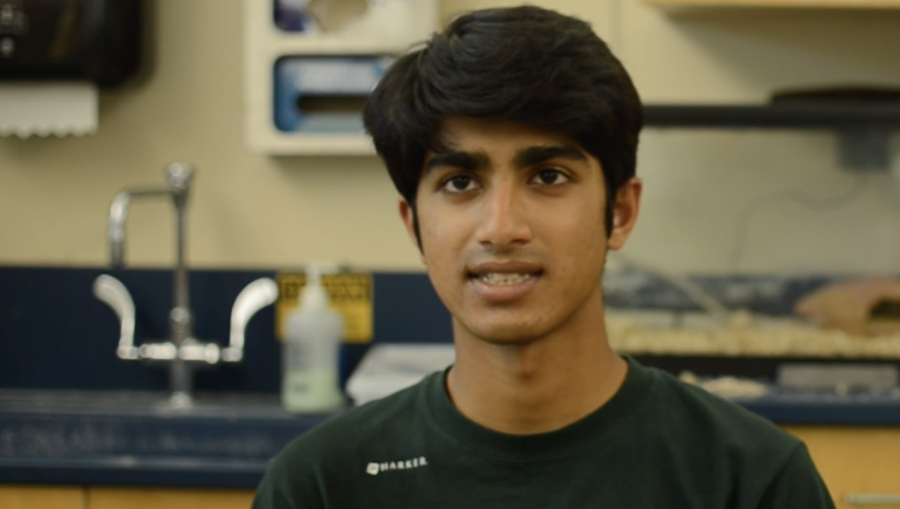
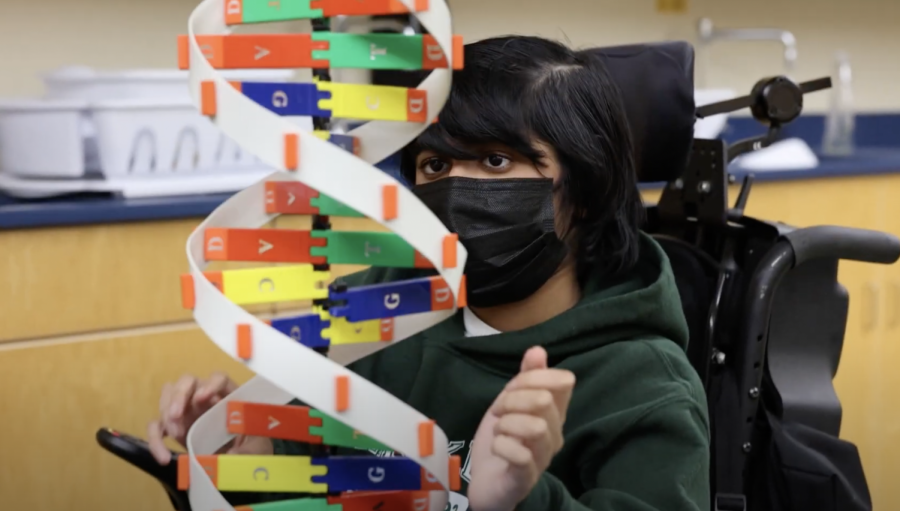
![“[Building nerf blasters] became this outlet of creativity for me that hasn't been matched by anything else. The process [of] making a build complete to your desire is such a painstakingly difficult process, but I've had to learn from [the skills needed from] soldering to proper painting. There's so many different options for everything, if you think about it, it exists. The best part is [that] if it doesn't exist, you can build it yourself," Ishaan Parate said.](https://harkeraquila.com/wp-content/uploads/2022/08/DSC_8149-900x604.jpg)
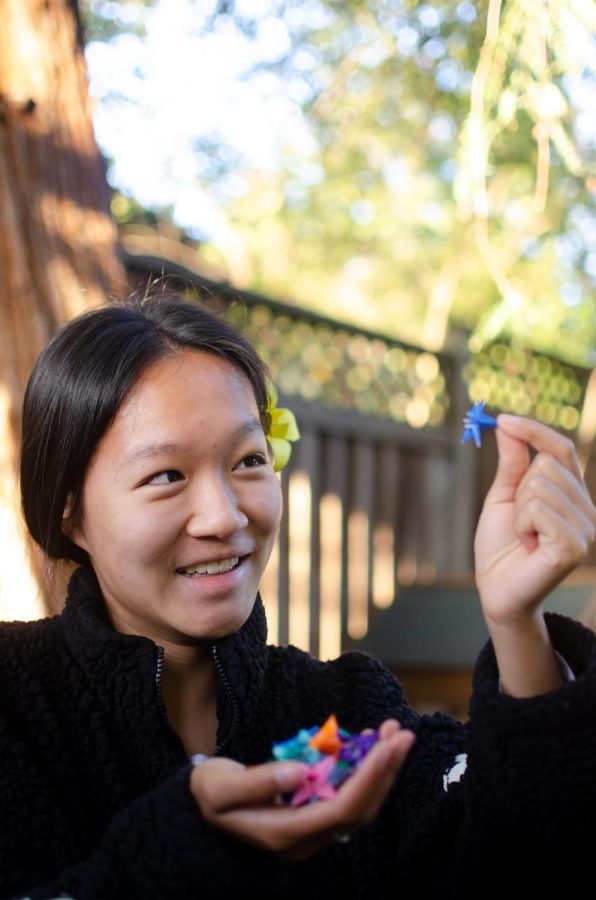
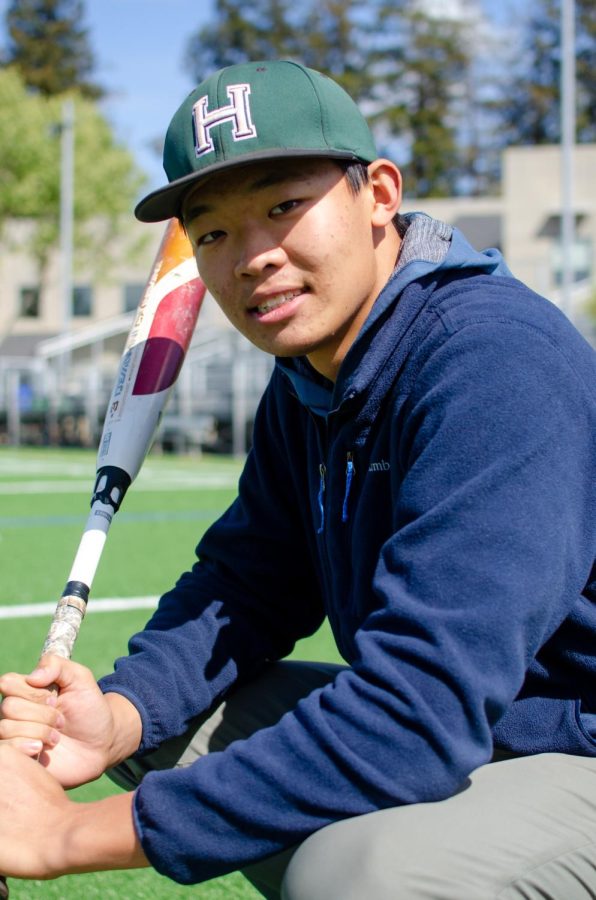

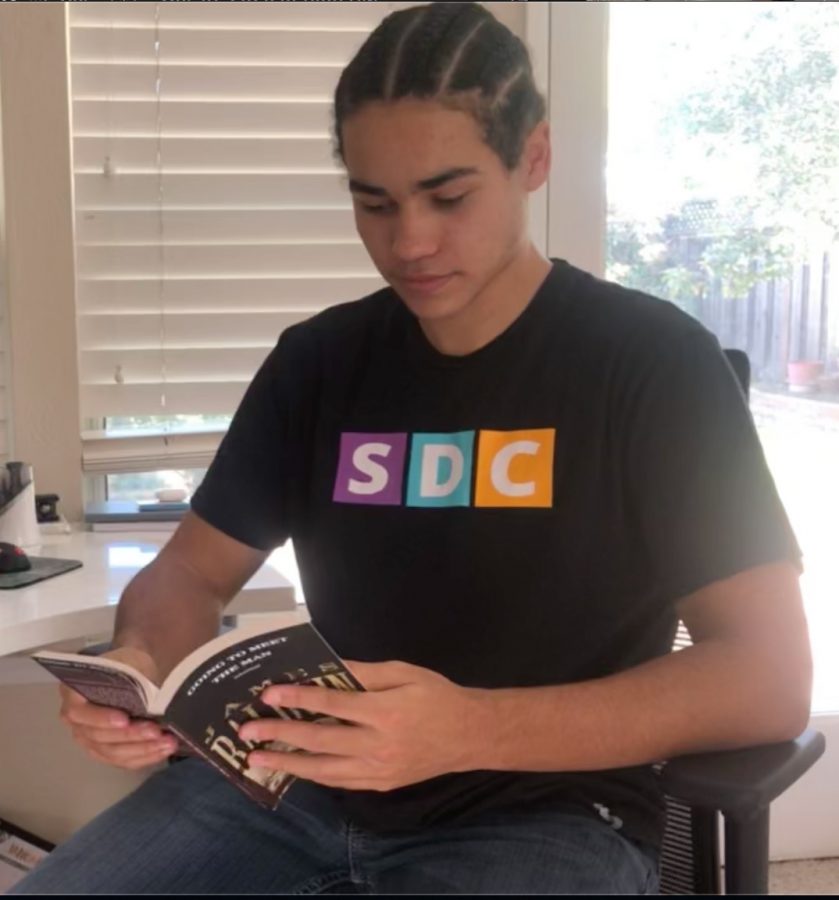
![“When I came into high school, I was ready to be a follower. But DECA was a game changer for me. It helped me overcome my fear of public speaking, and it's played such a major role in who I've become today. To be able to successfully lead a chapter of 150 students, an officer team and be one of the upperclassmen I once really admired is something I'm [really] proud of,” Anvitha Tummala ('21) said.](https://harkeraquila.com/wp-content/uploads/2021/07/Screen-Shot-2021-07-25-at-9.50.05-AM-900x594.png)

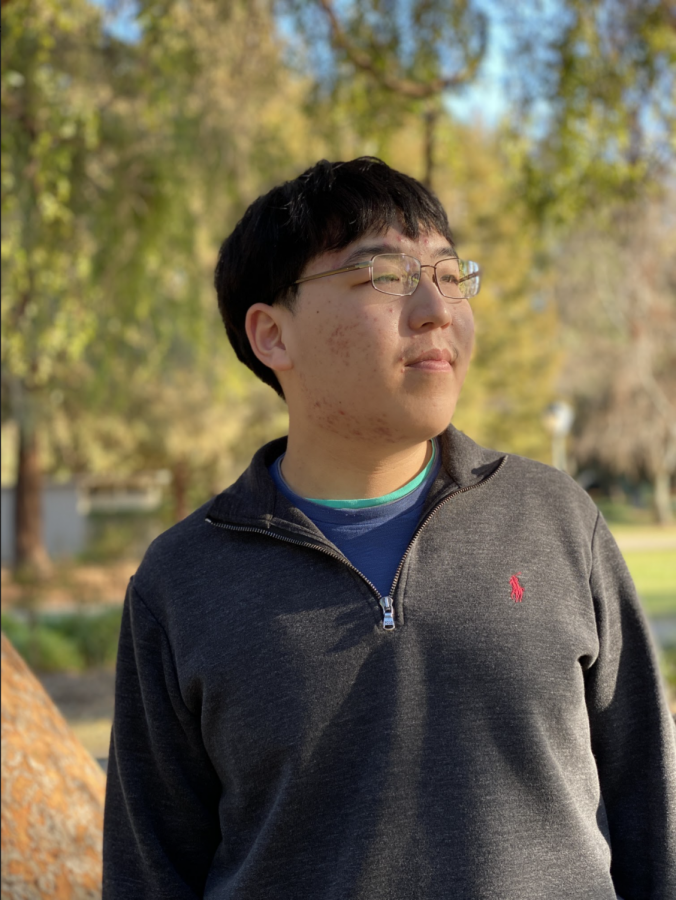

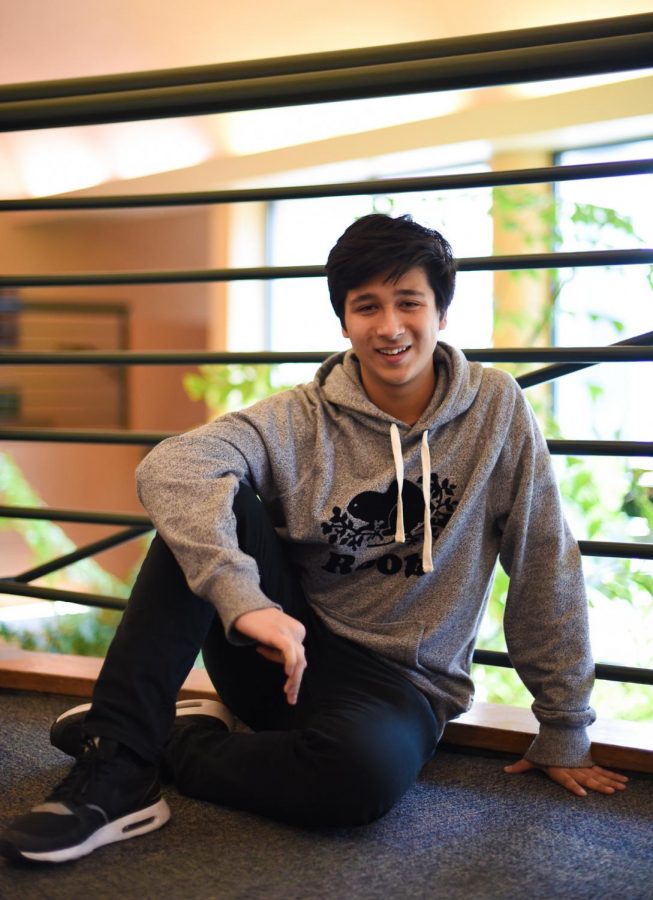
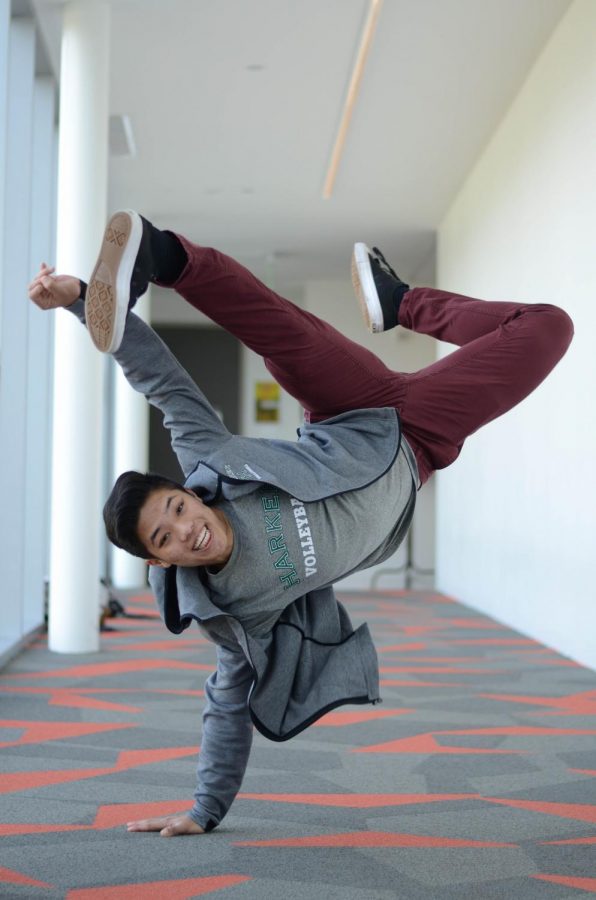
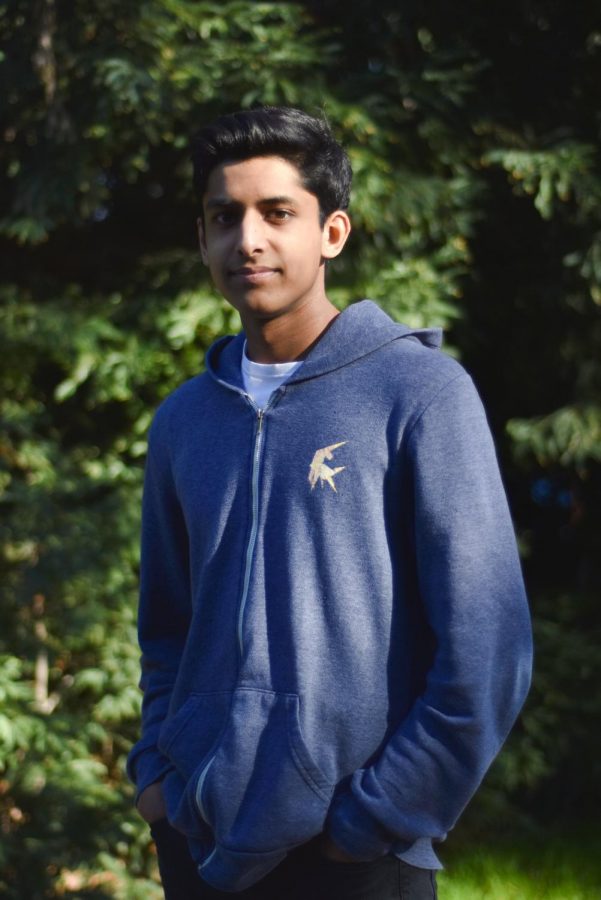

![“I think getting up in the morning and having a sense of purpose [is exciting]. I think without a certain amount of drive, life is kind of obsolete and mundane, and I think having that every single day is what makes each day unique and kind of makes life exciting,” Neymika Jain (12) said.](https://harkeraquila.com/wp-content/uploads/2017/06/Screen-Shot-2017-06-03-at-4.54.16-PM.png)
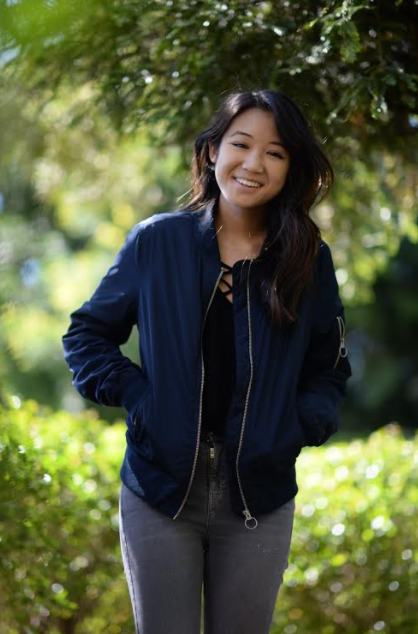
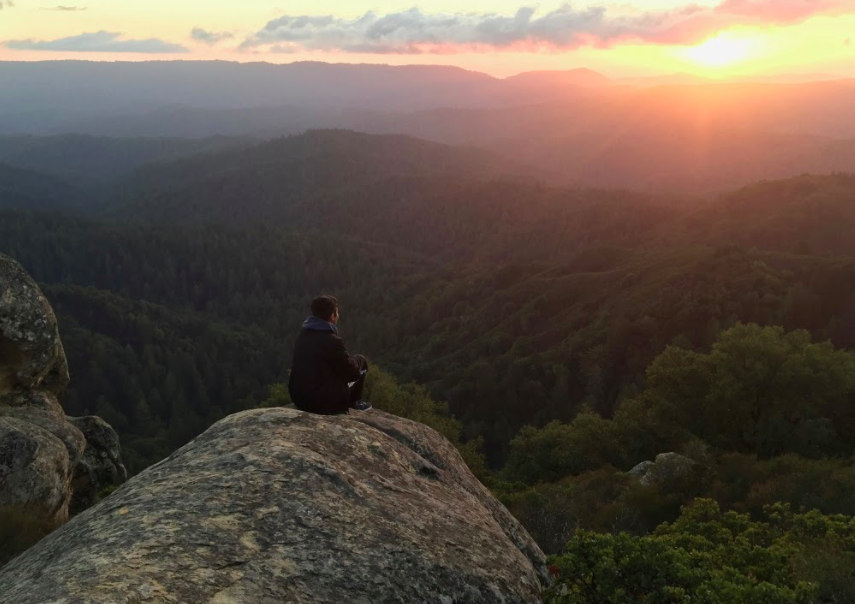
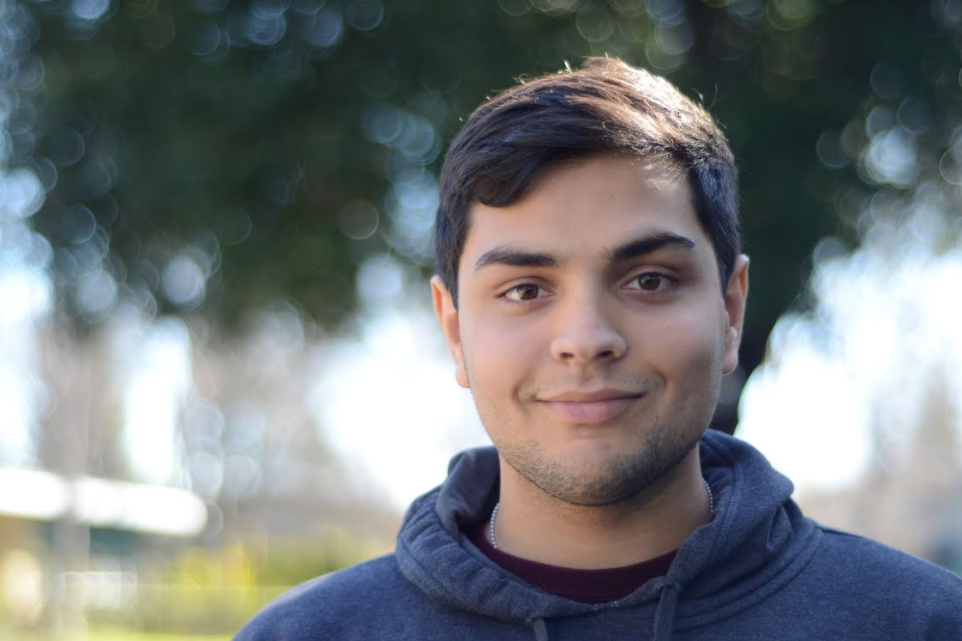


![“My slogan is ‘slow feet, don’t eat, and I’m hungry.’ You need to run fast to get where you are–you aren't going to get those championships if you aren't fast,” Angel Cervantes (12) said. “I want to do well in school on my tests and in track and win championships for my team. I live by that, [and] I can do that anywhere: in the classroom or on the field.”](https://harkeraquila.com/wp-content/uploads/2018/06/DSC5146-900x601.jpg)
![“[Volleyball has] taught me how to fall correctly, and another thing it taught is that you don’t have to be the best at something to be good at it. If you just hit the ball in a smart way, then it still scores points and you’re good at it. You could be a background player and still make a much bigger impact on the team than you would think,” Anya Gert (’20) said.](https://harkeraquila.com/wp-content/uploads/2020/06/AnnaGert_JinTuan_HoHPhotoEdited-600x900.jpeg)
![“I'm not nearly there yet, but [my confidence has] definitely been getting better since I was pretty shy and timid coming into Harker my freshman year. I know that there's a lot of people that are really confident in what they do, and I really admire them. Everyone's so driven and that has really pushed me to kind of try to find my own place in high school and be more confident,” Alyssa Huang (’20) said.](https://harkeraquila.com/wp-content/uploads/2020/06/AlyssaHuang_EmilyChen_HoHPhoto-900x749.jpeg)


#IStandWithAhmed, and so should Harker
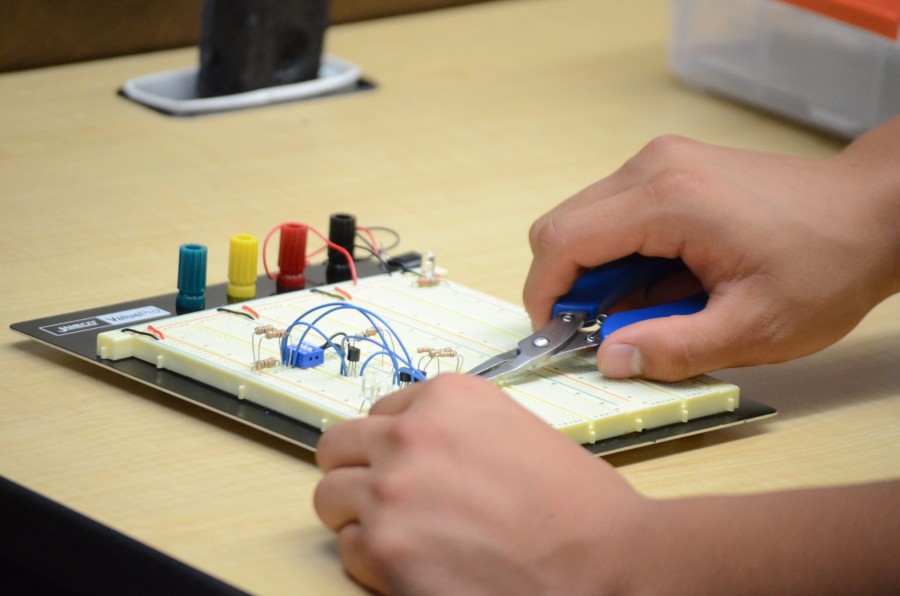
Alex Wang (10) wires up a breadboard in his computer architecture class. Ahmed’s plight has resonated with many similar “makers” around the world.
Nearly every day for four months last year, I carried a liter-sized plastic tub filled with electronic components around campus. Like my friends, I toted my crammed, bulky circuit board container from class to class, usually whipping out wire cutters and pliers in the library to complete computer science assignments.
My “nerd kit” allowed me to apply my ideas in the real world. And every time my project powered on and behaved exactly as I had planned, I always experienced immense satisfaction.
Forward to last month: Ahmed Mohamed, a Muslim-American high school student, was arrested and interrogated by the police on the charge of building a “hoax bomb,” which turned out to simply be a pencil case fitted with electronic components for a clock.
Eerie, I thought. Hadn’t I carried a box filled with circuits to school every day? I believed that handcuffs were reserved for people who broke the law, not for students who brought in gadgets to impress their teachers. Reading through the details of his arrest, I didn’t see a criminal or a wayward prankster. I saw a fellow tinkerer, creator and maker taken into custody because of a misunderstood engineering project – then came the outrage.
The circumstances behind Ahmed’s arrest reveal bias. Ahmed’s father claimed in a CNN interview that his son was labeled as a “bombmaker” by his friends after the incident. Ahmed alleges that officers repeatedly asked him whether he had tried to make a bomb during the interrogation, referencing his last name more than once. Yet the police found no evidence that Ahmed intended to cause alarm with his device, nor did the administration proceed with the standard school evacuation in the presence of the “threat.”
These reactions from the police, the school community and Ahmed’s detractors suggest that Ahmed’s name and religion were grounds enough for suspicion about his motives. The only victim of the device was Ahmed himself, who, despite his curiosity, was punished and publicly discriminated against for his cultural background.
According to the National Math and Science Initiative (NMSI), only 36 percent of high school graduates in the United States are prepared for college-level science courses. When our country lags far behind others in STEM-related subjects, school administrators need to encourage curious minds, not haul them off to prison.
A young tinkerer should not have to carry the burden of rigorously proving that his pet project, crafted through hours of hard work, is not a terrorist gadget or an explosive device.
I stand with Ahmed.
This piece was originally published in the pages of the Winged Post on Oct. 16, 2015.
Vivek Bharadwaj (12) is the co-Editor-In-Chief for the Winged Post. His favorite subject in school is computer science, and he enjoys swimming and watching...
Alex Wang (12) is the opinion editor for Harker Aquila in his fourth year on staff. He was previously sports editor in his junior year. His favorite part...