

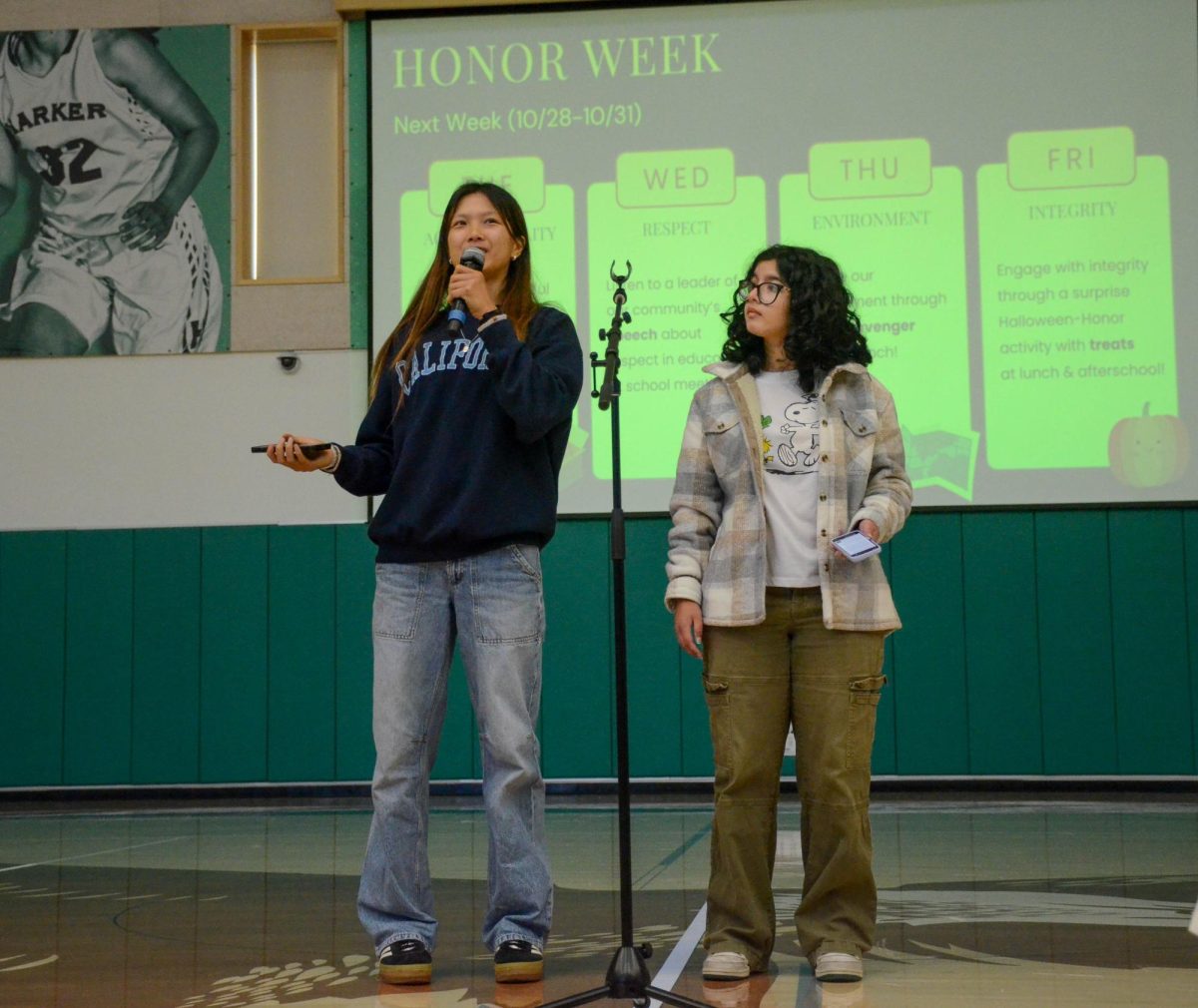
![LALC Vice President of External Affairs Raeanne Li (11) explains the International Phonetic Alphabet to attendees. "We decided to have more fun topics this year instead of just talking about the same things every year so our older members can also [enjoy],” Raeanne said.](https://harkeraquila.com/wp-content/uploads/2025/10/DSC_4627-1200x795.jpg)
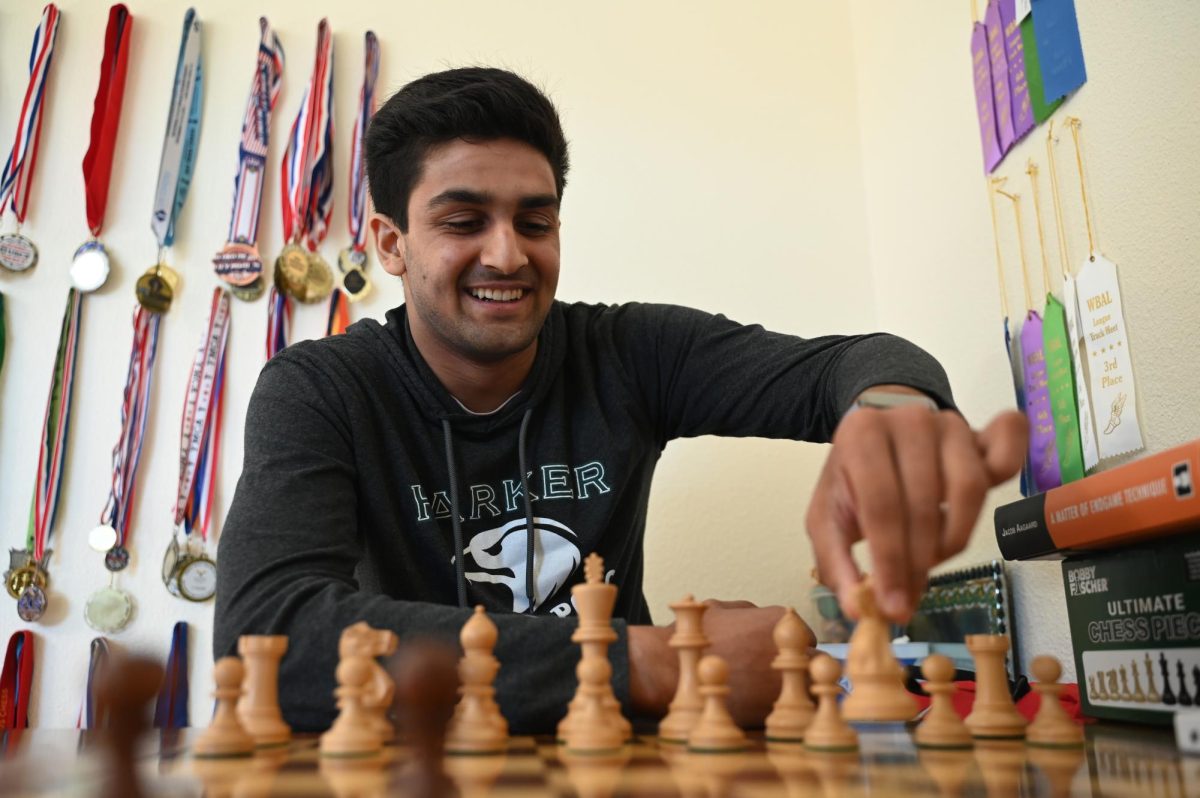






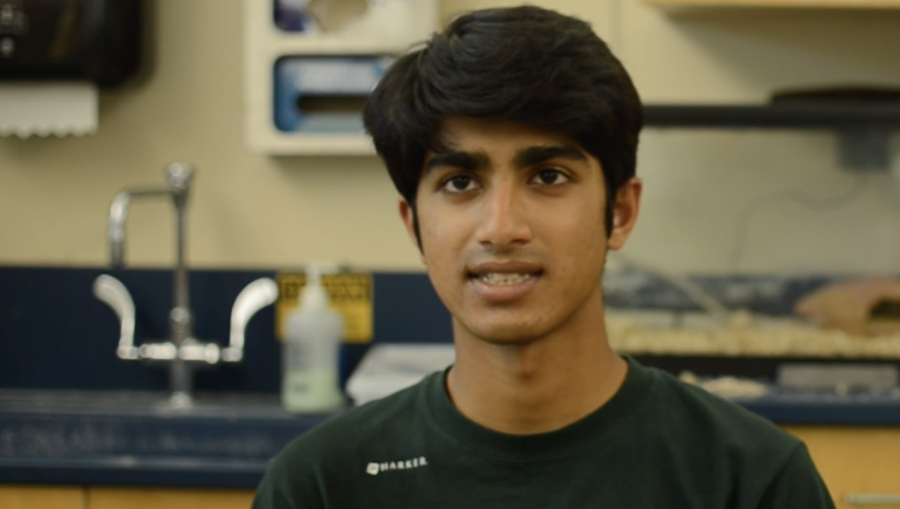
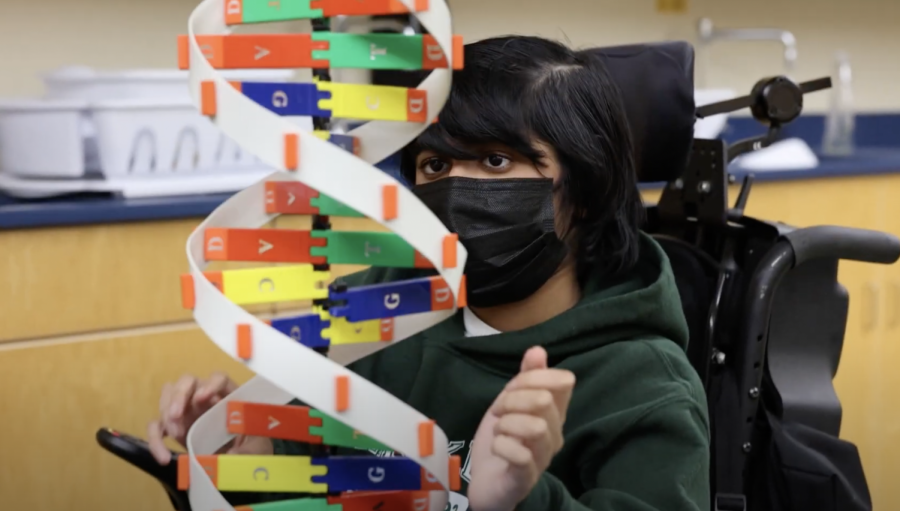
![“[Building nerf blasters] became this outlet of creativity for me that hasn't been matched by anything else. The process [of] making a build complete to your desire is such a painstakingly difficult process, but I've had to learn from [the skills needed from] soldering to proper painting. There's so many different options for everything, if you think about it, it exists. The best part is [that] if it doesn't exist, you can build it yourself," Ishaan Parate said.](https://harkeraquila.com/wp-content/uploads/2022/08/DSC_8149-900x604.jpg)
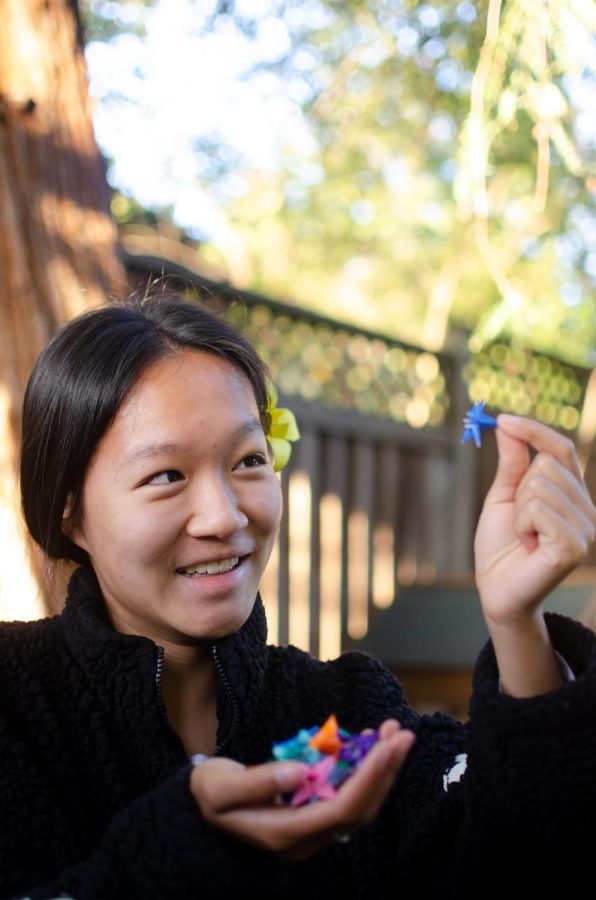
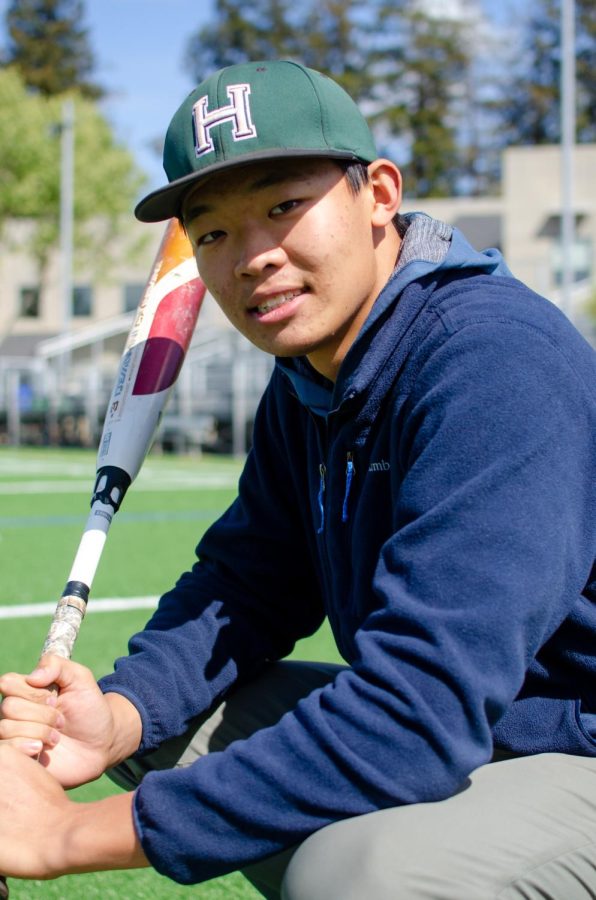

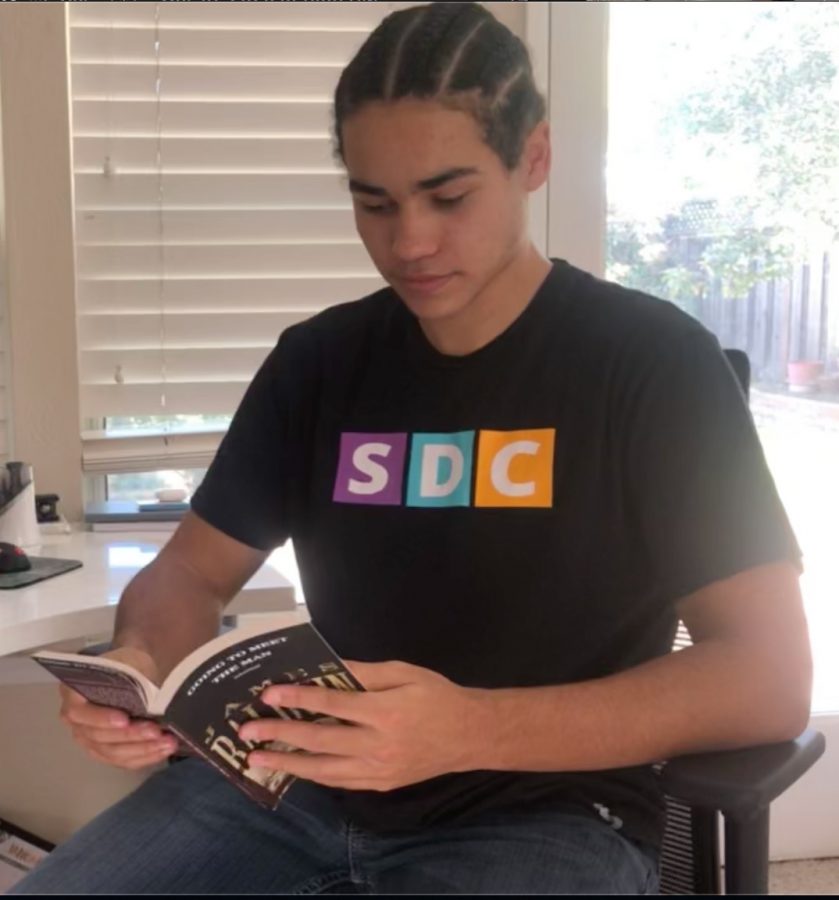
![“When I came into high school, I was ready to be a follower. But DECA was a game changer for me. It helped me overcome my fear of public speaking, and it's played such a major role in who I've become today. To be able to successfully lead a chapter of 150 students, an officer team and be one of the upperclassmen I once really admired is something I'm [really] proud of,” Anvitha Tummala ('21) said.](https://harkeraquila.com/wp-content/uploads/2021/07/Screen-Shot-2021-07-25-at-9.50.05-AM-900x594.png)

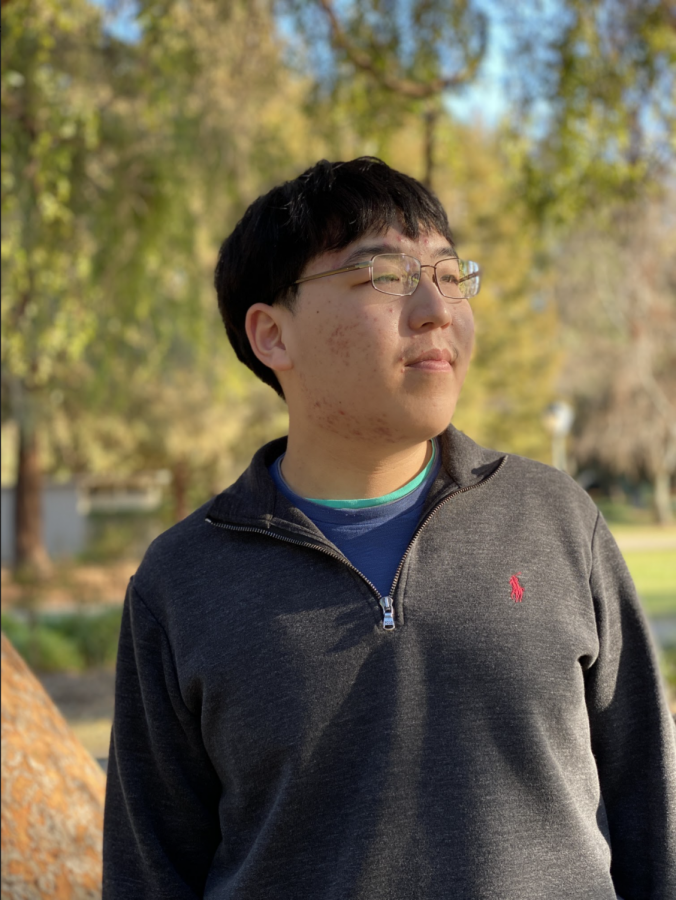

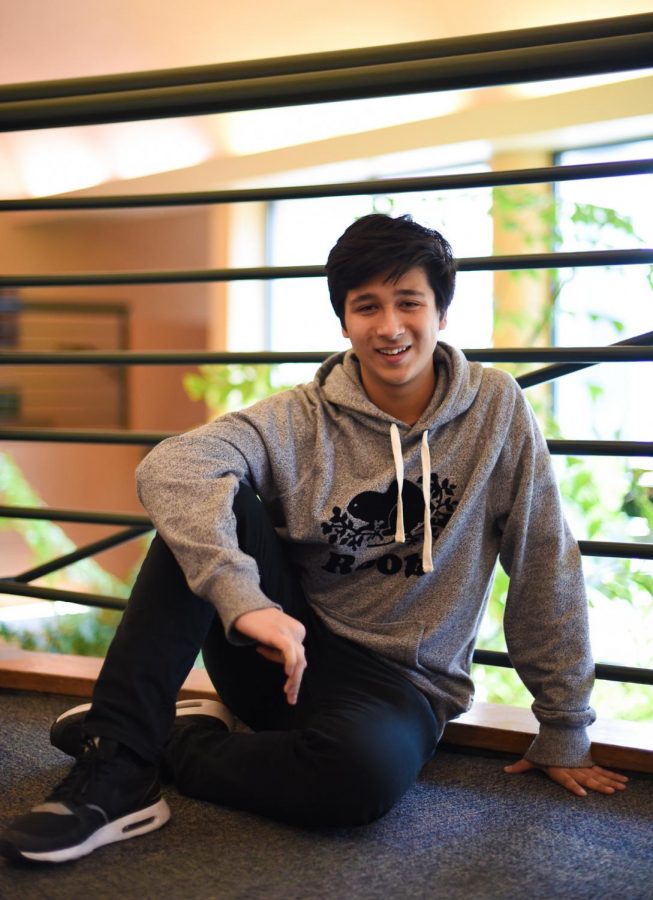
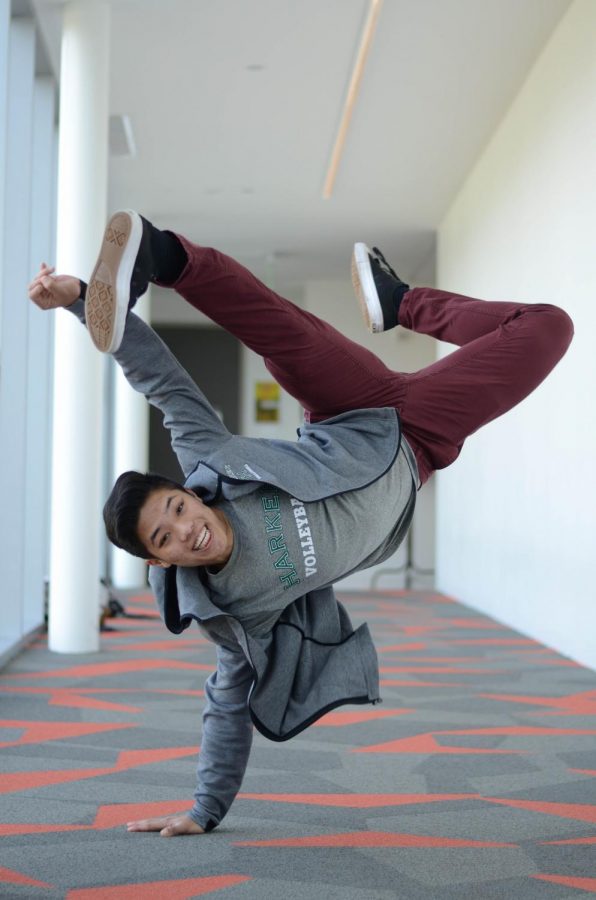
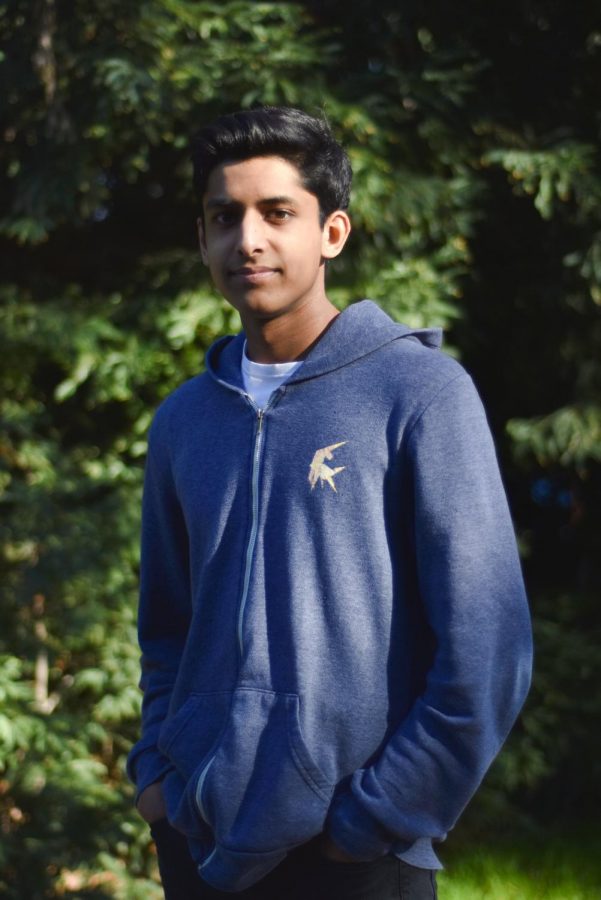

![“I think getting up in the morning and having a sense of purpose [is exciting]. I think without a certain amount of drive, life is kind of obsolete and mundane, and I think having that every single day is what makes each day unique and kind of makes life exciting,” Neymika Jain (12) said.](https://harkeraquila.com/wp-content/uploads/2017/06/Screen-Shot-2017-06-03-at-4.54.16-PM.png)

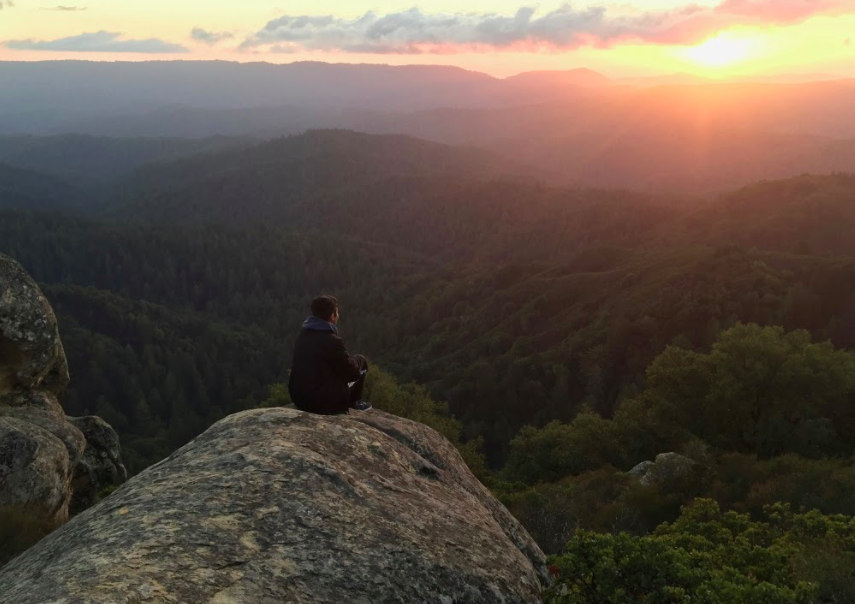
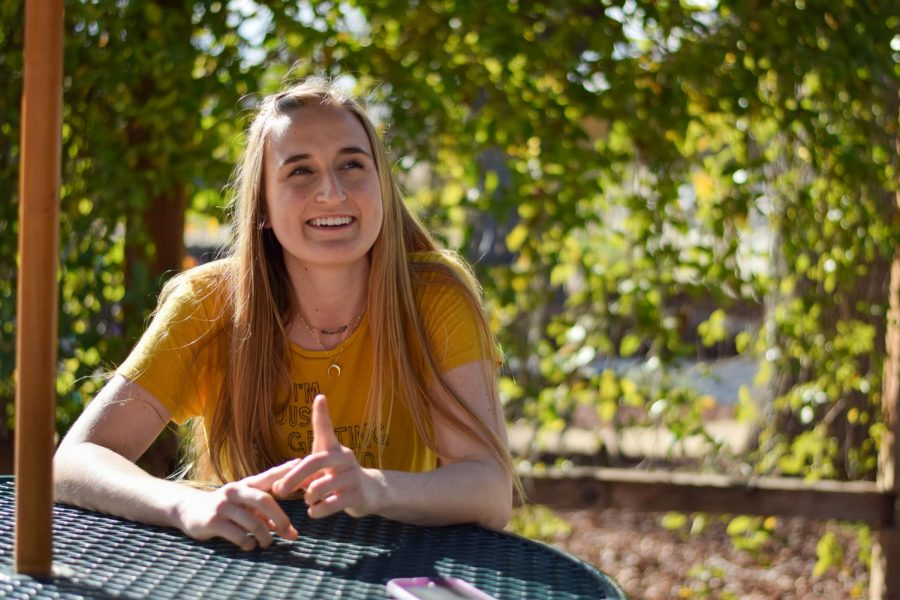

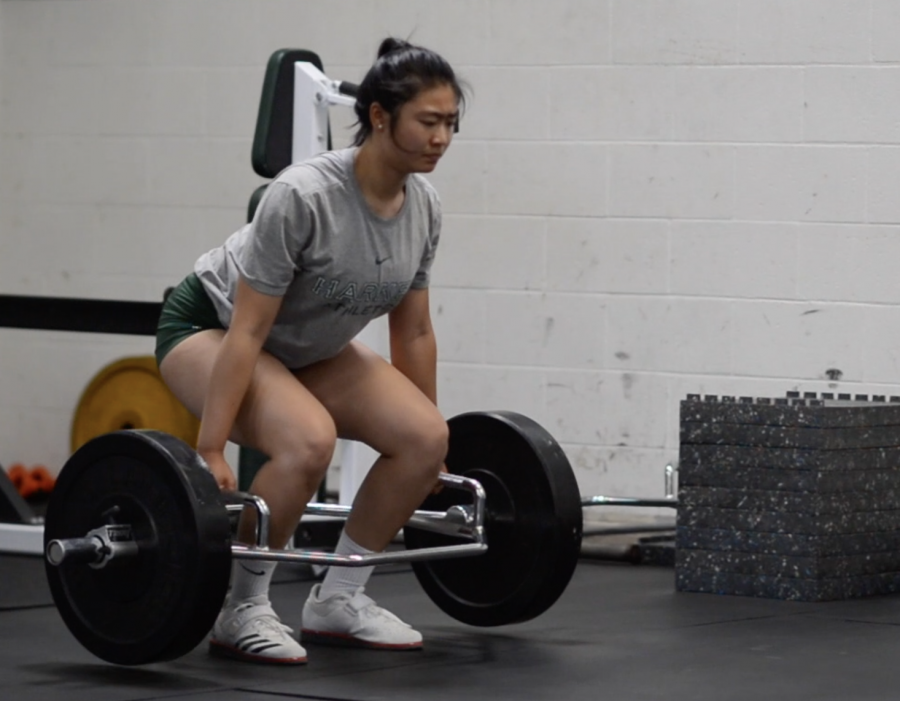

![“My slogan is ‘slow feet, don’t eat, and I’m hungry.’ You need to run fast to get where you are–you aren't going to get those championships if you aren't fast,” Angel Cervantes (12) said. “I want to do well in school on my tests and in track and win championships for my team. I live by that, [and] I can do that anywhere: in the classroom or on the field.”](https://harkeraquila.com/wp-content/uploads/2018/06/DSC5146-900x601.jpg)
![“[Volleyball has] taught me how to fall correctly, and another thing it taught is that you don’t have to be the best at something to be good at it. If you just hit the ball in a smart way, then it still scores points and you’re good at it. You could be a background player and still make a much bigger impact on the team than you would think,” Anya Gert (’20) said.](https://harkeraquila.com/wp-content/uploads/2020/06/AnnaGert_JinTuan_HoHPhotoEdited-600x900.jpeg)
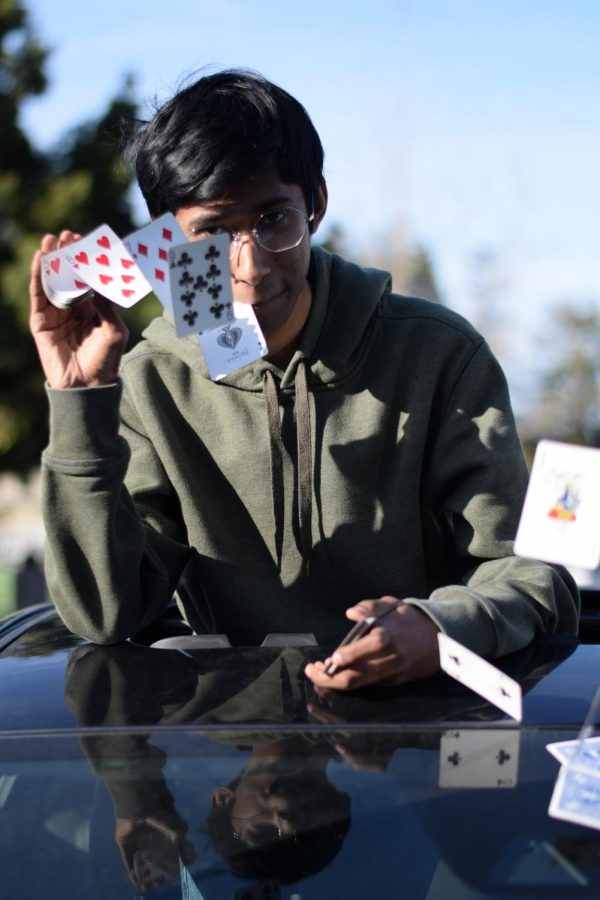
![“I'm not nearly there yet, but [my confidence has] definitely been getting better since I was pretty shy and timid coming into Harker my freshman year. I know that there's a lot of people that are really confident in what they do, and I really admire them. Everyone's so driven and that has really pushed me to kind of try to find my own place in high school and be more confident,” Alyssa Huang (’20) said.](https://harkeraquila.com/wp-content/uploads/2020/06/AlyssaHuang_EmilyChen_HoHPhoto-900x749.jpeg)


Do unto others: Healing friendships through empathy
Creative Commons
We’ve all heard the adage, “Do unto others as you would do to yourself.” Well I’m here to postulate that, we are making a mistake when we treat others as we would prefer.
Recently, I had some issues with a friend of mine. We stayed close due to mutual friends, but it seemed like we were always just getting on each others nerves.
One of the more cogent examples of our disconnect was demonstrated in the way we approached criticism. She would often say things that I thought were insensitive. Sometimes, she would provide unsolicited comments about my outfits or my actions, which I found hurtful. At the same time, I always got the feeling that she perceived me as a little clingy. When she asked me for honest feedback about what she was doing, I was more likely to tell her that everything was fine. In my mind, I was being a supportive friend by boosting her self-esteem, but she told me that I was being dishonest.
“I don’t understand,” I complained to one of our mutual friends. “I’m working so hard to be a good friend!”
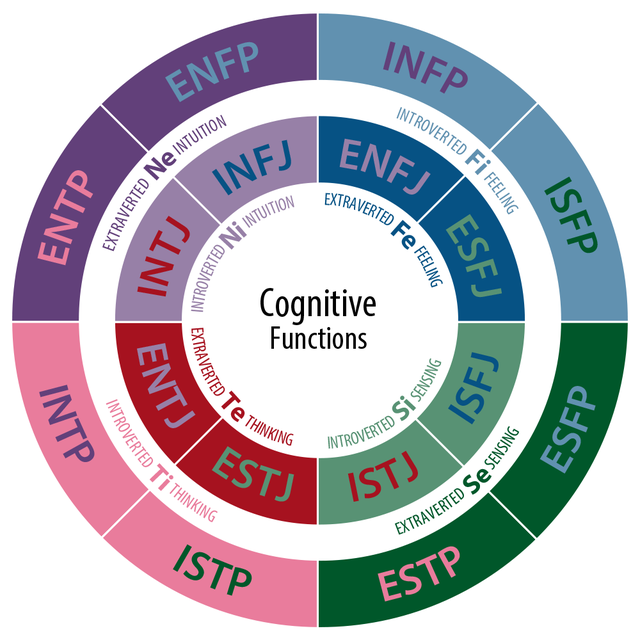
Given enough time, our friendship would have dissolved, had it not been for one thing: the Myers Briggs personality test. The test not only launched my strange obsession with personality tests, but helped me understand what was going wrong in our relationship.
On the personality profile for her type, the ENTJ, it read that she “needs to consciously work on recognizing the value of being sensitive towards other’s feelings.”At the same time, my personality profile, the ENFJ, stated that I could be “extremely sensitive to criticism.” All it took was one personality test, and I immediately understood why I wasn’t clicking with the girl who’d been an enigma to me for years.
Just like that, our problems were solved. When I needed intense emotional support, I went to someone else, and she stopped expecting me to give her straight criticism. At the same time, I worked harder to remember that she gave me feedback out of love.
The problems in our friendship stemmed, not from a lack of effort on either side, but from a fundamental misunderstanding between us. It wasn’t that either of us were bad friends, we just had different definitions of what what being a good friend meant.
I’m not trying say that the Myers Briggs test will solve every problem. The Myers Briggs personality test is not infallible or even accurate for everyone. Even though it is not perfect, the test is still helpful in that it provides at least some degree of insight into others.
I am also not trying to say that the saying, “do unto others…” is completely invalid. Its core tenant, which I interpret to be, “don’t expect others to be nice to you if you aren’t nice to them,” is still a good rule to live by.
The problem with most interpretations of the saying is that they assume that all people think alike and have the same needs. If my friend and I had continued to treat each other as we wanted to be treated, our friendship would have fallen apart. In order to make meaningful connections with other people, we need to understand that they think differently than we do.
As humans, we are exposed to an incredible diversity of personality types and value systems. Just because we think differently than someone else doesn’t mean we can’t be friends. In fact, some of my most fulfilling relationships have been with people whose mode of thought expanded my worldview. But in order for these relationships to work, we can’t hold others to the same standard that we hold ourselves. We need to make an effort to understand others in order to comprehend what they need from us. Only then can we truly do unto others as they would do unto themselves.

Meilan Steimle (12) is co-Editor-in-Chief of the Winged Post. She was a reporter her freshman year, Winged Post Opinion Editor her sophomore year and Winged...