

Perspectives: Impacts of social media on building relationships


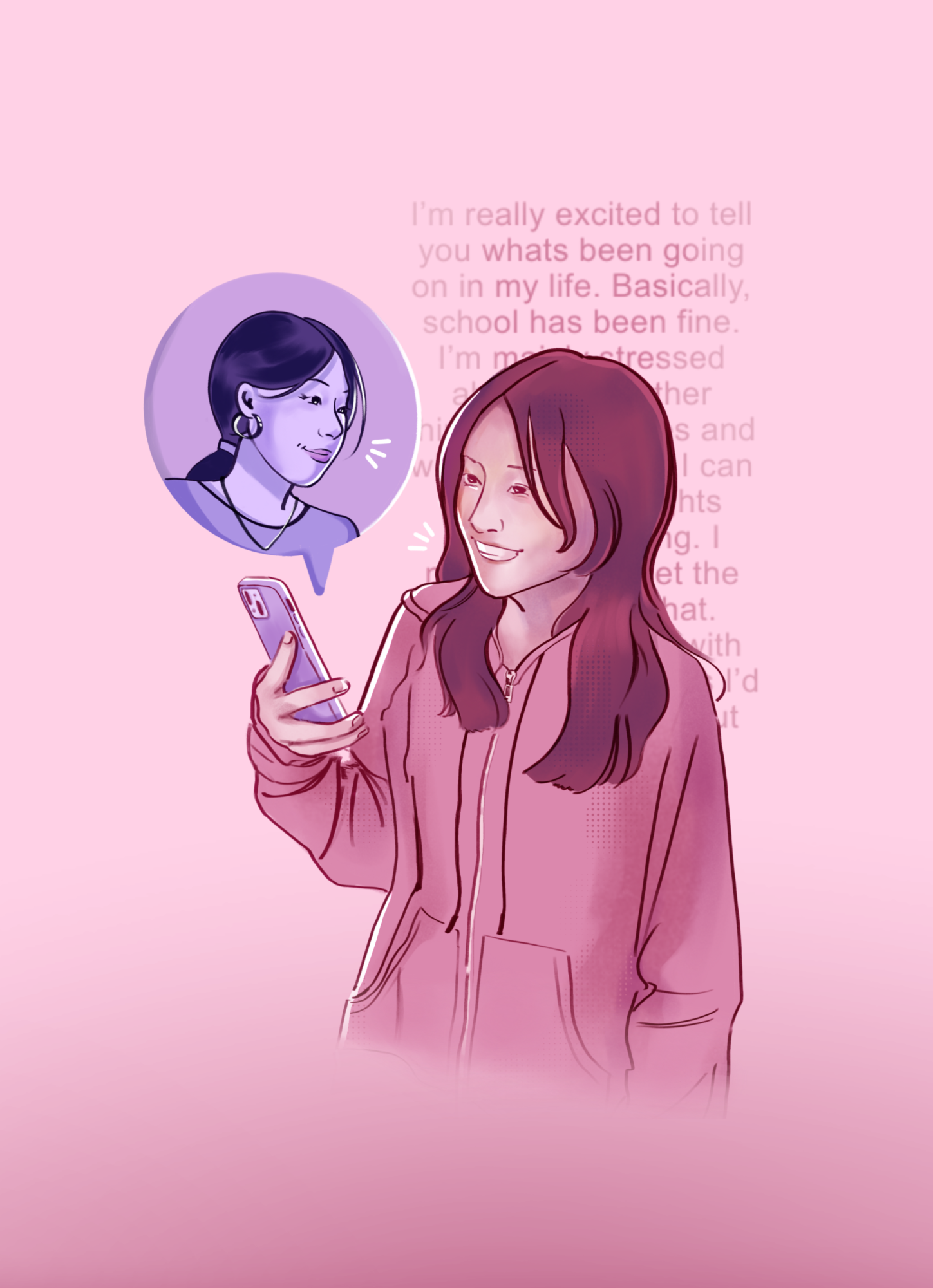
In middle school, a classmate was convinced her friend and I would hit it off, constantly nudging me to reach out on Instagram. At the time, I didn’t think much of it, but I eventually decided to send the first message just to see what would happen. What started as a skeptical “hello” quickly evolved into regular conversations and shared jokes, forming a friendship that proved my initial hesitation completely wrong.
My experience reflects a larger shift in how a community can be built. With platforms like Discord and Reddit already connecting people through their niche interests and shared identities, the rise of apps like Instagram, TikTok, and Snapchat have further redefined modern interaction to become a powerful tool for improving human connection.
Social media serves as the essential glue for long-distance relationships when physical meetings are impossible. After moving to San Jose, I initially lost touch with my closest friends, a gap traditional messaging couldn’t bridge, as I didn’t have their contact information. However, a simple search on Instagram allowed me to instantly reconnect with them. Through this reconnection, I found that while texting is functional, it often feels strained and limited to formal exchanges; social media removes this friction. Because stories and posts offer a constant stream of updates, they provide effortless conversation starters that eliminate the awkwardness of reaching out after a long silence. This creates a shared environment where I can remain an active participant in my friends’ lives rather than a mere occasional contact.
Furthermore, social media is incredibly useful for those who struggle with traditional face-to-face interactions. For introverted individuals or people with social anxiety, the ability to initiate conversations, make new friends and participate in social groups with just a few carefully composed texts significantly reduces the high-pressure element of socializing in person.
The nature of text-based exchange also allows users to draft, edit and review their responses, removing the panic of instant replies and helping build essential social confidence. The positive feedback from successful online conversations can reduce fear and eventually help transition to less anxiety-inducing in-person meetings, bridging the gap between digital and physical connection.
As our world becomes increasingly digital, social media serves as an important platform for social networks. By removing barriers of geographic distance, easing the pressure of face-to-face interaction, and bridging the gap between niche interests and community, it reduces the feeling of isolation, and ensures that the opportunity for meaningful human connection remains constant and accessible.
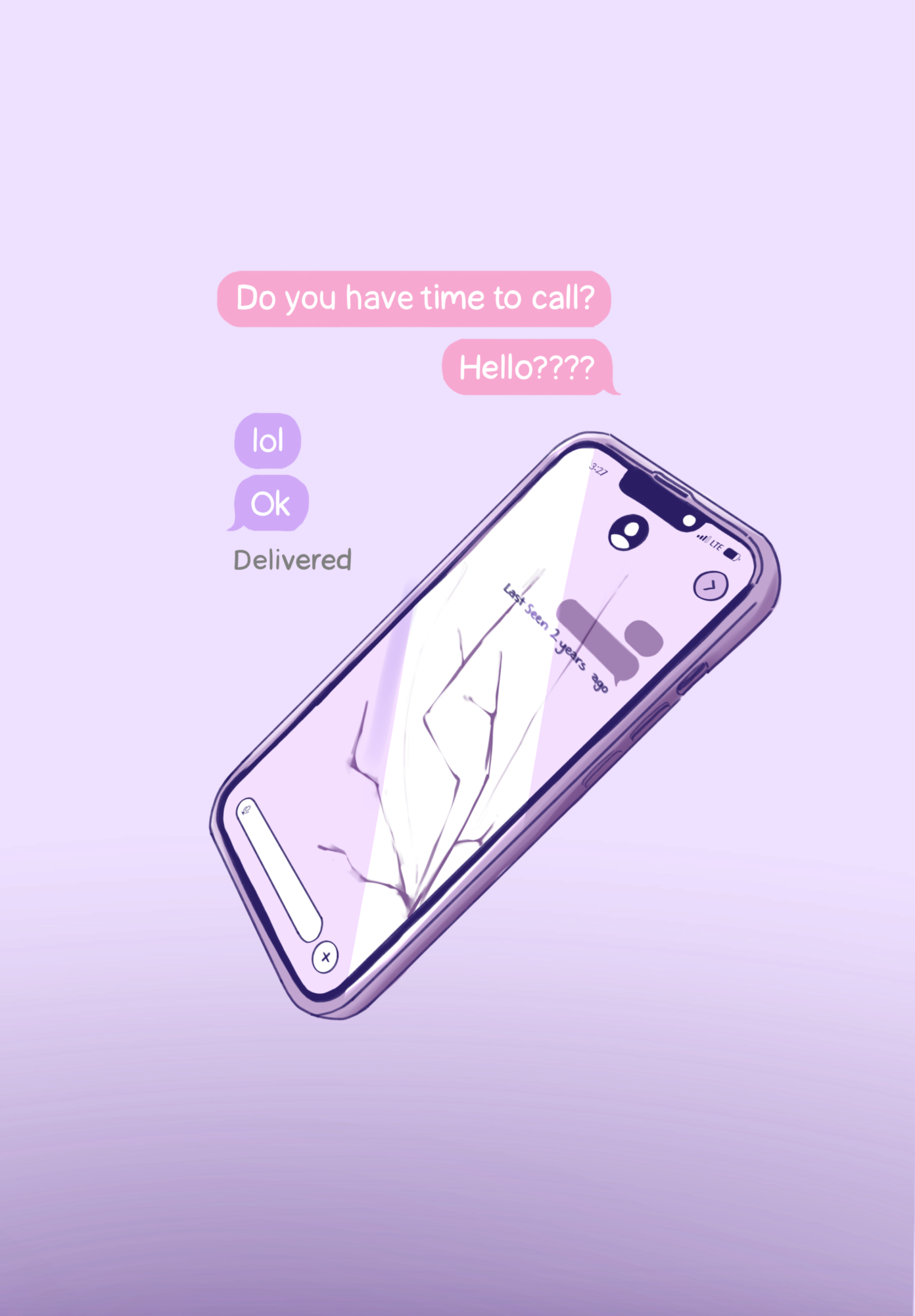
Have you ever opened social media feeling fine, only to close the app feeling lonely or misunderstood? I have, and that is why I believe that relying on social media as the main way to communicate with existing friends can do more harm than good.
Social media is often seen as the easiest way to stay in touch with friends, but when it replaces spending time together in person, it can weaken friendships. Apps like Instagram, Snapchat and iMessages make it easy to communicate, but the conversations on those platforms are often short and surface-level. Many people send mostly memes, reels or quick replies instead of having real conversations. While this may feel fun at first, it does not help friendships grow deeper over time.
I have experienced this myself in a friendship that was mostly online. At first, we talked every day, but we rarely spent time together in person. Our conversations became repetitive and did not go very deep. For example, instead of having real conversations, we would just send reels or quick reactions like “lol” or “same,” which didn’t help us understand each other any better. Without shared experiences, the friendship slowly faded. This showed me that texting alone is not enough to build a strong connection.
Another problem with relying on online communication is that it can hurt real-life social skills. When people talk face-to-face, they can see facial expressions and body language and hear the tone of voice. These things help people understand each other better. When friendships exist primarily online, people don’t practice these skills. As a result, they may struggle with in-person communication.
Miscommunication is also common through texting and social media because it is hard to convey tone through words alone, so jokes or sarcasm can easily be misinterpreted. While direct interactions rely on tone and body language to convey intent, digital messages are stripped of these cues, making a short text seem rude or hostile when it was not meant that way. In person, people can quickly explain what they mean, but online, small misunderstandings can grow into bigger problems as friends withdraw instead of asking for clarification. This can create unnecessary tension between friends who normally get along well.
In addition, social media can make conversations feel less real. Many people are careful about what they say online because posts and messages can be saved or shared. Even when talking to friends, people may stick to safe responses instead of being honest. This can make friendships feel distant and less trusting.
My closest friendships are with people I spend time with in person, such as friends I talk to at school or hang out with outside of class. These moments help build trust and understanding in a way that online communication cannot fully replace.