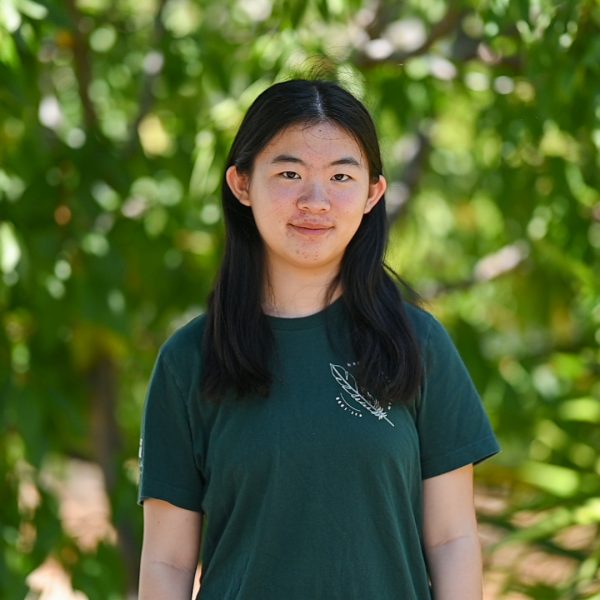
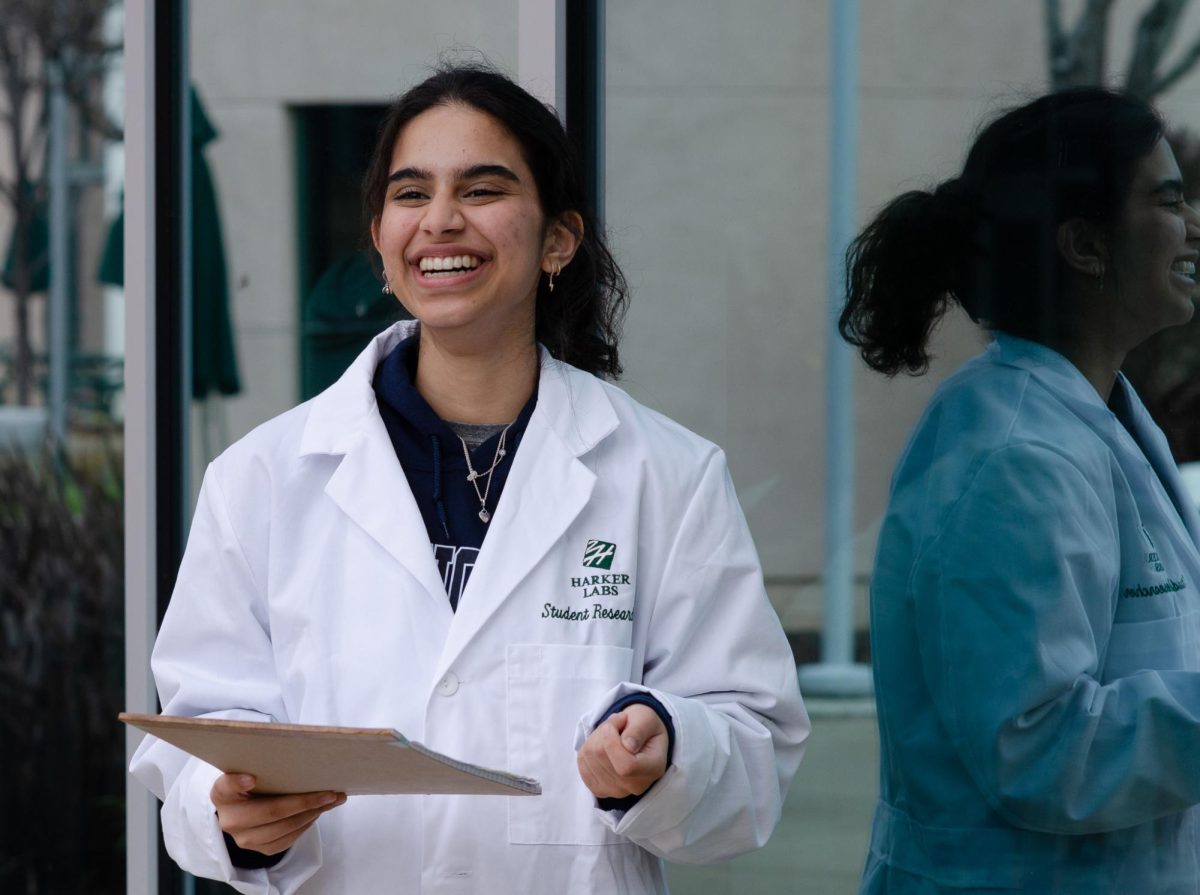
![“I wasn't discouraged by some of the obstacles we faced. I learned a lot from the leadership. I found that different people need different ways of receiving feedback — you can't [just] tell them to do something and expect the best. [Some] people needed more incentive. A large part of my role was to figure out what worked for everyone and to figure out how to lead all these separate individuals as a team,” Suhana Bhandare (’26) said.](https://harkeraquila.com/wp-content/uploads/2026/06/SuhanaBhandare_JasmineHansra-1-1200x798.jpg)
![“This is actually from Randy Pausch Randy P. Brick: ‘Walls are there for a reason. You have to show how much you want to overcome them.’ You have to show how much you want something. That's what I've always been able to do with tennis, Link Crew and getting that internship [with Kushy Baby]. It’s important pushing through that — getting around that brick wall, climbing over it or clawing through it,” Yash Sachdeva (’26) said.](https://harkeraquila.com/wp-content/uploads/2026/05/YashSachdeva_RamBatchu-copy-1200x1002.jpg)




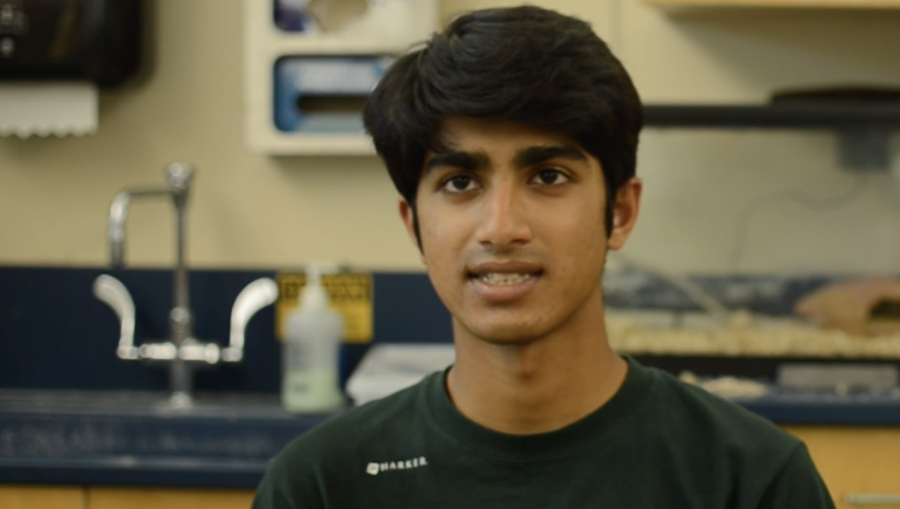
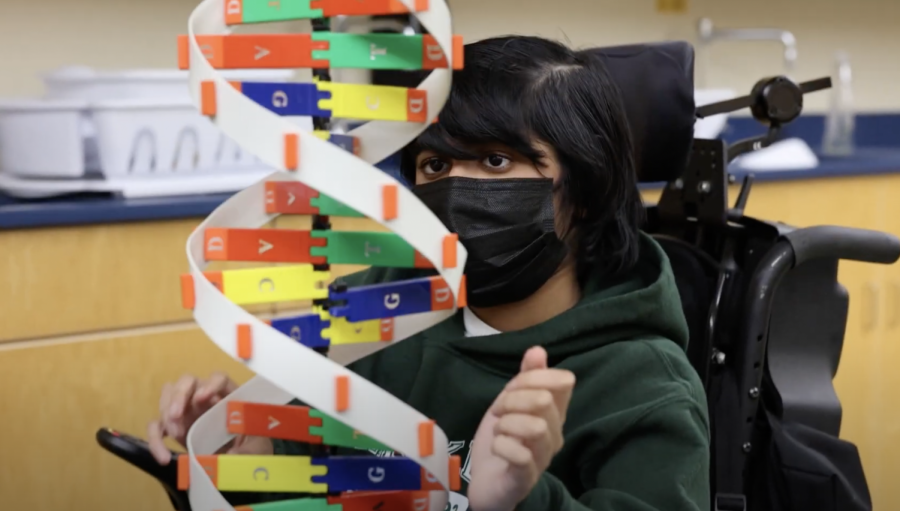
![“[Building nerf blasters] became this outlet of creativity for me that hasn't been matched by anything else. The process [of] making a build complete to your desire is such a painstakingly difficult process, but I've had to learn from [the skills needed from] soldering to proper painting. There's so many different options for everything, if you think about it, it exists. The best part is [that] if it doesn't exist, you can build it yourself," Ishaan Parate said.](https://harkeraquila.com/wp-content/uploads/2022/08/DSC_8149-900x604.jpg)
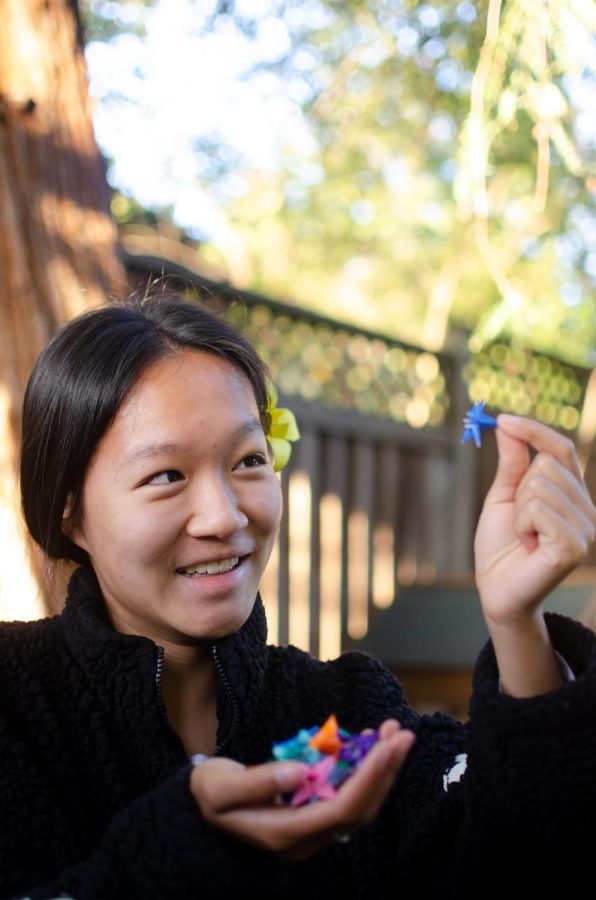
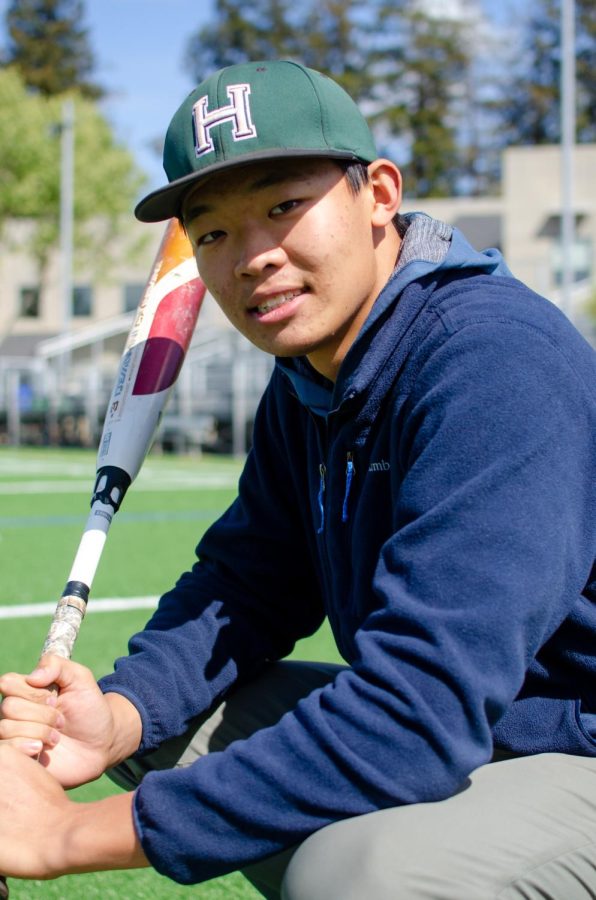
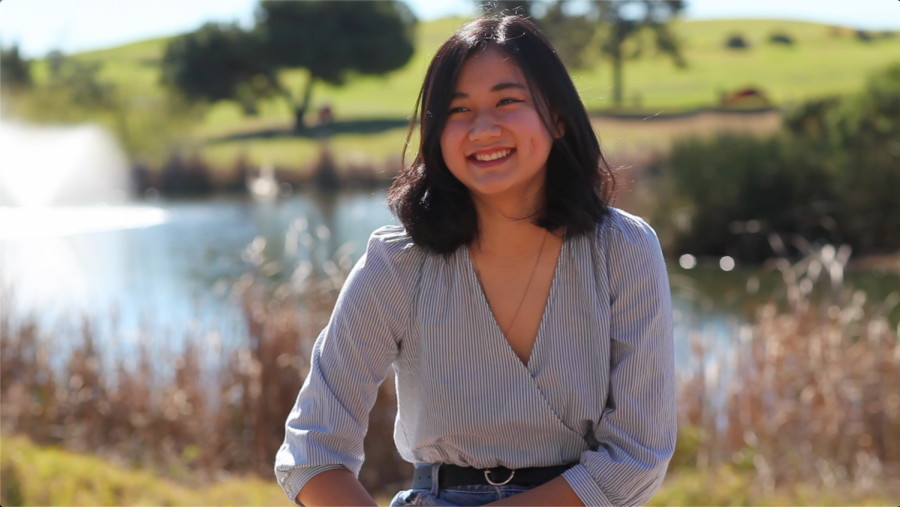
![“When I came into high school, I was ready to be a follower. But DECA was a game changer for me. It helped me overcome my fear of public speaking, and it's played such a major role in who I've become today. To be able to successfully lead a chapter of 150 students, an officer team and be one of the upperclassmen I once really admired is something I'm [really] proud of,” Anvitha Tummala ('21) said.](https://harkeraquila.com/wp-content/uploads/2021/07/Screen-Shot-2021-07-25-at-9.50.05-AM-900x594.png)
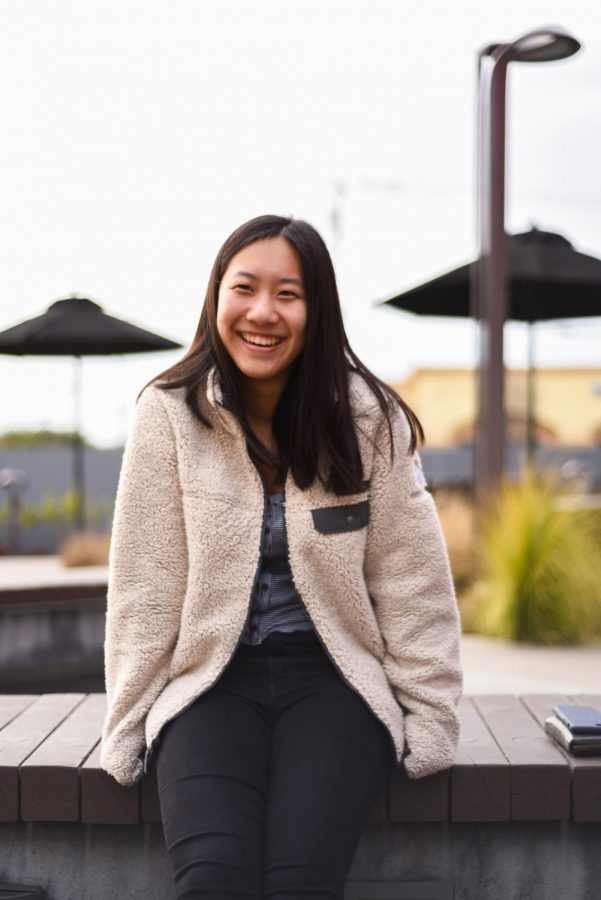
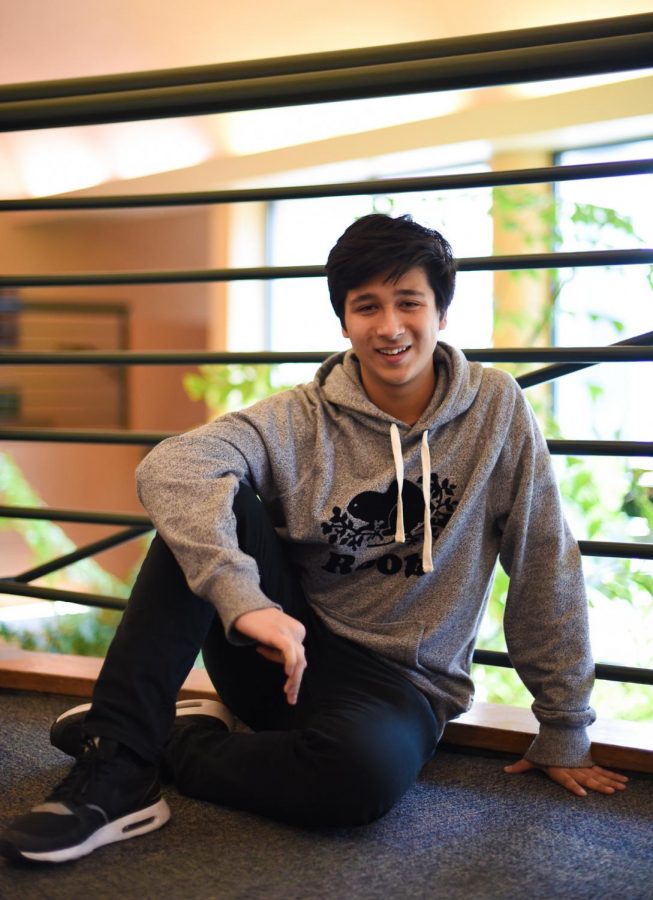
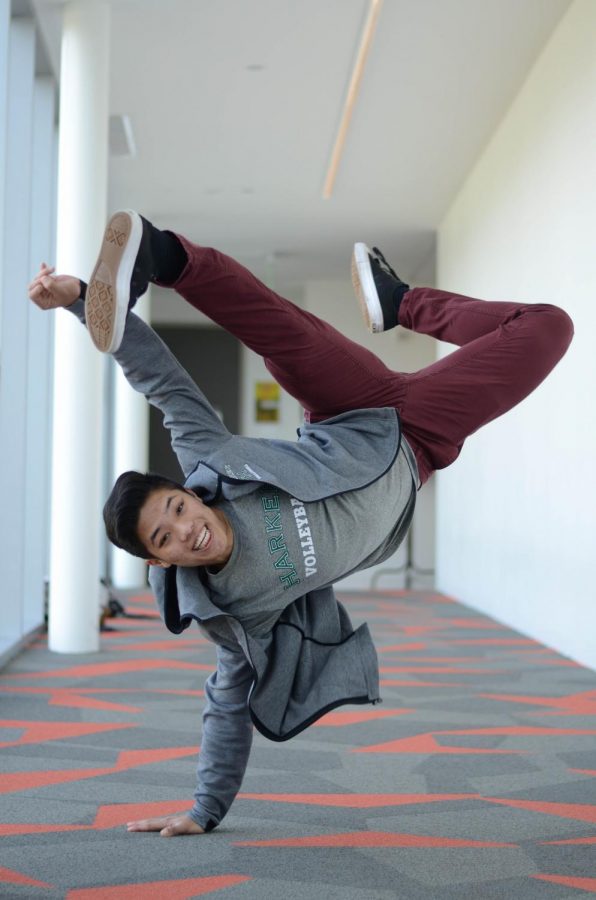
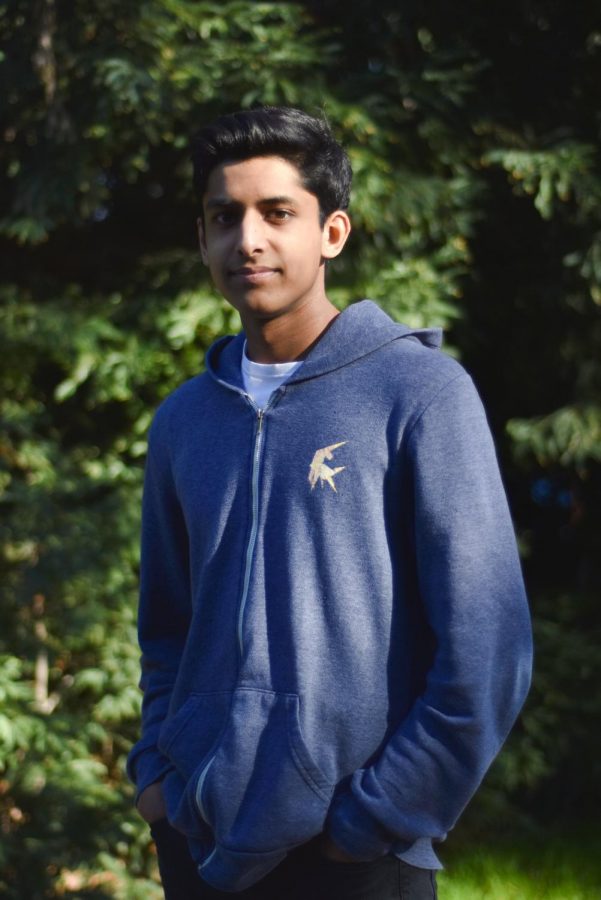

![“I think getting up in the morning and having a sense of purpose [is exciting]. I think without a certain amount of drive, life is kind of obsolete and mundane, and I think having that every single day is what makes each day unique and kind of makes life exciting,” Neymika Jain (12) said.](https://harkeraquila.com/wp-content/uploads/2017/06/Screen-Shot-2017-06-03-at-4.54.16-PM.png)
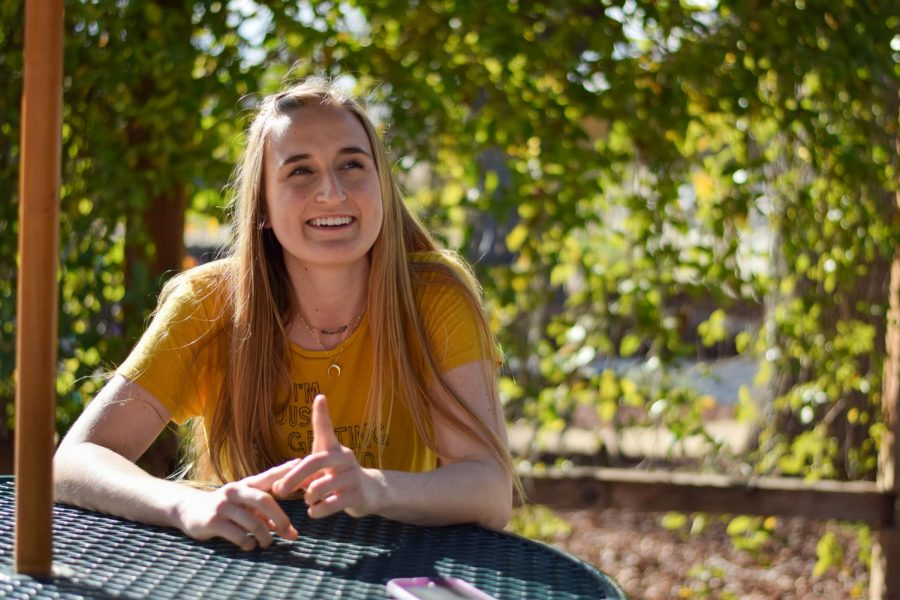
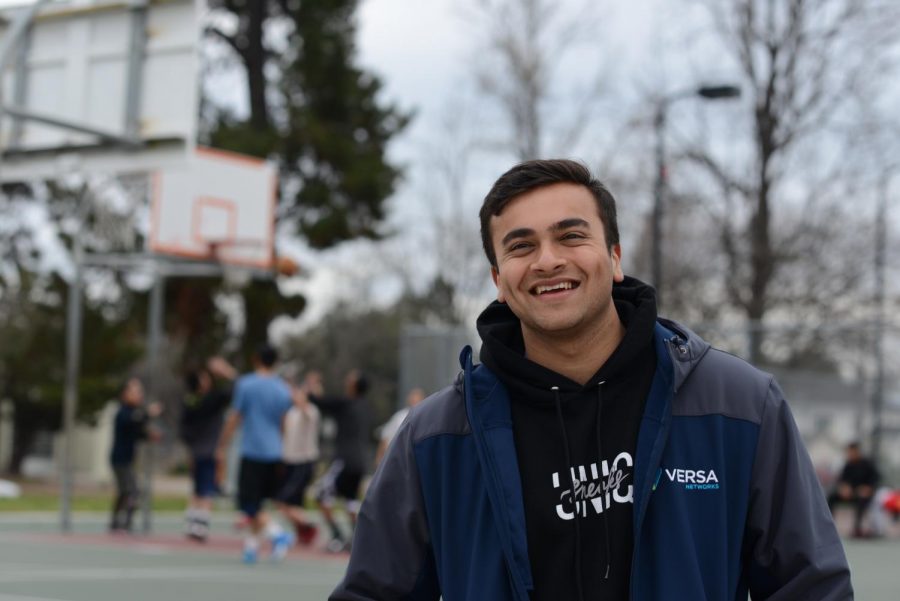
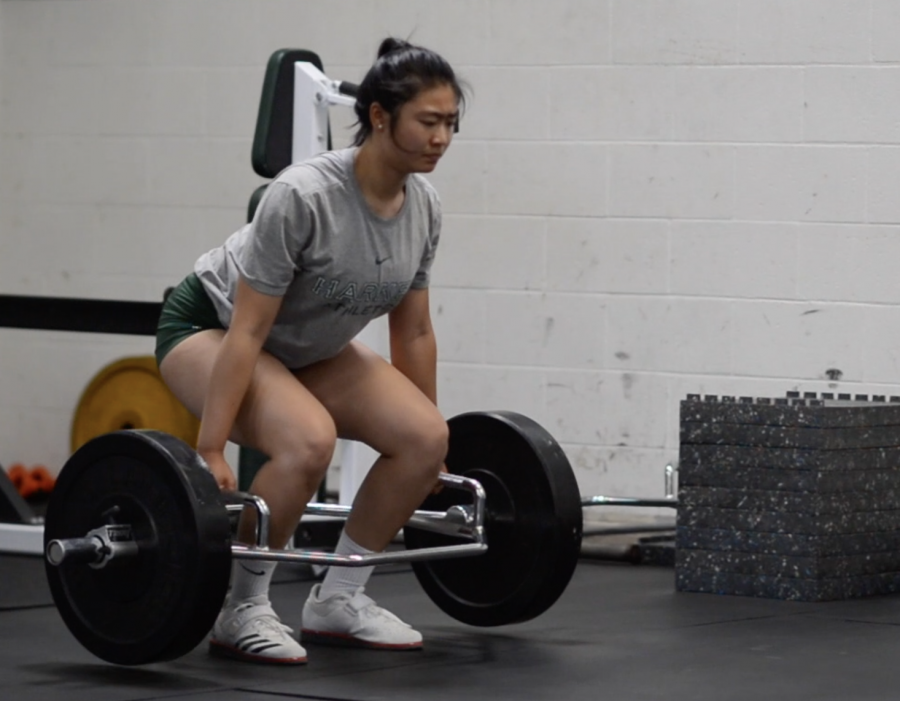
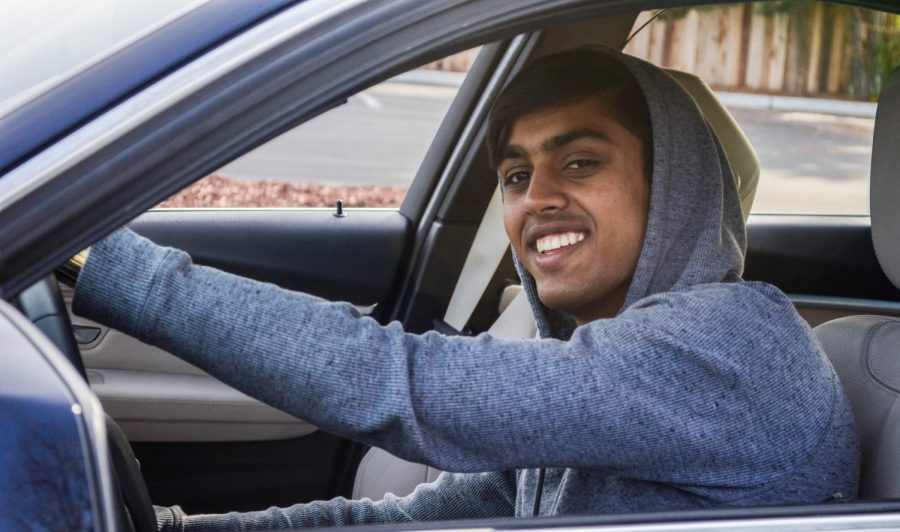
![“My slogan is ‘slow feet, don’t eat, and I’m hungry.’ You need to run fast to get where you are–you aren't going to get those championships if you aren't fast,” Angel Cervantes (12) said. “I want to do well in school on my tests and in track and win championships for my team. I live by that, [and] I can do that anywhere: in the classroom or on the field.”](https://harkeraquila.com/wp-content/uploads/2018/06/DSC5146-900x601.jpg)
![“[Volleyball has] taught me how to fall correctly, and another thing it taught is that you don’t have to be the best at something to be good at it. If you just hit the ball in a smart way, then it still scores points and you’re good at it. You could be a background player and still make a much bigger impact on the team than you would think,” Anya Gert (’20) said.](https://harkeraquila.com/wp-content/uploads/2020/06/AnnaGert_JinTuan_HoHPhotoEdited-600x900.jpeg)
![“I'm not nearly there yet, but [my confidence has] definitely been getting better since I was pretty shy and timid coming into Harker my freshman year. I know that there's a lot of people that are really confident in what they do, and I really admire them. Everyone's so driven and that has really pushed me to kind of try to find my own place in high school and be more confident,” Alyssa Huang (’20) said.](https://harkeraquila.com/wp-content/uploads/2020/06/AlyssaHuang_EmilyChen_HoHPhoto-900x749.jpeg)

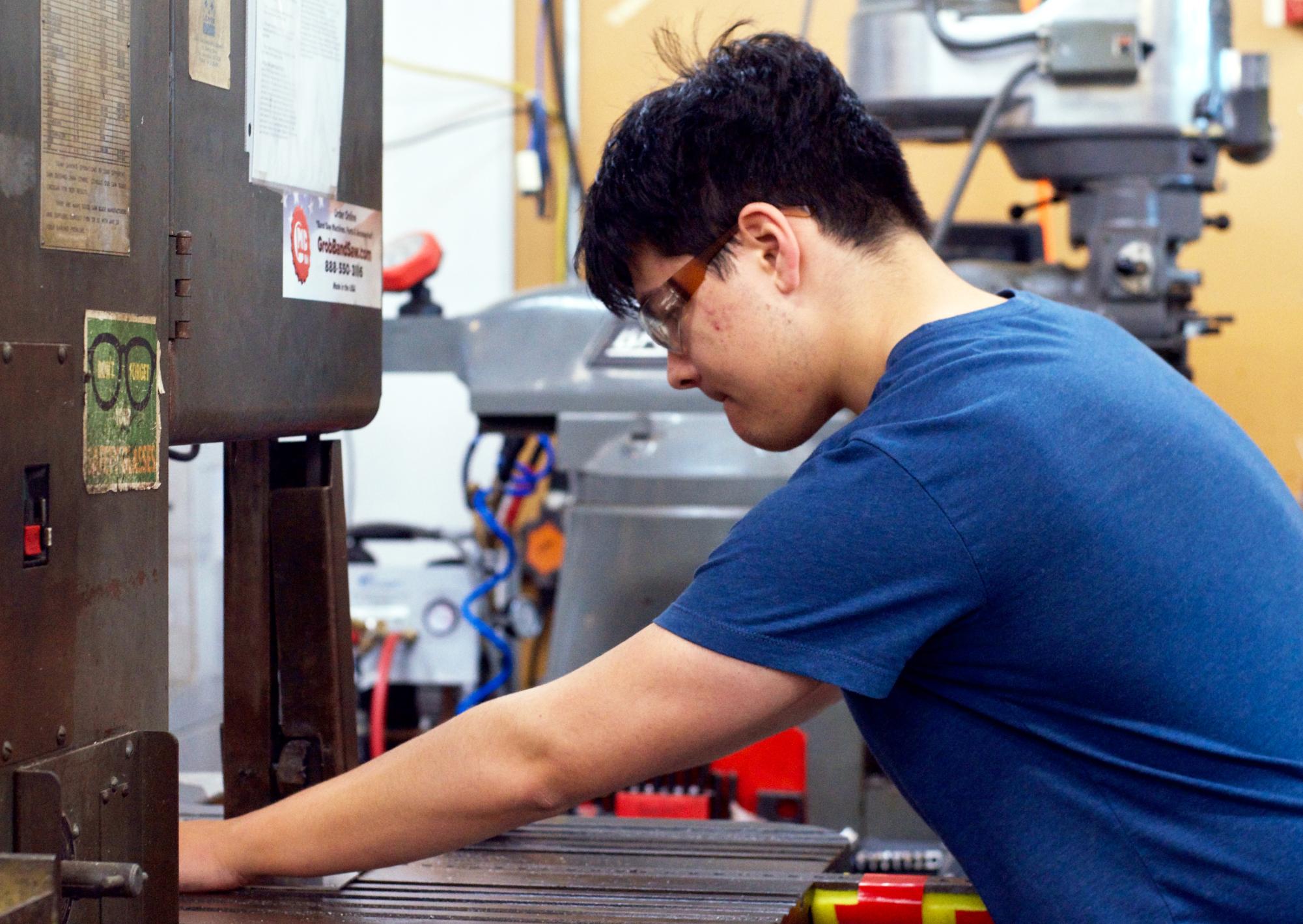
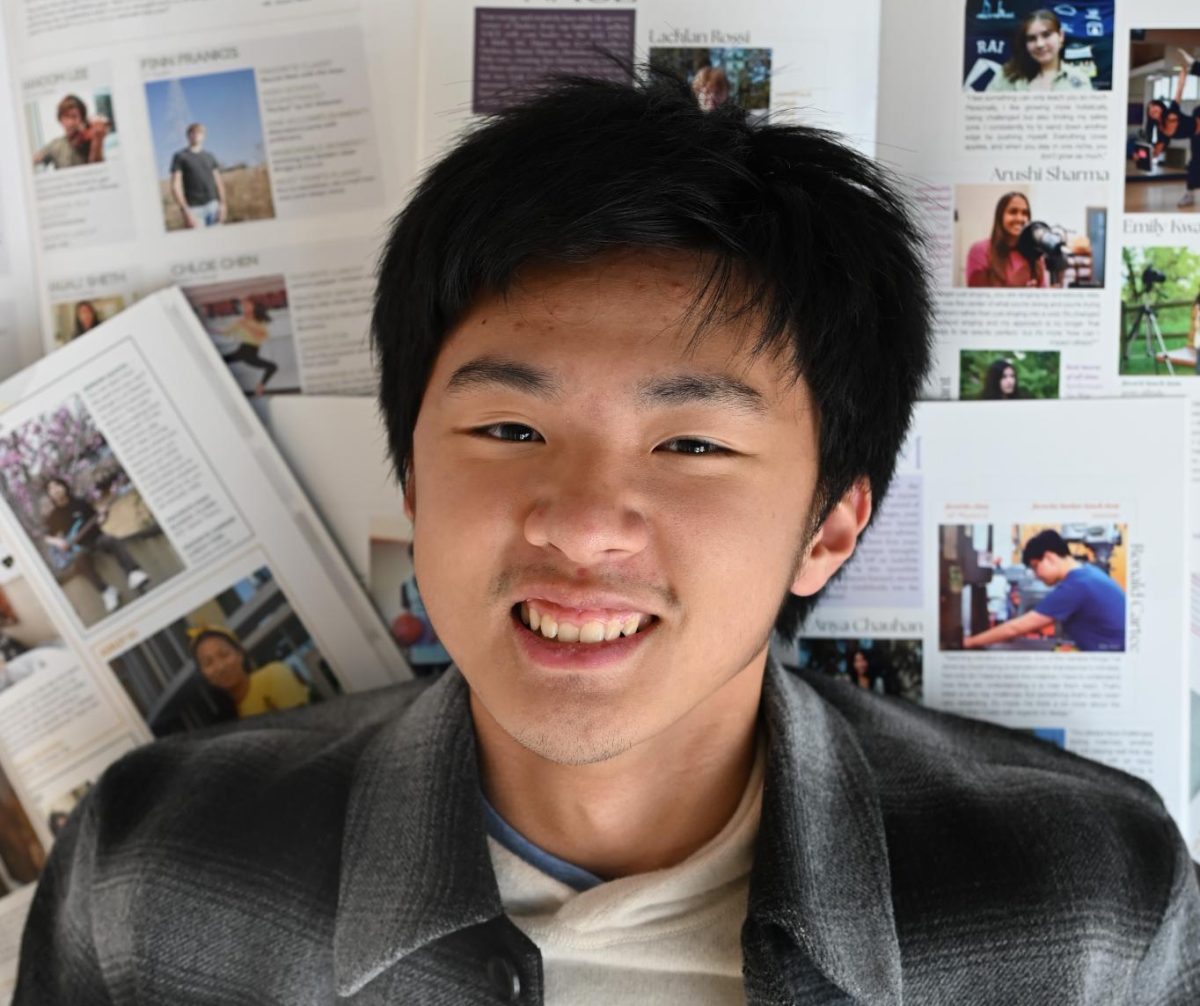
Frenzied shouts echo as teams run around fixing incoming problems from their robots. Among them, Ronald Cartee (12) finishes the final changes, ensuring the robot works for the team’s success in the competition later. With continuous changes and new tweaks, Ronald constantly needs to be focused and alert. After pushing through the difficulties of the contest, Ronald explains how they can refine their competition technique for the following day.
Ronald’s interest in robotics ignited when his parents gifted him a MindStorms EV Kit, a set designed to introduce kids to building robots. After interacting with the kit, Ronald decided to join robotics in middle and high school. Once he worked on the robotics team for a few years, he started to create lessons for new team members, helping them understand the process.
“We didn’t have really great training plans, so I was assigned to make a lot of them,” Ronald said. “I remember staying after school for a half of a month or a full month working with another kid to try to refine our training plans to something that our students would really love.”
After working on several projects, Ronald acknowledged the importance of collaboration, especially under a time stressful situation. He enjoys seeing people putting their minds together and focusing on a certain project, leading to a cohesive team working to complete their goals.
“Communication is insanely important,” Ronald said. “It doesn’t matter how good your teammates are. If you can’t work together, you won’t get anything done. But I think the real magic is what happens when you have really good communication because you could take five people who don’t know anything, and by the end they could win it all.”
As a Design Director of Harker robotics, Ronald mentors newer people on the team and takes on the responsibility to explain the concepts of robotics while also understanding their point of view and thoughts on the projects. Taking what he knows and turning it into a lesson for other people is a learning process, but the satisfaction he feels from helping students gain knowledge enables Ronald to enjoy the activities.
“Teaching robotics is one of the hardest things I’ve done,” Ronald said. “There’s so much transitioning into that teacher’s mindset. Not only do I have to teach the material, I have to understand how they are understanding it to help them learn. That’s been a big challenge, but also very rewarding. It’s made me think a lot more about the choices that I make with regards to design.”
Upper school math teacher Caren Furtado, who taught Ronald his sophomore year, remarks on his problem solving and communication skills. She commends his effort in robotics and his dedication to enlist new members for the team.
“I remember last year, he was very actively trying to recruit freshmen and help freshmen develop skills on the team,” Furtado said. “A lot of the seniors would leave, and they would have a big void in the robotics team. He just wanted to make sure that when they left, there was enough skill to keep the team going. The team mattered to him enough that he invested a lot of time getting the freshman and giving them enough responsibility and challenge.”
As a student driven group, Harker’s robotics team thrives even with the fluidity, experimentation, and changes that are found within the team. Ronald finds opportunities to gain knowledge without needing teachers to help, and considers the trials and mistakes the team experiences along the way.
“Our team is more student driven than a lot of other teams,” Ronald said. “That really gives us students the ability to make a lot of the decisions. While sometimes that comes to bite us in the end, and we don’t make the best decisions, it really helps the learning process because at the end of the day, we feel like we are in control of our success. That really empowers us to work hard.”
An unexpected aspect of robotics that Ronald encountered was carpentry, which he supplemented with his previous experiences in Technical Theater from fourth grade. The job requires lengthy dedication and time, yet Ronald understands the importance of the work that he does. Last year, Ronald focused on completing field tiles for the carpet so that their projects could deploy properly. Ronald recalls the large amounts of effort that he put into the design and notes that some significant parts of robotics like carpentry may not easily be seen from other people’s perspectives.
“I spent my last spring break that year, just making these carpets nonstop,” Ronald said. “It was the hardest physical labor I’ve ever done. But also it’s become insanely useful, and it was absolutely critical to our success, last year and the year before that. I think it’s a great example of some of the work that goes into robotics that you don’t really see at the end, but it’s still really important.”
Furtado also notes Ronald’s presence in her class and how he builds connections with other students. She appreciates Ronald’s humor, as it allows for his classmates to grow confidence within the subject.
“He definitely brings a whole new dimension of intellectual challenge to the classroom,” Furtado said. “He makes the class quite funny with the things he says and that’s helpful. Sometimes that’s helpful because other students feel less inhibited and he helps you build a certain camaraderie and a certain amount of discipline in the classroom.”
Ronald’s sister Margaret Cartee (12) comments on her bond with Ronald as twins. She remarks on how though his perspective differs from hers, she can learn from his opinions. Margaret appreciates his viewpoints and his problem solving skills in robotics.
“It’s very interesting to learn from him and learn about this completely different worldview that I never really held,” Margaret said. “ He has a very mathy and analytical perspective, whereas I’m a little bit more like a humanities perspective. I learn a lot from him about how he analyzes the world with this engineering lens and how he comes at problems. It helps me grow as a result.”