






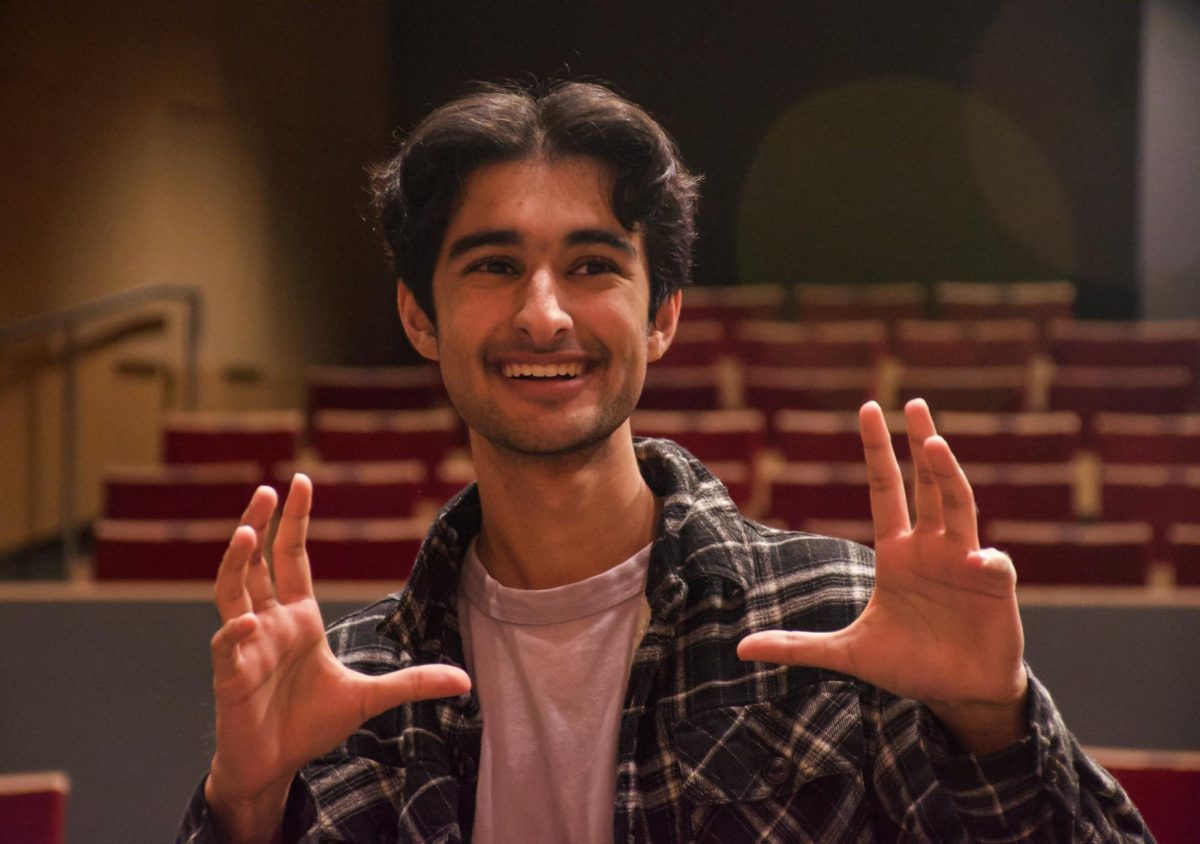

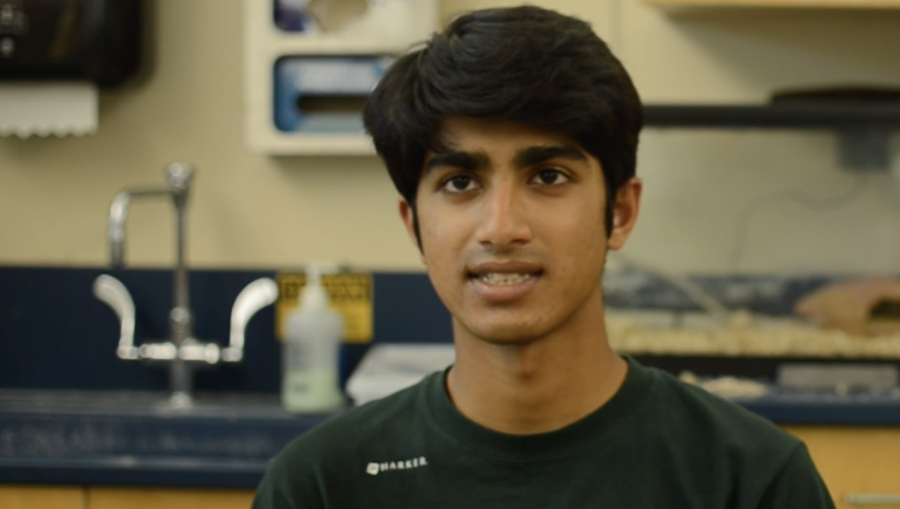
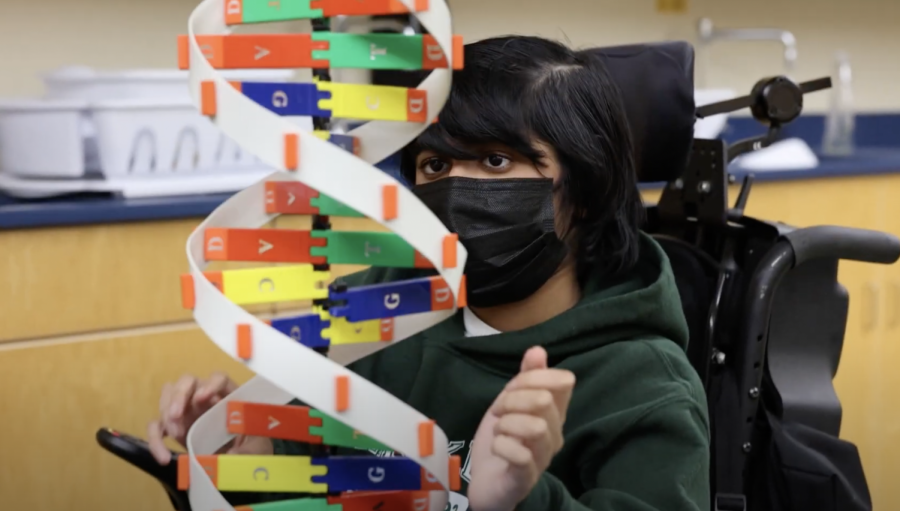
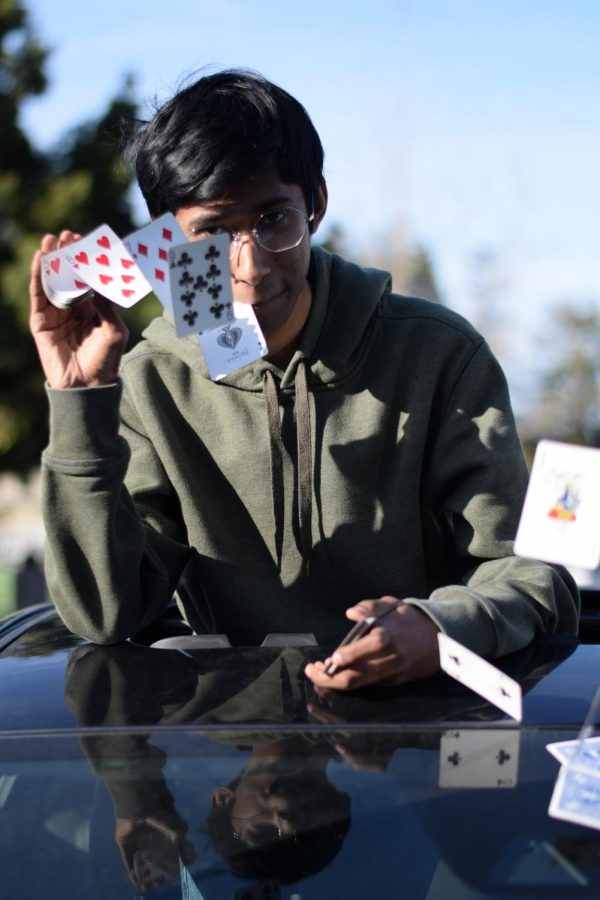
![“[Building nerf blasters] became this outlet of creativity for me that hasn't been matched by anything else. The process [of] making a build complete to your desire is such a painstakingly difficult process, but I've had to learn from [the skills needed from] soldering to proper painting. There's so many different options for everything, if you think about it, it exists. The best part is [that] if it doesn't exist, you can build it yourself," Ishaan Parate said.](https://harkeraquila.com/wp-content/uploads/2022/08/DSC_8149-900x604.jpg)
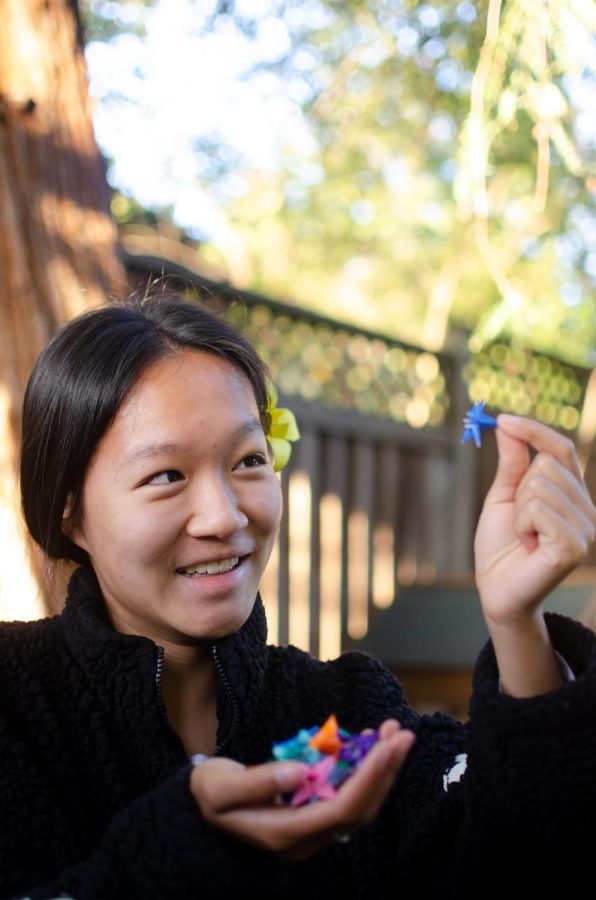
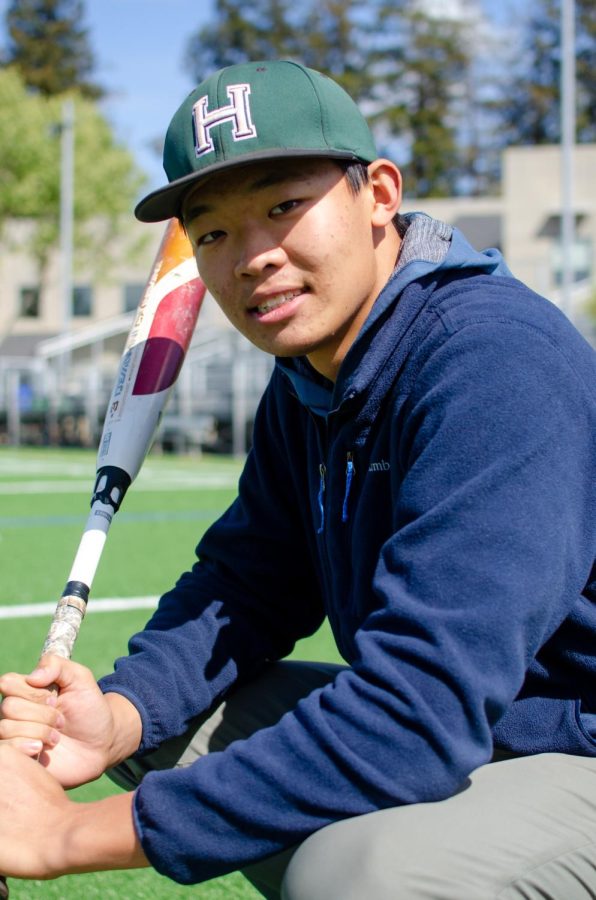
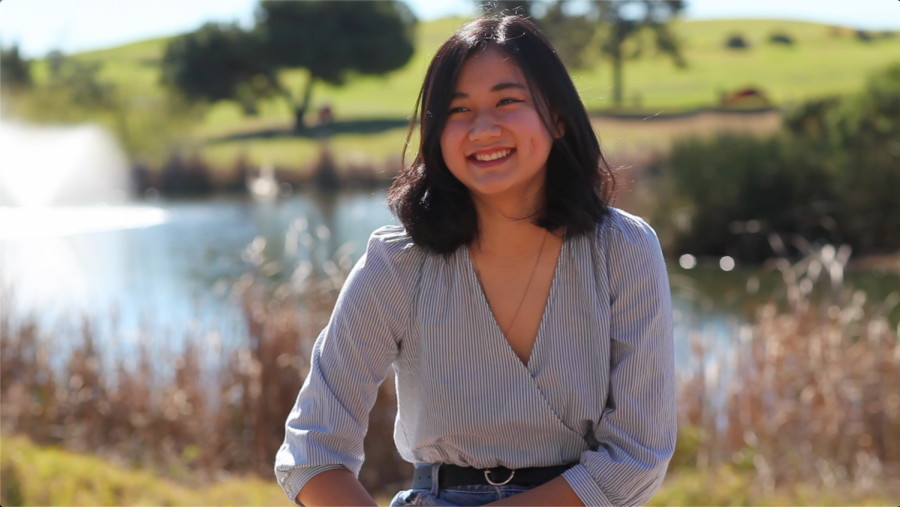
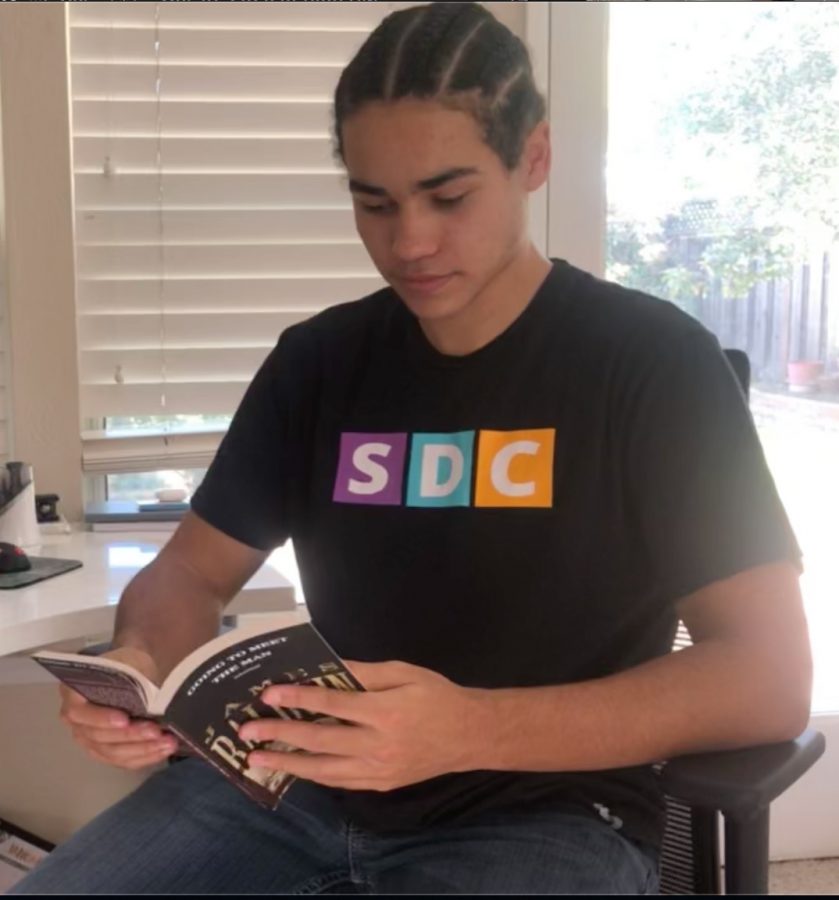
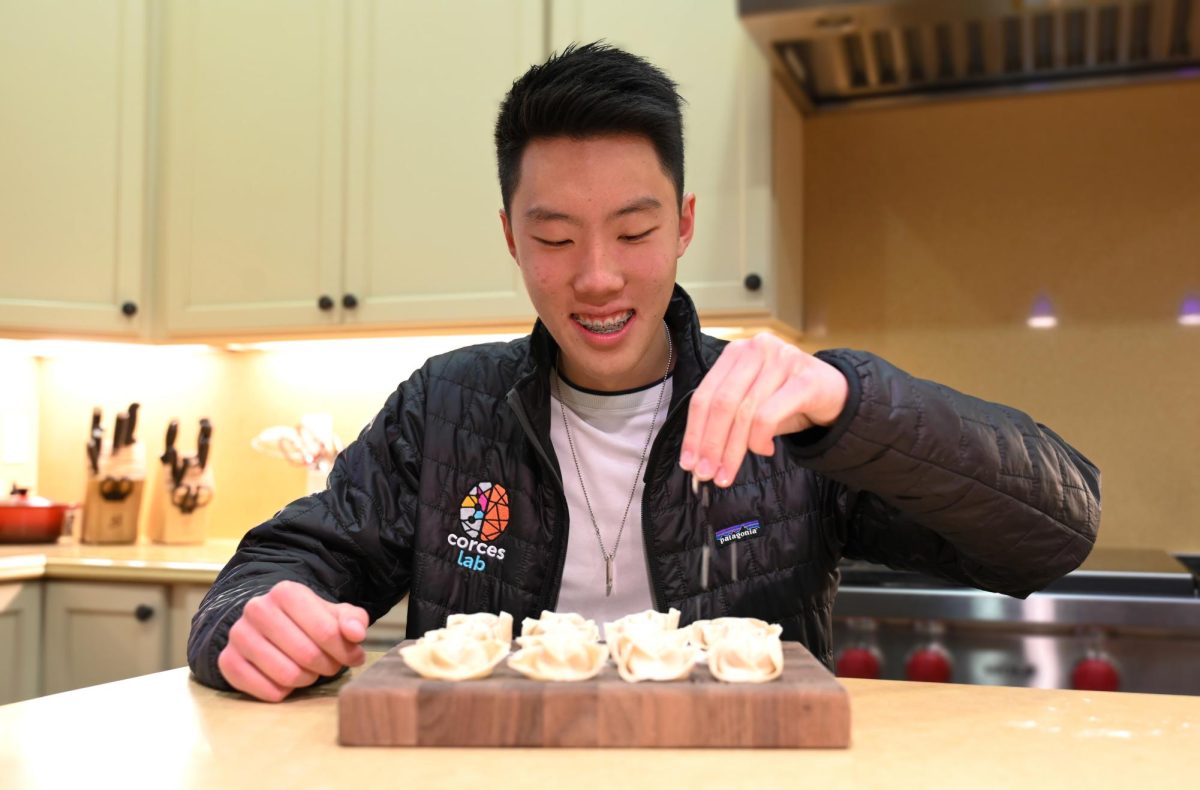
![“When I came into high school, I was ready to be a follower. But DECA was a game changer for me. It helped me overcome my fear of public speaking, and it's played such a major role in who I've become today. To be able to successfully lead a chapter of 150 students, an officer team and be one of the upperclassmen I once really admired is something I'm [really] proud of,” Anvitha Tummala ('21) said.](https://harkeraquila.com/wp-content/uploads/2021/07/Screen-Shot-2021-07-25-at-9.50.05-AM-900x594.png)

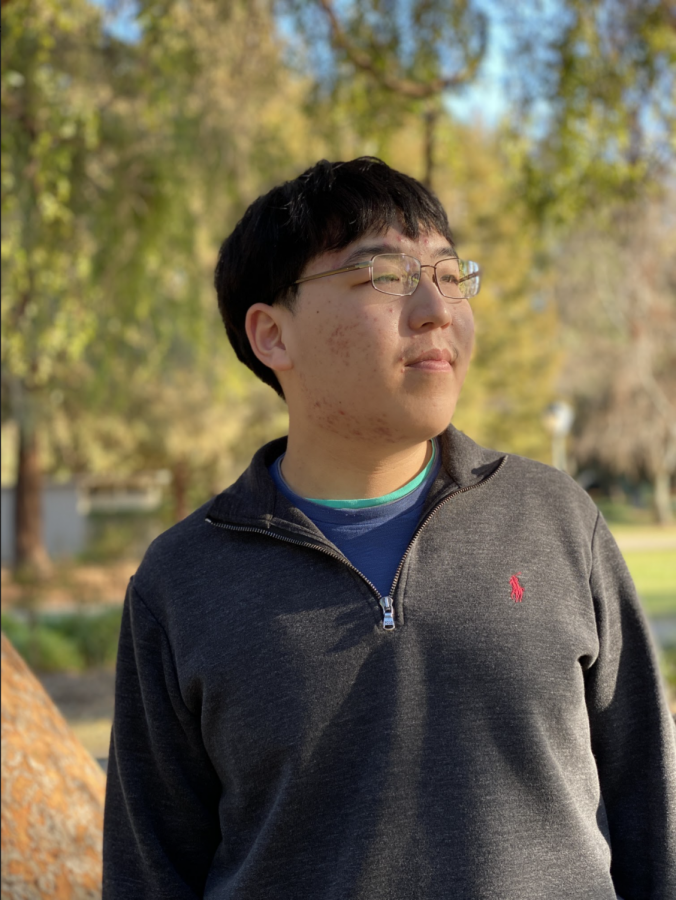
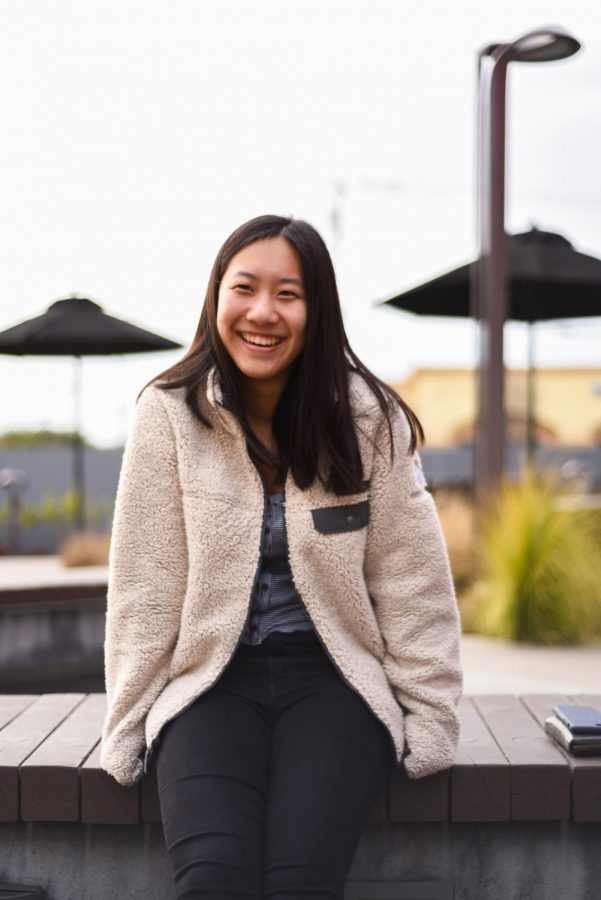



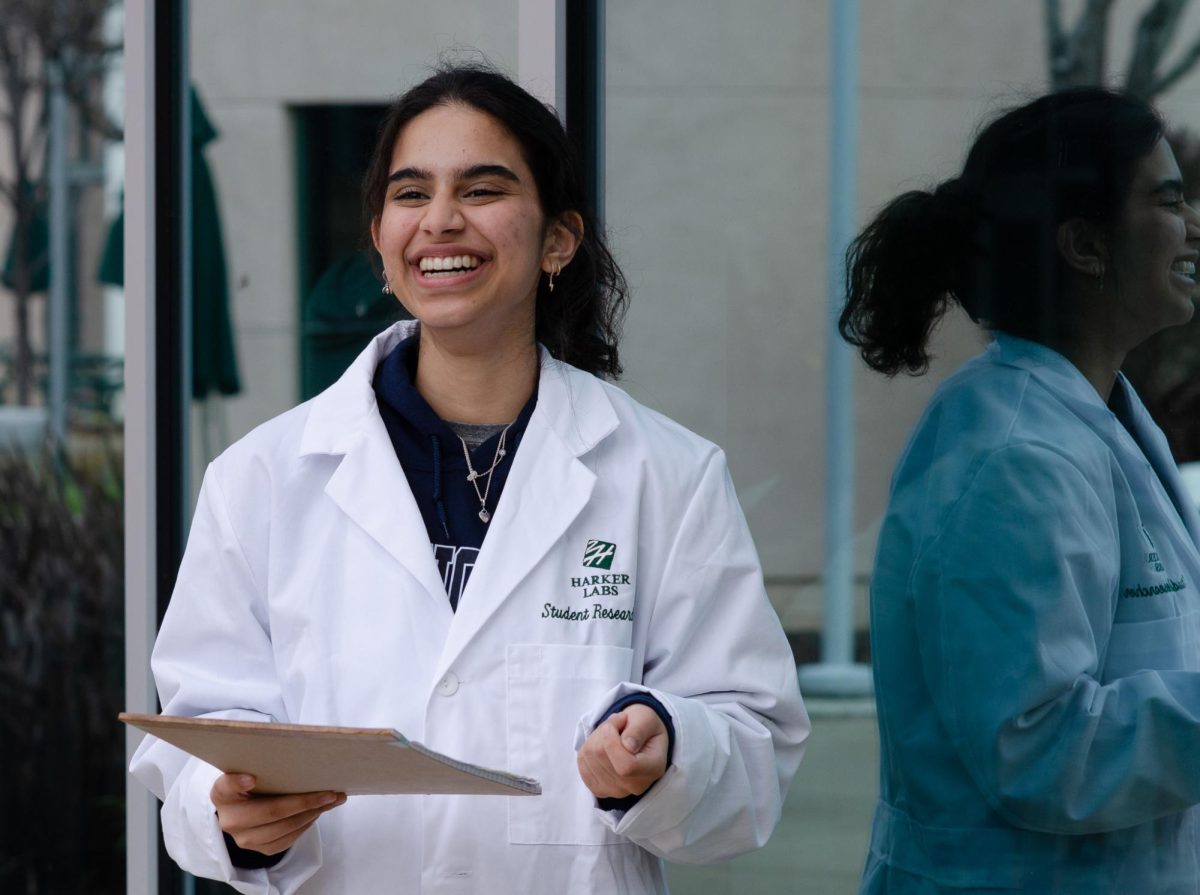
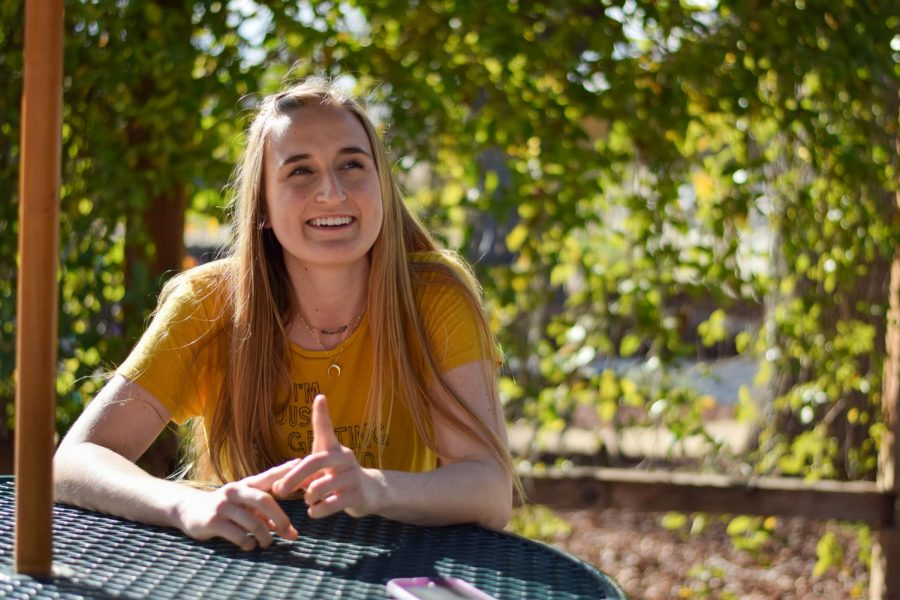
![“I think getting up in the morning and having a sense of purpose [is exciting]. I think without a certain amount of drive, life is kind of obsolete and mundane, and I think having that every single day is what makes each day unique and kind of makes life exciting,” Neymika Jain (12) said.](https://harkeraquila.com/wp-content/uploads/2017/06/Screen-Shot-2017-06-03-at-4.54.16-PM.png)
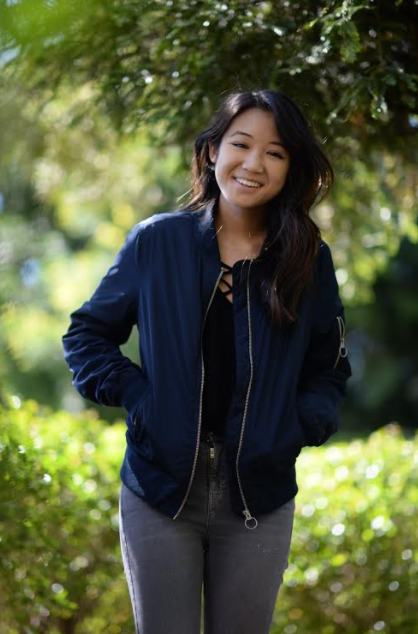
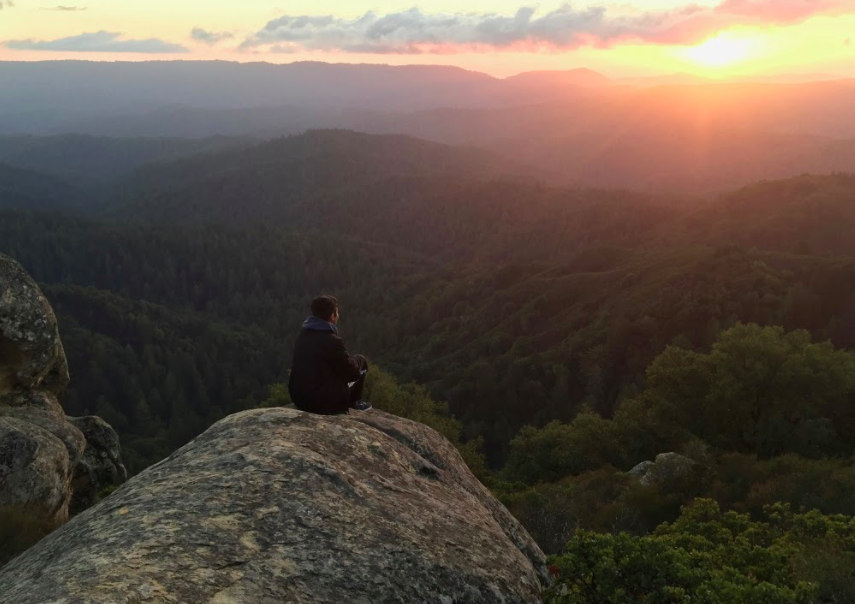

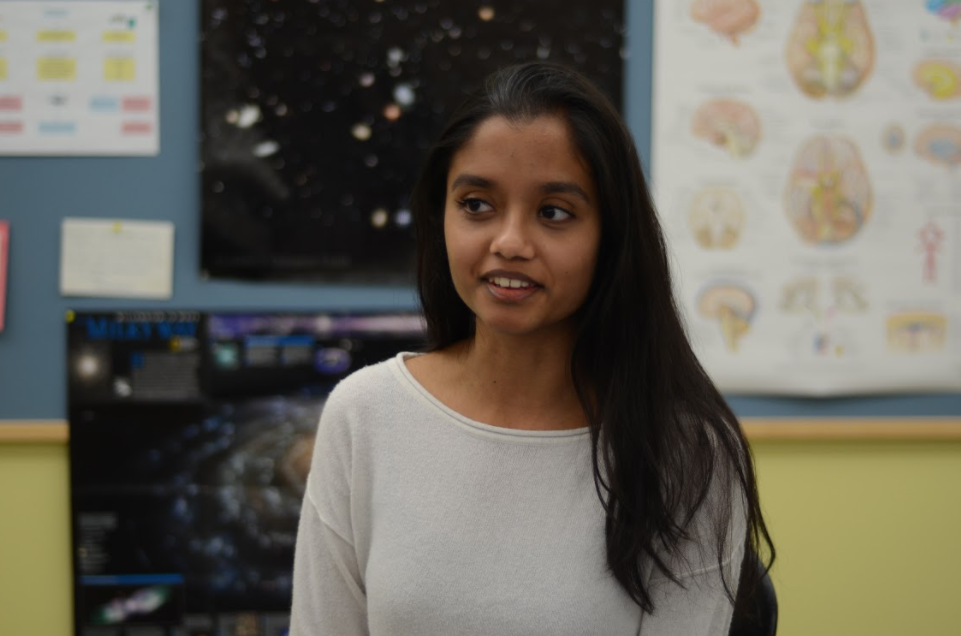

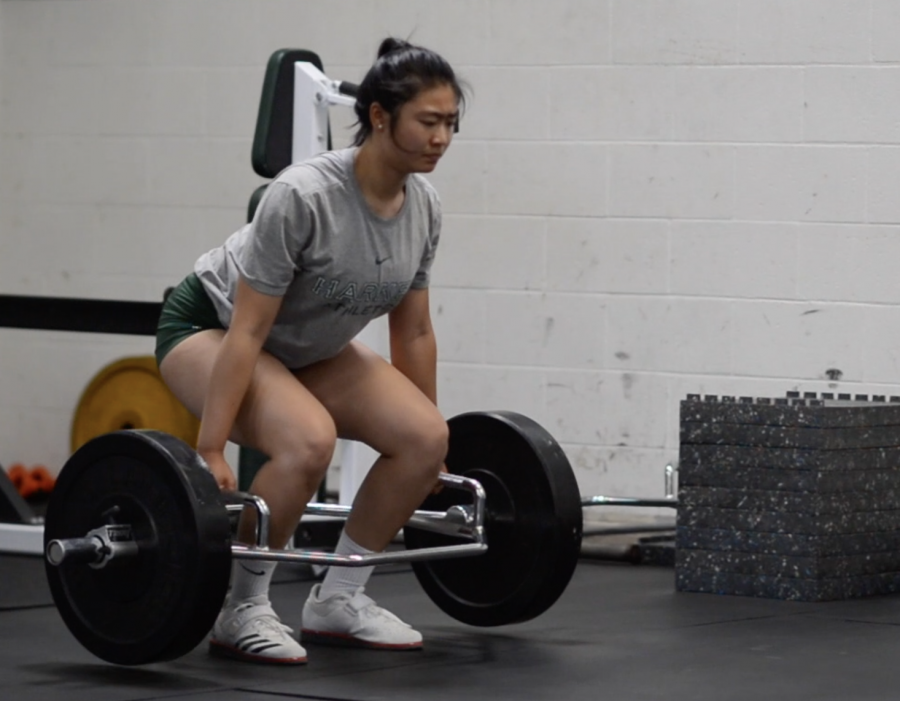

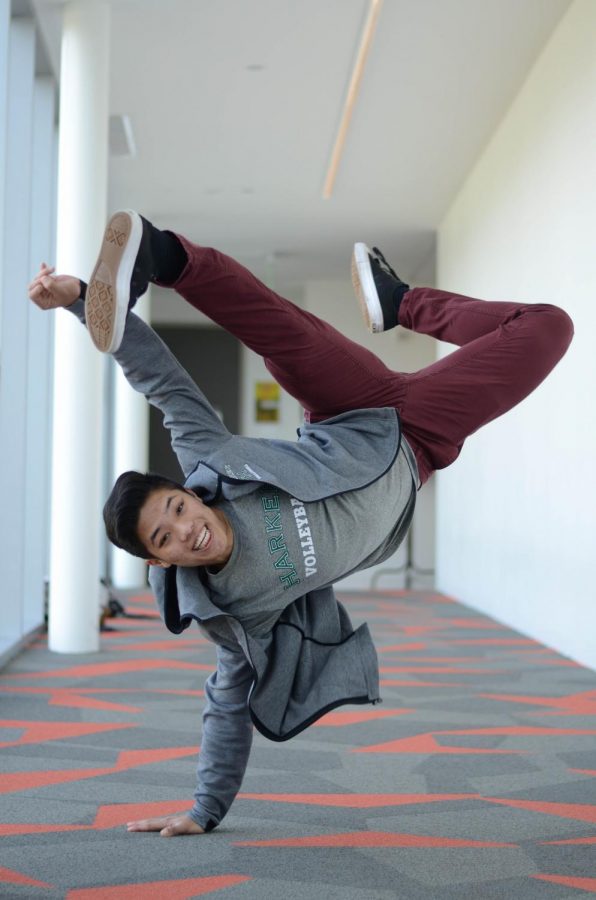
![“My slogan is ‘slow feet, don’t eat, and I’m hungry.’ You need to run fast to get where you are–you aren't going to get those championships if you aren't fast,” Angel Cervantes (12) said. “I want to do well in school on my tests and in track and win championships for my team. I live by that, [and] I can do that anywhere: in the classroom or on the field.”](https://harkeraquila.com/wp-content/uploads/2018/06/DSC5146-900x601.jpg)
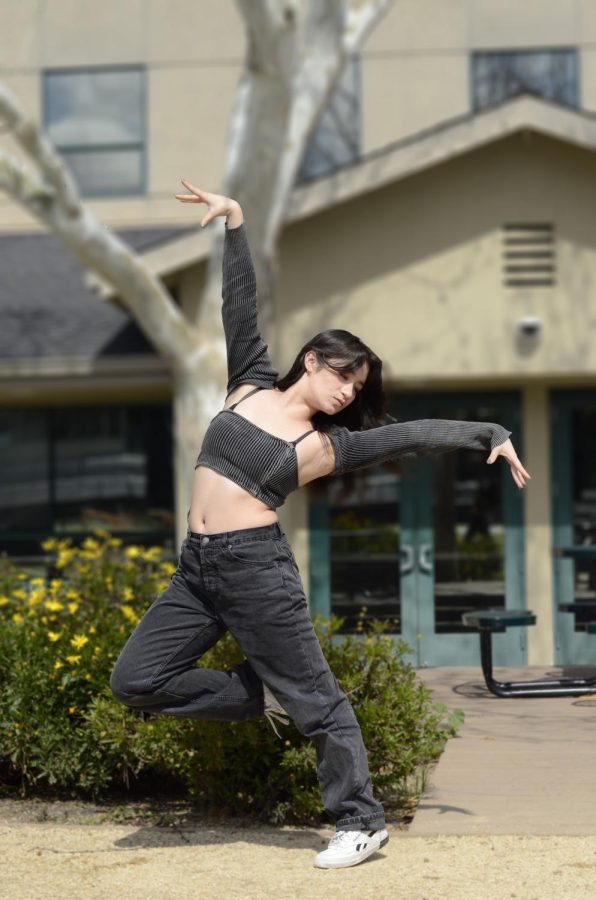
![“[Volleyball has] taught me how to fall correctly, and another thing it taught is that you don’t have to be the best at something to be good at it. If you just hit the ball in a smart way, then it still scores points and you’re good at it. You could be a background player and still make a much bigger impact on the team than you would think,” Anya Gert (’20) said.](https://harkeraquila.com/wp-content/uploads/2020/06/AnnaGert_JinTuan_HoHPhotoEdited-600x900.jpeg)
![“I'm not nearly there yet, but [my confidence has] definitely been getting better since I was pretty shy and timid coming into Harker my freshman year. I know that there's a lot of people that are really confident in what they do, and I really admire them. Everyone's so driven and that has really pushed me to kind of try to find my own place in high school and be more confident,” Alyssa Huang (’20) said.](https://harkeraquila.com/wp-content/uploads/2020/06/AlyssaHuang_EmilyChen_HoHPhoto-900x749.jpeg)



Humans of Harker: Expressing the infinite through the finite
Austina Xu creates abstract meaning through precise technique
![“[High school is] finite but not finite. It's finite in the sense that it's going to eventually end. If you realize the finiteness of it, you learn to value the experiences you gain from it more, but it's somewhat infinite too because the influences you gain from high school and the experiences of your high school journey are not over once you graduate high school," Austina Xu (12) said.](https://harkeraquila.com/wp-content/uploads/2022/10/AustinaXu_IM1-900x540.png)
“[High school is] finite but not finite. It’s finite in the sense that it’s going to eventually end. If you realize the finiteness of it, you learn to value the experiences you gain from it more, but it’s somewhat infinite too because the influences you gain from high school and the experiences of your high school journey are not over once you graduate high school,” Austina Xu (12) said.
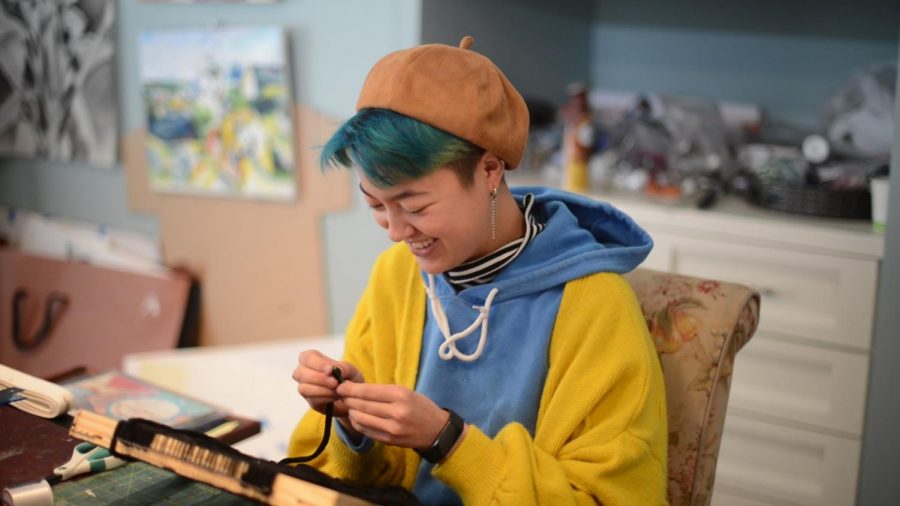
Splashes of blue spiral with swirls of green, sharing a pas de deux on a glossy glass canvas as they effortlessly stream out of a thin paintbrush. This nebula of paint and color, expanding and spreading with each new stroke, may seem ambiguous to the untrained eye. For Austina Xu (12), however, the true purpose of art lies in this simple canvas: perfecting technique meticulously to convey abstract meaning through seemingly finite mediums.
“[Art is] the perfect limbo between precision and control and freedom of expression,” Austina said. “You can put a lot of effort and be meticulous about your art, but ultimately the product can still be a bit more ambiguous in meaning, or it could be deeply personal but not as technical, which I like. Being able to see my feelings and thoughts take on a manifest of the physical form is something that is really satisfying to me.”
Austina’s dedication to art began when she was six years old after she joined her local art studio, from which she has now graduated. Now, as an officer of the upper school’s Art club, she enjoys dedicating time to her creative pursuits amidst her busy daily schedule. Creativity takes on many forms, however, and is in no way limited to solely art; Austina has also explored dance, guitar and creative writing as mediums to express her boundless imagination.
Austina attended the California Summer School of Arts (CSSA) during the summer after her sophomore year, where she wrote a 15-page epic in a poetry workshop. Last summer, she attended the Kenyon Review Young Writers Workshop at Iowa University, where she had the opportunity to share a spoken word rendition of her writing with her peers.
“The people there are insanely talented, and there are people who just seem super chill and fun, but the things they write about are far beyond superficial,” Austina said. “They’re super deep and super well written, and I got a chance to give a spoken word reading of my writing in a creative environment like that. That was very memorable and felt very empowering.”
One of upper school speech and debate teacher Scott Odekirk’s favorite works of Austina’s is her epic poem, which diverged from the rules of original oratory, the event in which she most often competes. Odekirk, who has taught Austina for four years, noted her wisdom and unique intellectual insights.
“She’s one of the most gifted writers I’ve ever taught,” Odekirk said. “She has great insight, [and] you can tell that when Austina views the world, she sees things other people don’t see. Everything she says is filled with such power, emotional connectedness, wisdom and insight. The truth is, every speech she’s given, I always walk away from it saying, ‘Wow, that is a speaker with insight beyond her years.’”
Words, whether through conversation, writing or art, play a pivotal role in not only Austina’s creative pursuits, but also her academic endeavors in speech and debate, which she has participated in since her freshman year.
“Being well informed about what’s going on in the world is something that’s very important because it helps mature your thinking and your ideologies,” Austina said. [Speech and debate has] given me a better feeling of sportsmanship than a lot of athletic teams have given me, which I found very interesting and unique.”
Close friend Ashley Ruan (12), who has known Austina since elementary school, noted Austina’s ability to perfectly mesh eloquence with humor.
“Whenever she texts our little group chat, the jokes she makes are funny in the sense that they’re super sophisticated at the same time,” Ashley said. “In that sense, she’s really able to use her words in a super sophisticated yet humorous way.”
Austina’s environment, whether at the Kenyon Review Young Writers Workshop or in the upper school speech and debate classroom, plays a major role in her life. She values the opportunities she receives not only to thrive in spaces of intellect and creativity, but also to learn from those who have more experience than herself. As a senior representative of the Honor Council, Austina appreciates the upper school’s small community and the lessons she’s learned as a member of student government. She also attributes her close bonds with her teachers to the unique environment Harker offers.
Upper school math teacher and Austina’s advisor Dr. Bune Bloomquist noted Austina’s willingness to care for others before herself and her generosity.
“She takes care of our advisory so well,” Dr. Bloomquist said. “She’s the biggest sister. She’s bringing donuts every once in a while here, and then just recently, she is sharing the donuts. She’s trying to offer more and feed all of us, [and] that’s showing her character.”
Throughout Austina’s high school journey, she has also adapted her mindset to understand the work that one must devote to maintaining hope throughout the ups and downs of life.
“[Hope is] not just something that comes to you,” Austina said. “Sure, there are people that might be naturally more hopeful or optimistic, but [I think] about it as somewhat of a responsibility in the sense that it is something that requires work and will benefit you in the long run if you have the courage to admit that things should and need to change. I feel like that’s ultimately what hope is about: this realization that things will change and change for the better, and you need to instigate that kind of change.”
Artwork ends when the pencil or paintbrush reaches the edges of the canvas, but the piece’s meaning extends much further. Similarly, though Austina has been meticulous in all aspects of her high school career, her growth and journey extend far beyond the nearing end of high school.
“[High school is] finite but not finite,” Austina said. “It’s finite in the sense that it’s going to eventually end. If you realize the finiteness of it, you learn to value the experiences you gain from it more, but it’s somewhat infinite too because the influences you gain from high school and the experiences of your high school journey are not over once you graduate high school.”

Isha Moorjani (12) is the co-editor-in-chief of Harker Aquila, and this is her fourth year on staff. This year, Isha is excited to manage Aquila's coverage...