


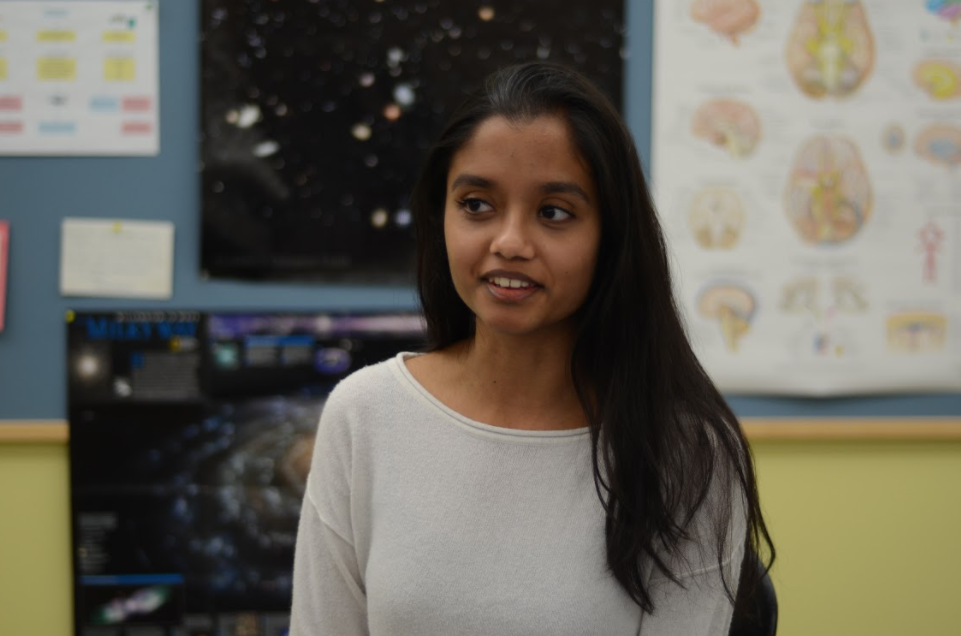
![“I wasn't discouraged by some of the obstacles we faced. I learned a lot from the leadership. I found that different people need different ways of receiving feedback — you can't [just] tell them to do something and expect the best. [Some] people needed more incentive. A large part of my role was to figure out what worked for everyone and to figure out how to lead all these separate individuals as a team,” Suhana Bhandare (’26) said.](https://harkeraquila.com/wp-content/uploads/2026/06/SuhanaBhandare_JasmineHansra-1-1200x798.jpg)
![“This is actually from Randy Pausch Randy P. Brick: ‘Walls are there for a reason. You have to show how much you want to overcome them.’ You have to show how much you want something. That's what I've always been able to do with tennis, Link Crew and getting that internship [with Kushy Baby]. It’s important pushing through that — getting around that brick wall, climbing over it or clawing through it,” Yash Sachdeva (’26) said.](https://harkeraquila.com/wp-content/uploads/2026/05/YashSachdeva_RamBatchu-copy-1200x1002.jpg)


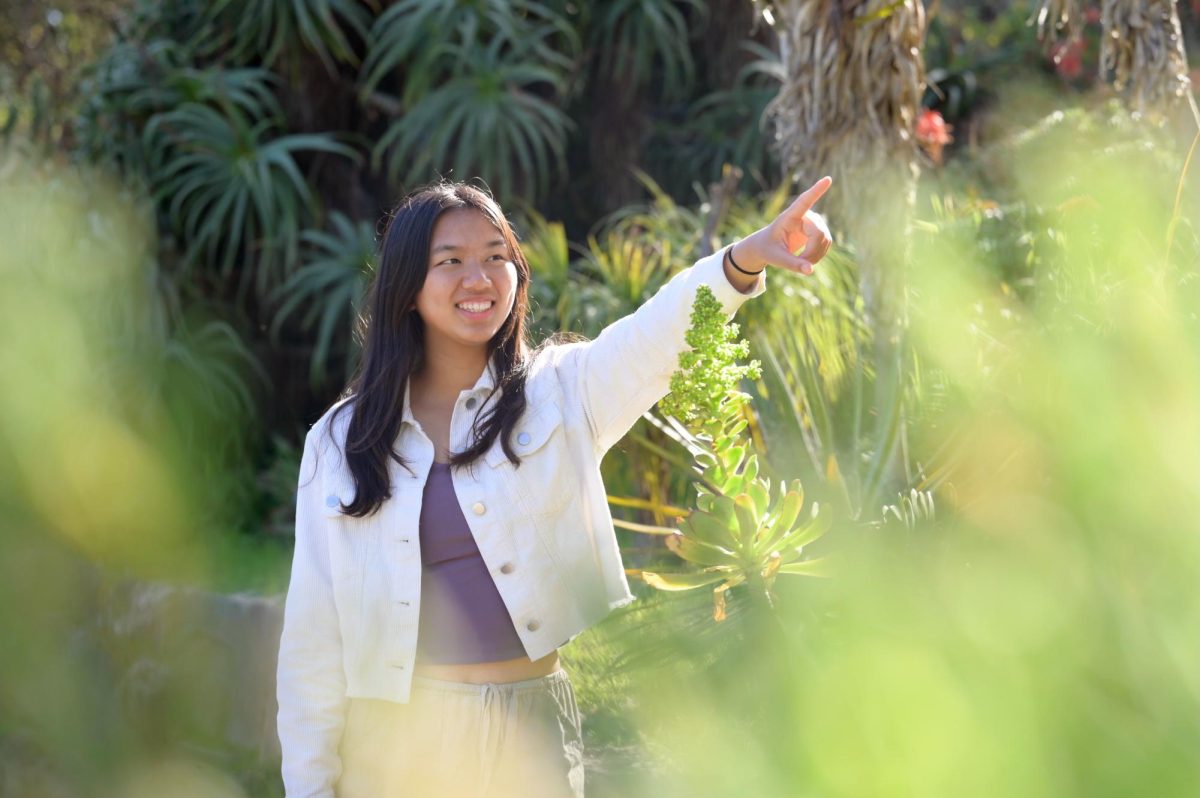

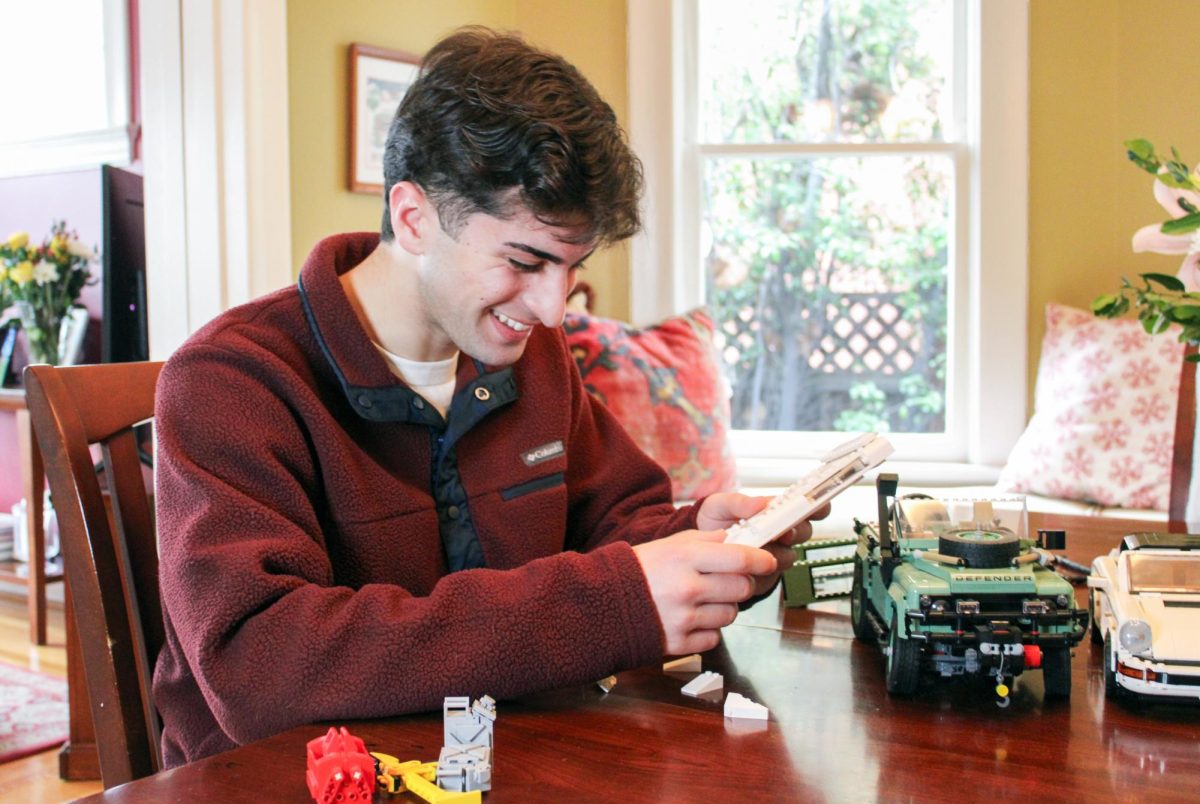
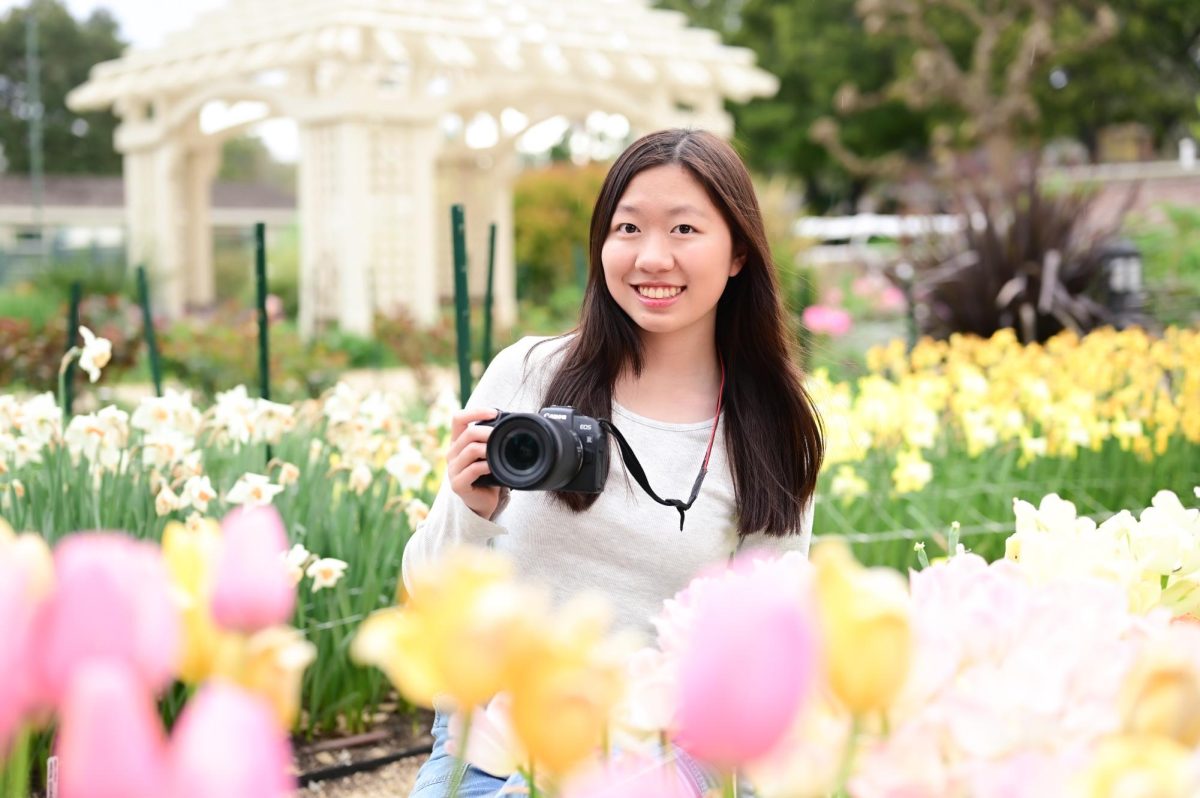
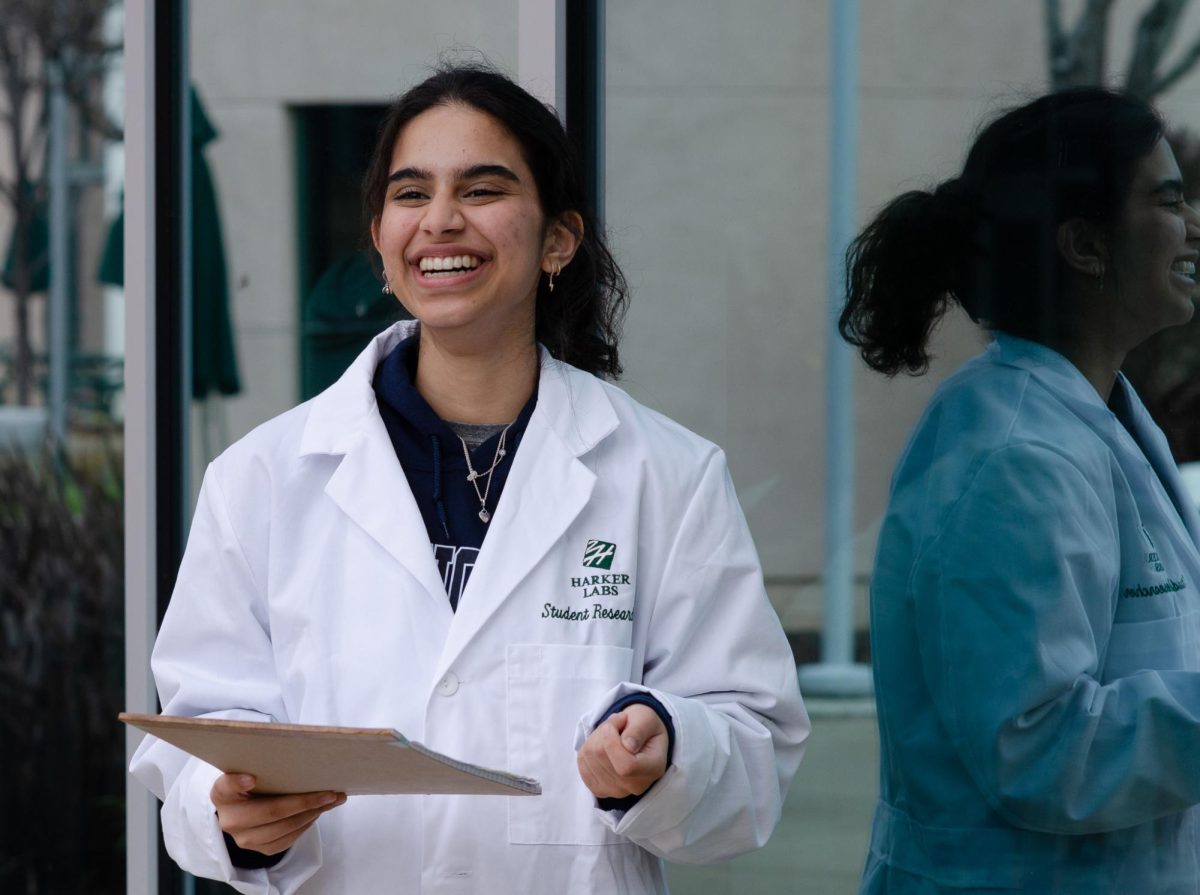
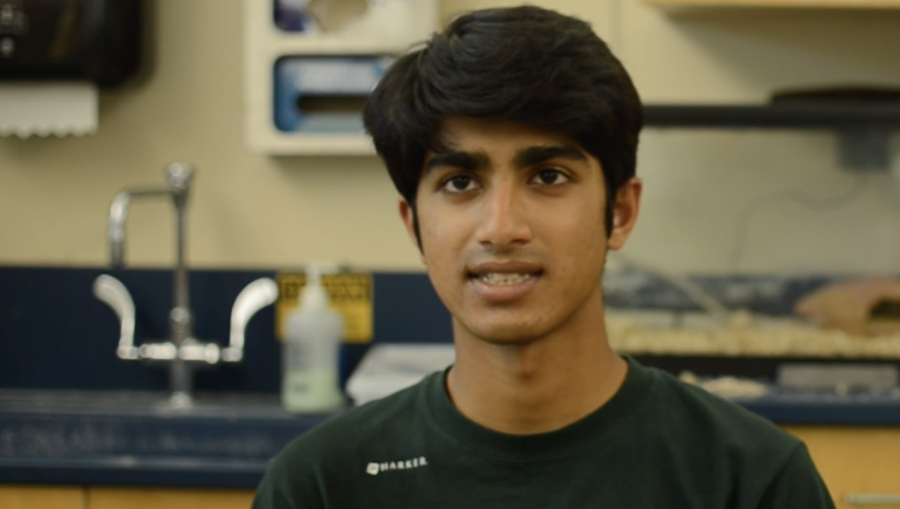
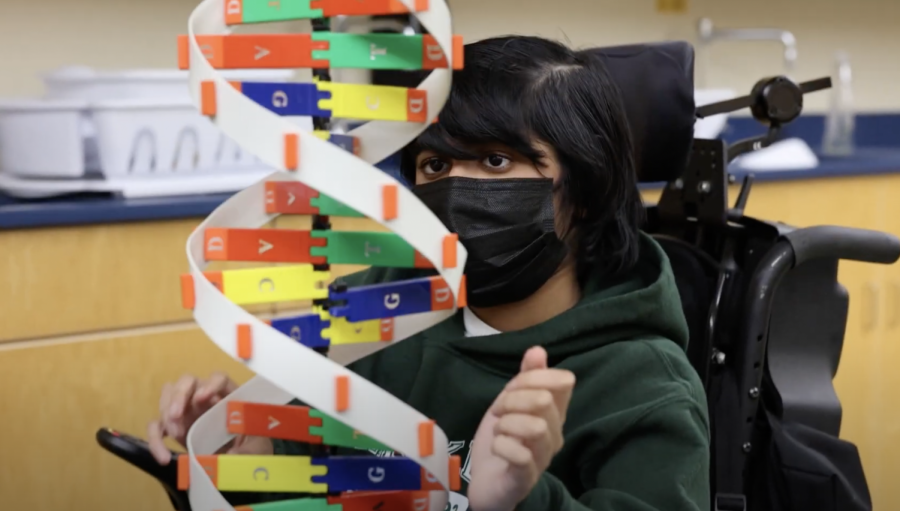
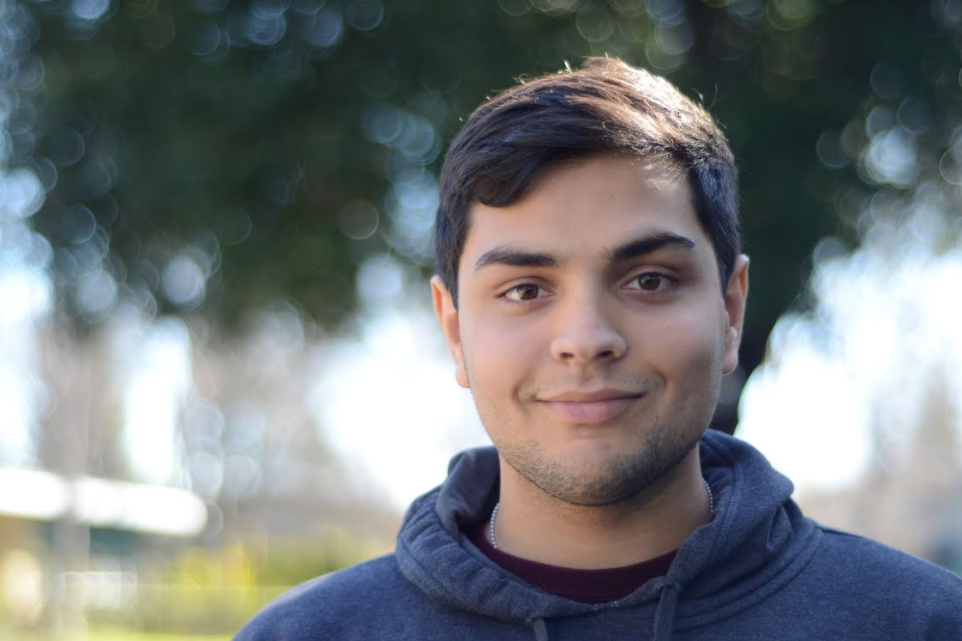
![“[Building nerf blasters] became this outlet of creativity for me that hasn't been matched by anything else. The process [of] making a build complete to your desire is such a painstakingly difficult process, but I've had to learn from [the skills needed from] soldering to proper painting. There's so many different options for everything, if you think about it, it exists. The best part is [that] if it doesn't exist, you can build it yourself," Ishaan Parate said.](https://harkeraquila.com/wp-content/uploads/2022/08/DSC_8149-900x604.jpg)
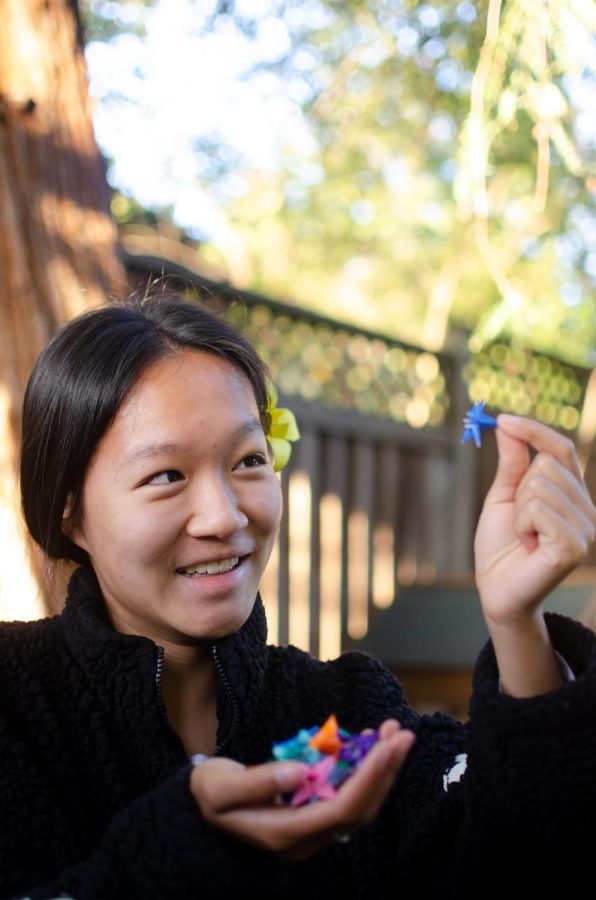
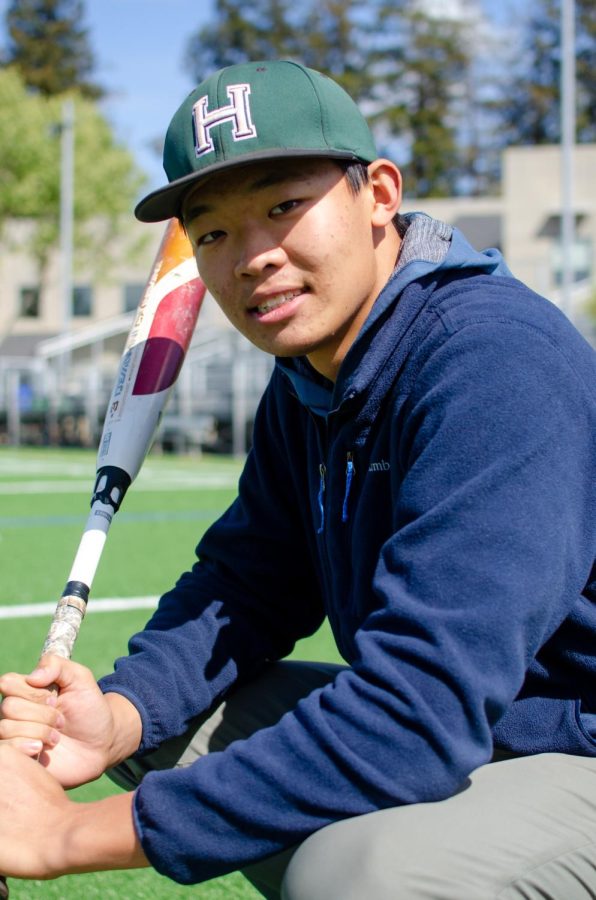
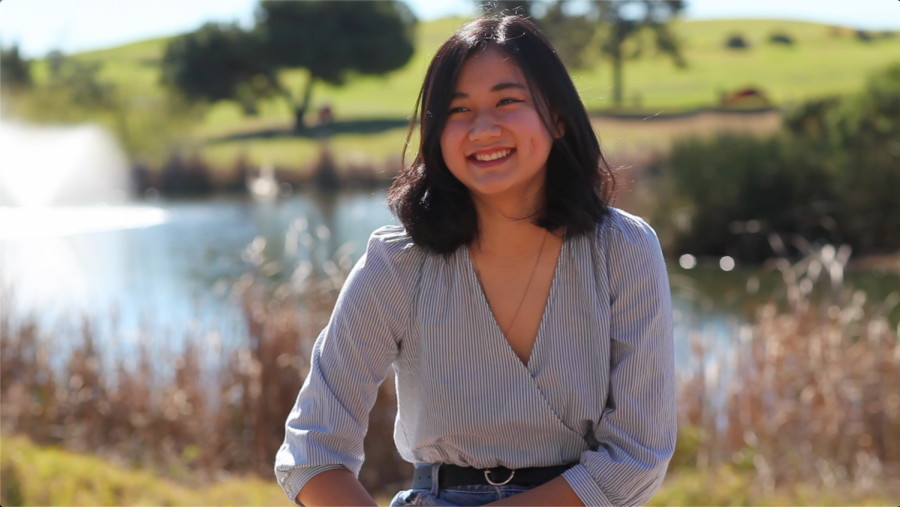
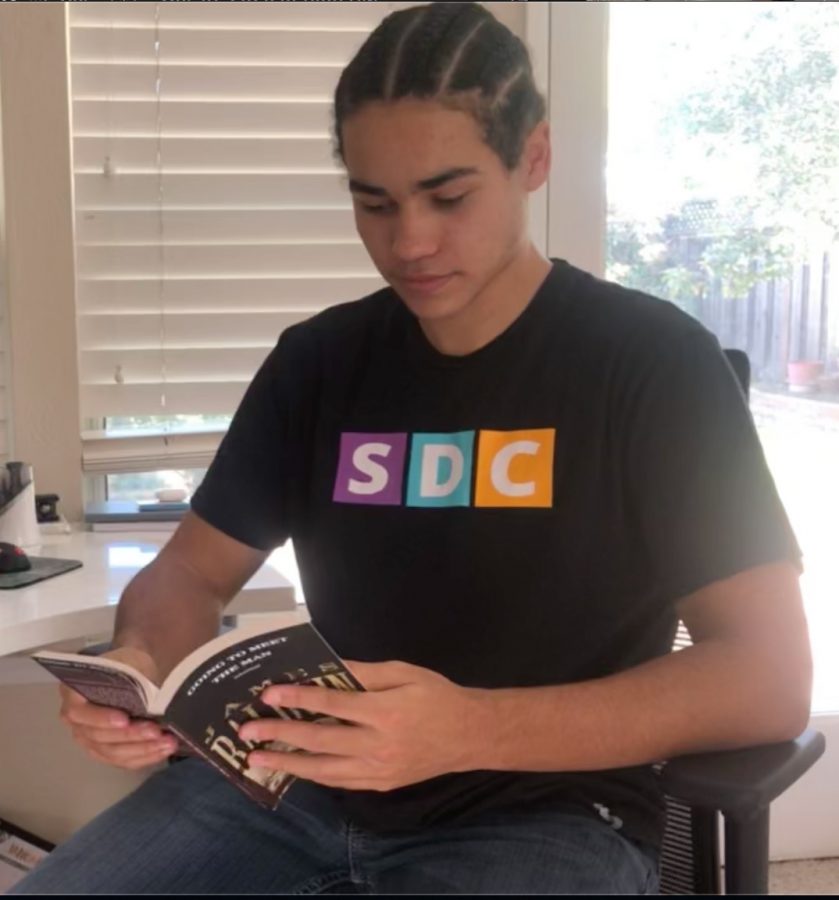
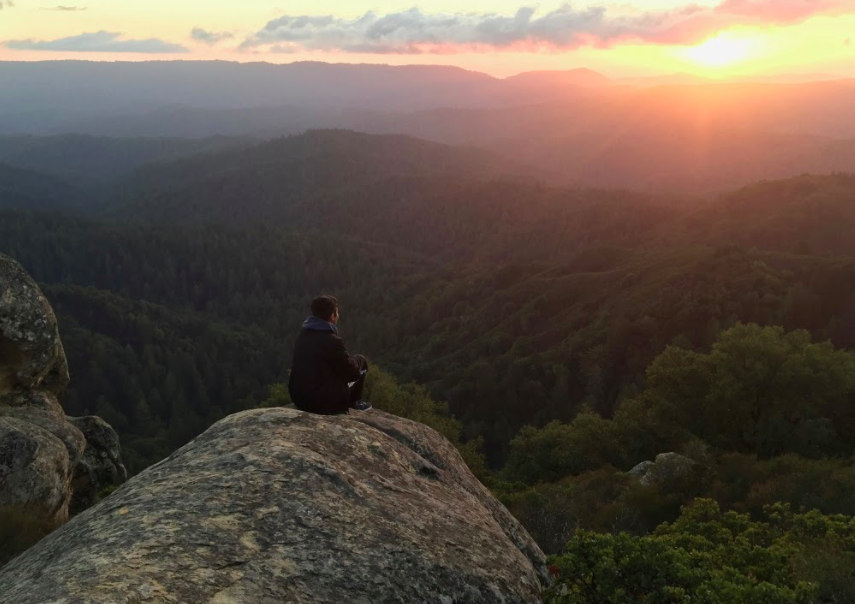
![“When I came into high school, I was ready to be a follower. But DECA was a game changer for me. It helped me overcome my fear of public speaking, and it's played such a major role in who I've become today. To be able to successfully lead a chapter of 150 students, an officer team and be one of the upperclassmen I once really admired is something I'm [really] proud of,” Anvitha Tummala ('21) said.](https://harkeraquila.com/wp-content/uploads/2021/07/Screen-Shot-2021-07-25-at-9.50.05-AM-900x594.png)
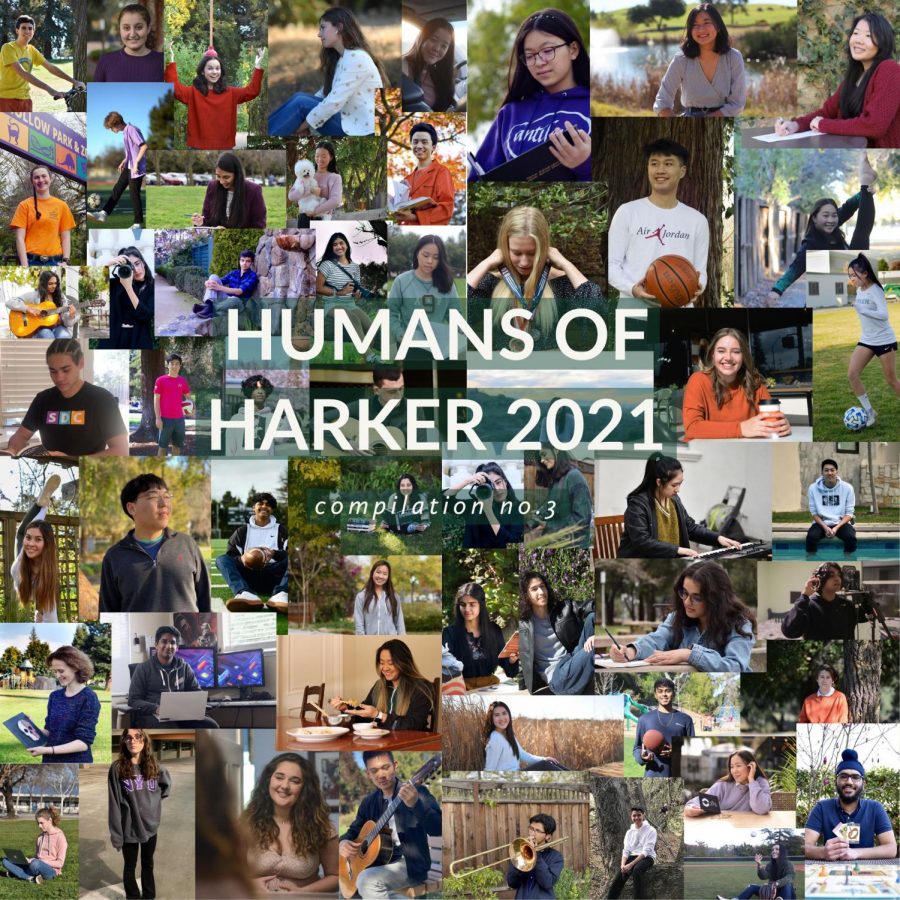
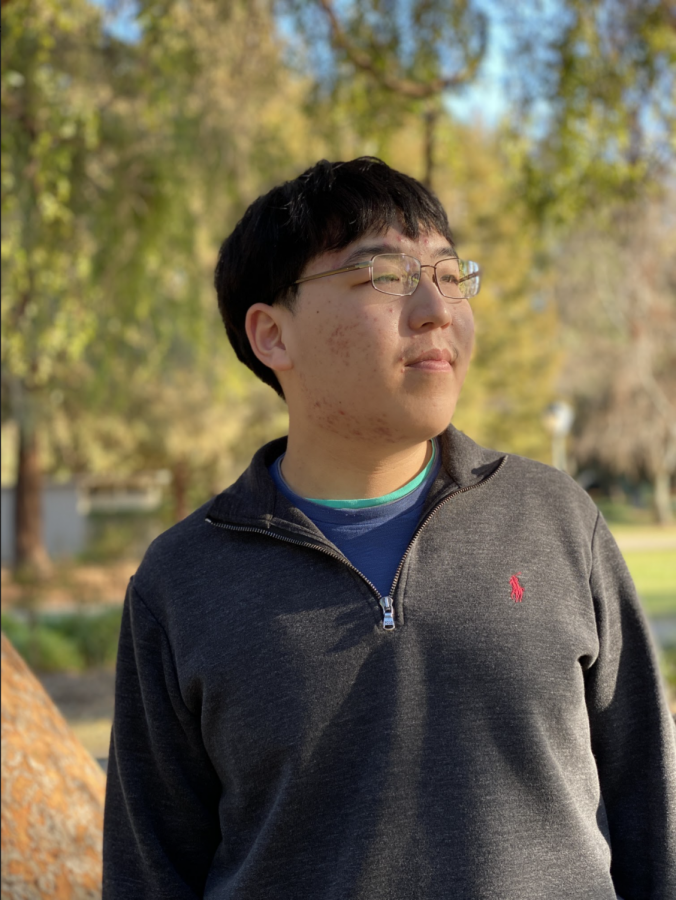
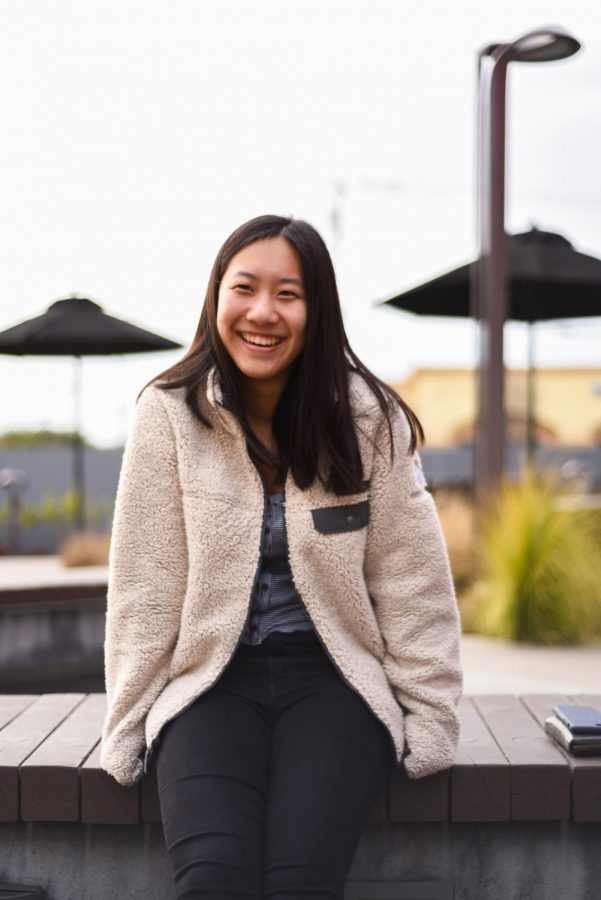
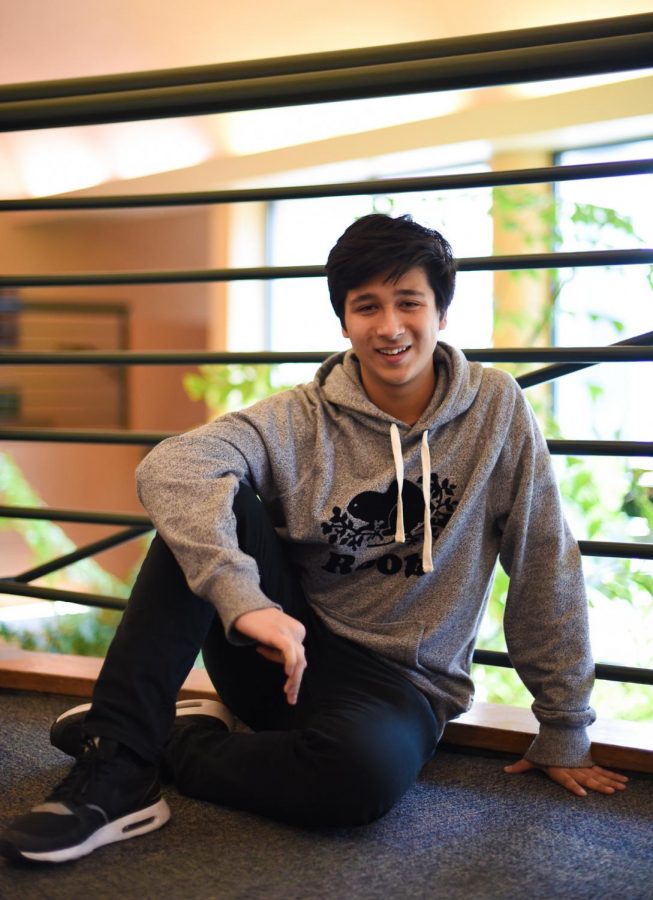
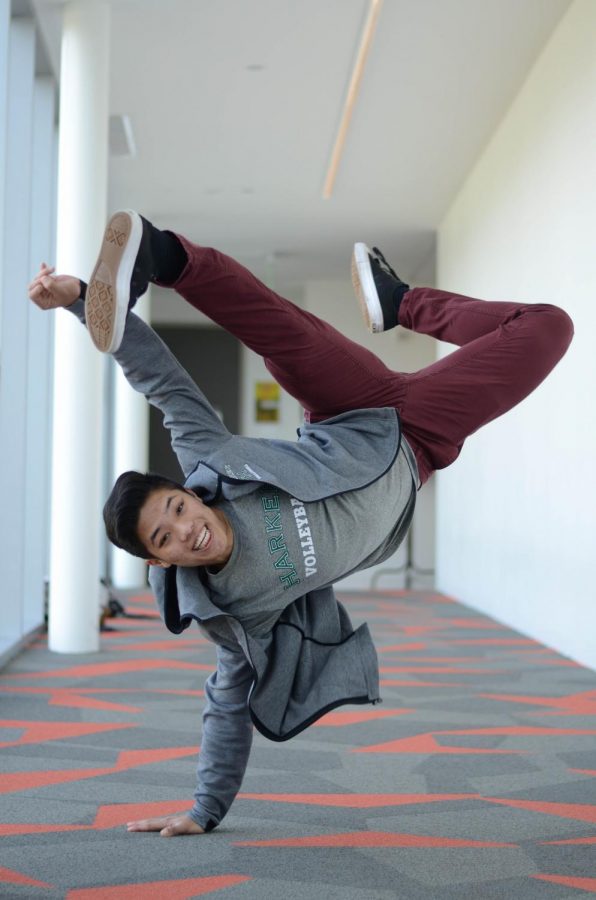
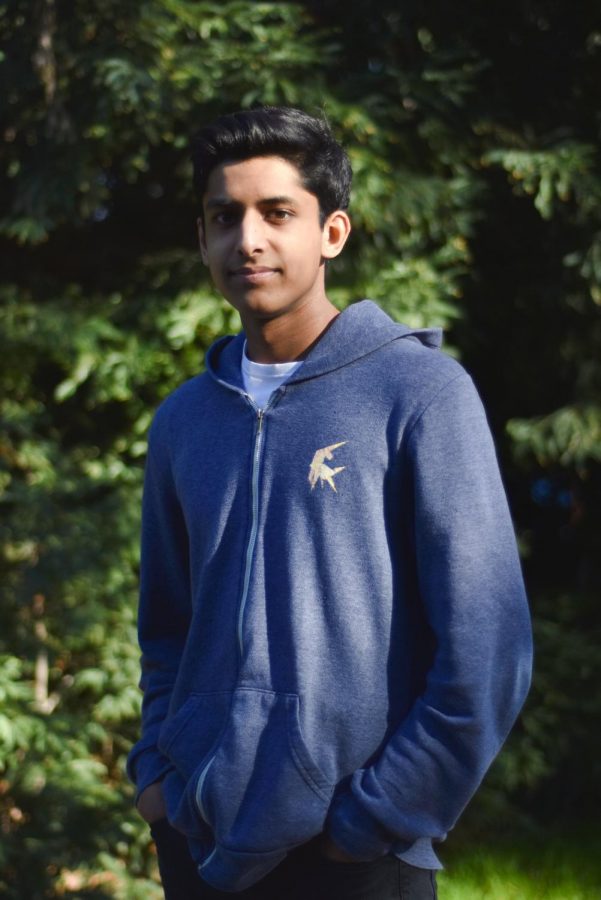

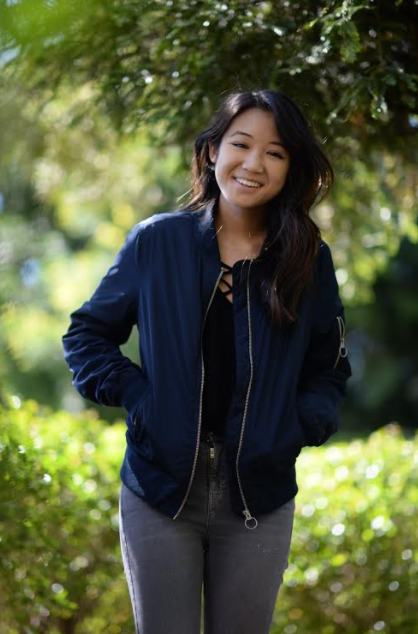
![“I think getting up in the morning and having a sense of purpose [is exciting]. I think without a certain amount of drive, life is kind of obsolete and mundane, and I think having that every single day is what makes each day unique and kind of makes life exciting,” Neymika Jain (12) said.](https://harkeraquila.com/wp-content/uploads/2017/06/Screen-Shot-2017-06-03-at-4.54.16-PM.png)
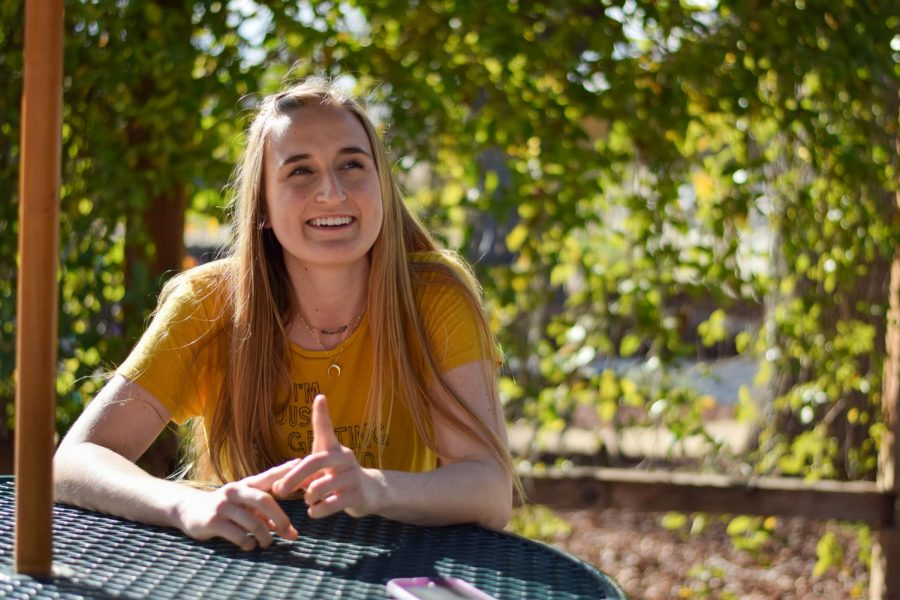
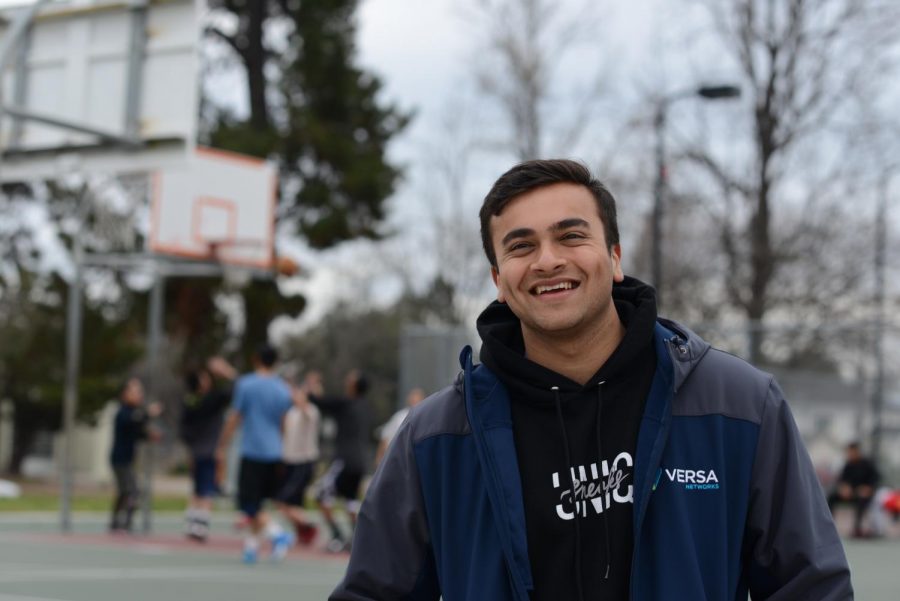
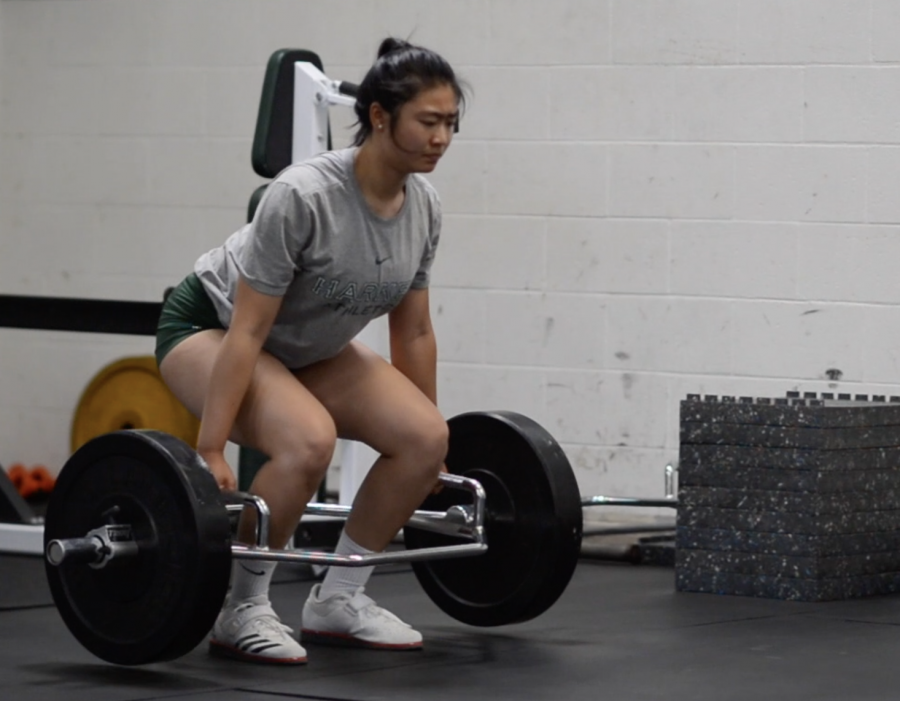
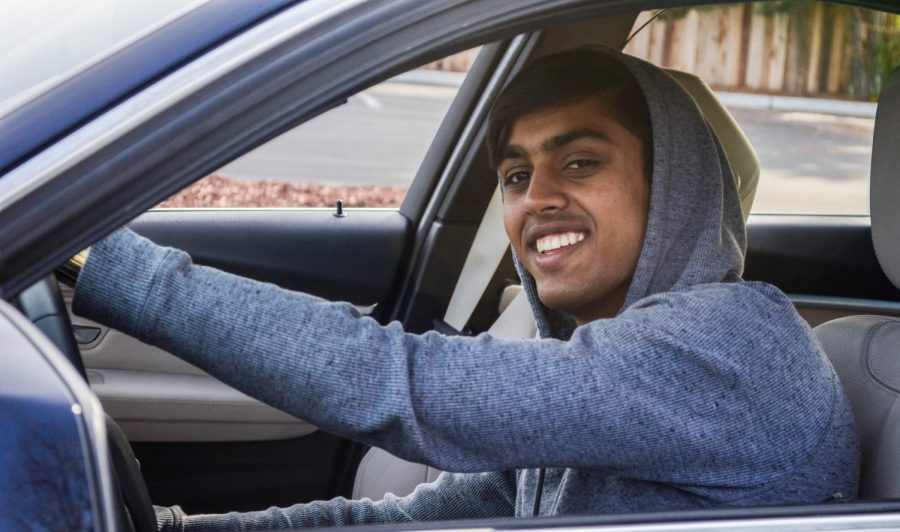
![“My slogan is ‘slow feet, don’t eat, and I’m hungry.’ You need to run fast to get where you are–you aren't going to get those championships if you aren't fast,” Angel Cervantes (12) said. “I want to do well in school on my tests and in track and win championships for my team. I live by that, [and] I can do that anywhere: in the classroom or on the field.”](https://harkeraquila.com/wp-content/uploads/2018/06/DSC5146-900x601.jpg)
![“[Volleyball has] taught me how to fall correctly, and another thing it taught is that you don’t have to be the best at something to be good at it. If you just hit the ball in a smart way, then it still scores points and you’re good at it. You could be a background player and still make a much bigger impact on the team than you would think,” Anya Gert (’20) said.](https://harkeraquila.com/wp-content/uploads/2020/06/AnnaGert_JinTuan_HoHPhotoEdited-600x900.jpeg)
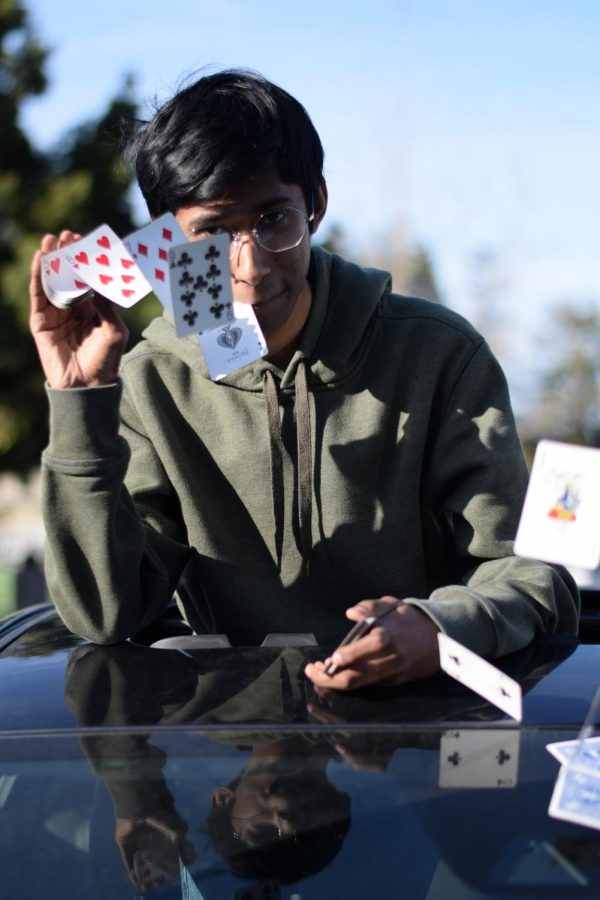
![“I'm not nearly there yet, but [my confidence has] definitely been getting better since I was pretty shy and timid coming into Harker my freshman year. I know that there's a lot of people that are really confident in what they do, and I really admire them. Everyone's so driven and that has really pushed me to kind of try to find my own place in high school and be more confident,” Alyssa Huang (’20) said.](https://harkeraquila.com/wp-content/uploads/2020/06/AlyssaHuang_EmilyChen_HoHPhoto-900x749.jpeg)
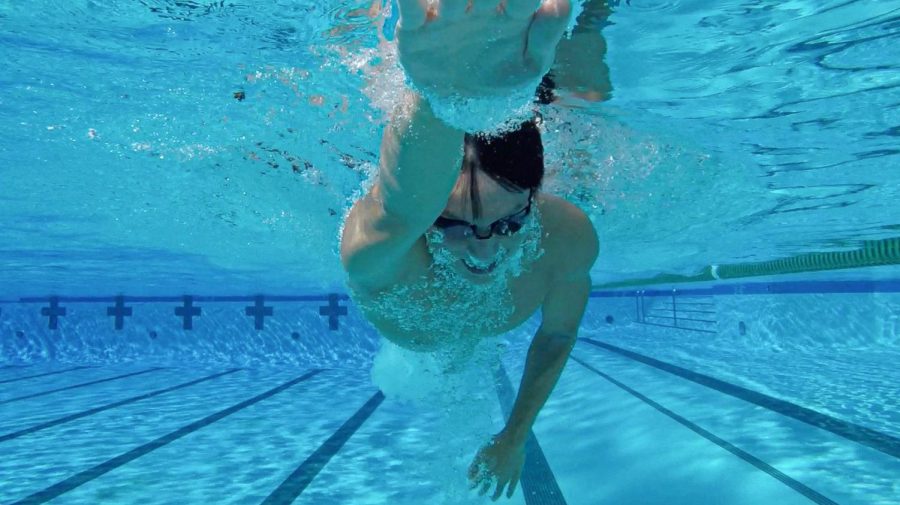

Humans of Harker: Passion and perseverance
Rhys Edwards develops mental and physical resilience through swimming
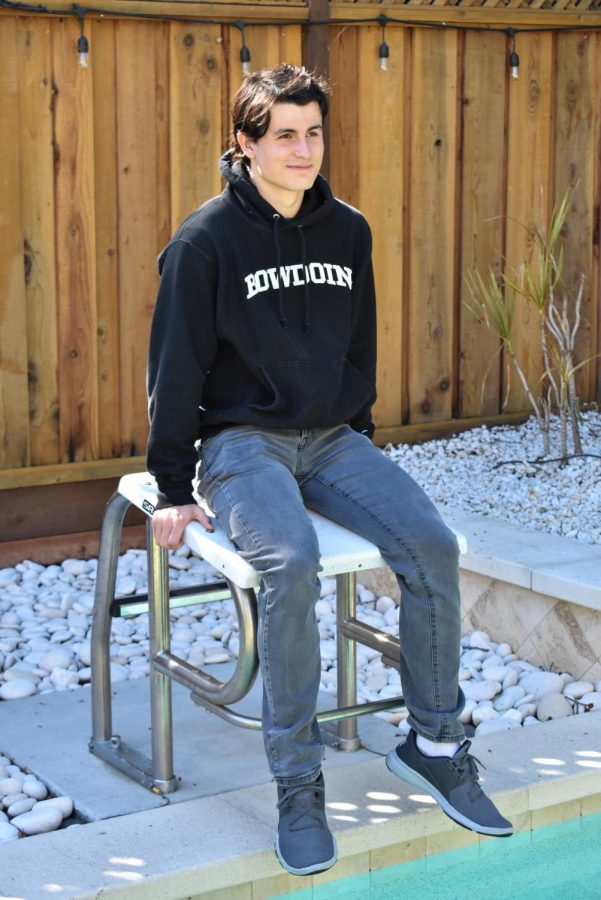
“I’ve definitely had problems with that, where you can psych yourself out so much before the race. You’re going to do bad if you have that mindset of I can’t mess up, I can mess up. You’ve got to accept that things could go badly. You have to accept what comes with racing, which is unpredictable circumstances … You got to go into that race with a mindset of Plan A, but then there’s also Plan B, since not everything’s going to go your way,” Rhys Edwards (12) said.
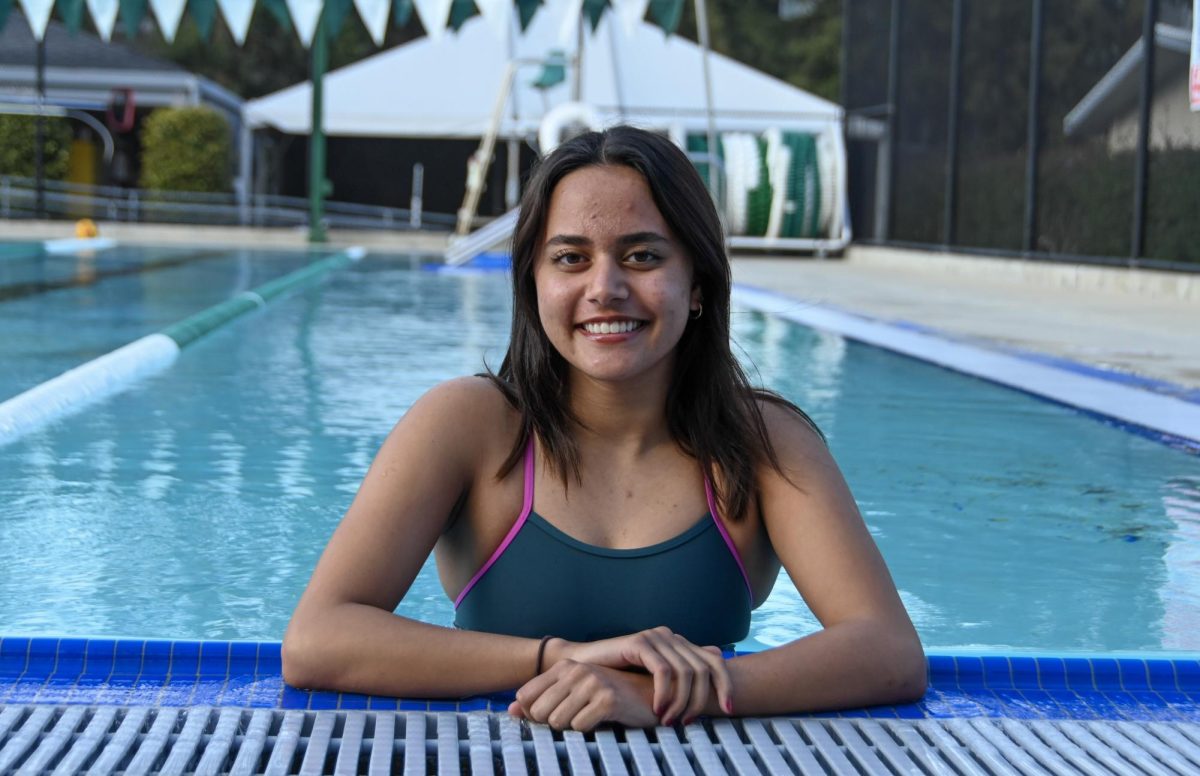
You would expect the average high school student to be fast asleep at 4:30 a.m., but Rhys Edwards (12) is no such student. By then, Rhys has forced himself out of bed, after overcoming the irresistible temptation to turn down the freezing cold water awaiting him at the International Swim Center (ISC) in favor of the warmth and comfort of his bedroom. Waking up at 4:30 a.m. gives Rhys just enough time to stretch and warm up, grab some breakfast, usually consisting of a banana and some Cheerios, and drive to the ISC before swim practice begins at 5:30 a.m. But this isn’t just a weekly or biweekly commitment for Rhys—this is what his mornings look like every single day of the week, school day or not.
“It’s definitely challenging: you wake up, and then you have this five minute mental battle, where you’re sitting on your phone, thinking, ‘I could go back to sleep, but I could also go to the pool,’” Rhys said, describing his morning routine. “I never really say I’m not gonna go, but it’s so tempting every single time. But once you get out of your bed, you get excited for breakfast, and I guess jumping into a freezing cold pool is a nice way to start your day.”
Rhys estimates that he spends around 17 ½ hours a week performing swimming related activities, whether that’s his morning and after school swim practices or daily weight-lifting and aerobics sessions. According to Rhys, committing such a large portion of his week to swimming has taught him the importance of productivity and efficiency.
“Procrastination isn’t exactly an option for me anymore, especially since I have to go to bed really early, so I’m not super tired when I wake up early the next day. I definitely have a lot more motivation to actually get my work done and get everything finished as quickly as possible,” Rhys said.
Close friend and fellow athlete Michelle Ning (12) admires Rhys not only for his work ethic, but also for the positivity he exudes and the friendly competitions the two share.
“Because we’re both athletes, the way we interact with each other, we make everything a competition. One of my favorite memories is when we both took French together, he was always constantly pushing me to do better,” Michelle said. “It’s no secret that he’s better than me at French, but he never held it above my head like, ‘Haha, I’m doing better, you suck.’ It was always like, ‘Yeah, I might be doing better, but use that as motivation to improve yourself.’”
Michelle also admires Rhys for his forward looking mindset and the emphasis he places on not fixating on mistakes of the past.
“He never dwells on negative things. He’s always looking forward into the future, thinking about the next step,” Michelle said. “As someone who tends to linger in the past and think, ‘But, I made this mistake,’ he always tells me, ‘But it’s fine. Life keeps going, life doesn’t stop. Take that mistake, learn from it, and move on,’ and that’s been really helpful for me.”
In addition to admiring Rhys for the “adamant passion and perseverance” with which he approaches swimming, close friend Katie Li (12) values Rhys’s compassionate nature.
“Rhys had a travel [swim] meet a while ago, and it was indoors and his asthma was acting up, and everything was just going really badly. But he somehow still found the energy to cheer on a teammate that he didn’t know that well,” Katie said. “I only found out about this cause that teammate texted him when I was around and was like, ‘Hey, thank you for being there for me and cheering for me,’ and I think that was a really poignant moment that shows who Rhys is.”
Over the course of his competitive swimming career, Rhys has encountered his fair share of physical and mental obstacles, both of which he feels has ultimately affected him for the better in the long term. At the age of 14, Rhys developed tendinitis in both of his medial collateral ligaments (MCLs) and patellar tendons, injuries that he attributes to his disregard for the importance of stretching early on. As these injuries persisted over the course of the next couple months, Rhys became more and more curious as to what their origins were, and eventually, he turned to research as a means of determining what was happening with his knee at an anatomical level.
“The first time I hurt myself, I was thinking, ‘Alright, what the heck is happening here?’ When it kept happening over and over again, I started looking up stuff and getting into the histology of the tendons, how they work together, and how they’re connected to the musculoskeletal system,” Rhys said.
Through extensive online research and numerous conversations with a swim coach of his studying to be a physical therapist, Rhys has developed a complex understanding of the human body and of the musculoskeletal system in particular. He feels this greater understanding has made him better equipped to not only deal with existing injuries, but also prevent ones that may occur.
“Once you understand the anatomy of your body, you understand what you should and should not do, and you know what’s appropriate for muscular health and what’s detrimental,” Rhys said. “Now, I’m the kind of guy who goes around now and is a nerd, telling everyone what to do to try and keep their injuries low.”
Even with the many hours Rhys puts into swimming each week, he understands that nothing is guaranteed, as swimming is a sport that is often decided by just milliseconds. Early on in his competitive swimming career, Rhys found that he often psyched himself out on the way to races, knowing that one minor slip-up could cost him an entire race. As he became more experienced, he learned that this mental battle was an inherent challenge that came with being a competitive swimmer.
“I’ve definitely had problems with that, where you can psych yourself out so much before the race. You’re going to do bad if you have that mindset of ‘I can’t mess up, I can mess up.’ You’ve got to accept that things could go badly,” Rhys said. “You have to accept what comes with racing, which is unpredictable circumstances … You[‘ve] got to go into that race with a mindset of Plan A, but then there’s also plan B, since not everything’s going to go your way.”
Ultimately, it’s the thrill of racing that makes all the hours Rhys has dedicated to swimming over the past seven years worth it.
“Hands down, [what I enjoy most] is the racing. Those 21 seconds, where I can be the best that I can possibly be, when I can look at all this work I’ve done, and then it finally pays off in this tiny amount of time. [Racing] makes all those grueling mornings and nights worth it,” Rhys said.
Vishnu Kannan (12) is the co-managing editor of Harker Aquila with a focus on sports. This is his fourth year on staff, and he hopes to continue telling...
Anika Mani (12) is the co-editor-in-chief of the TALON Yearbook, and this is her third year on staff. She enjoys traveling the world, trying out new restaurants...