



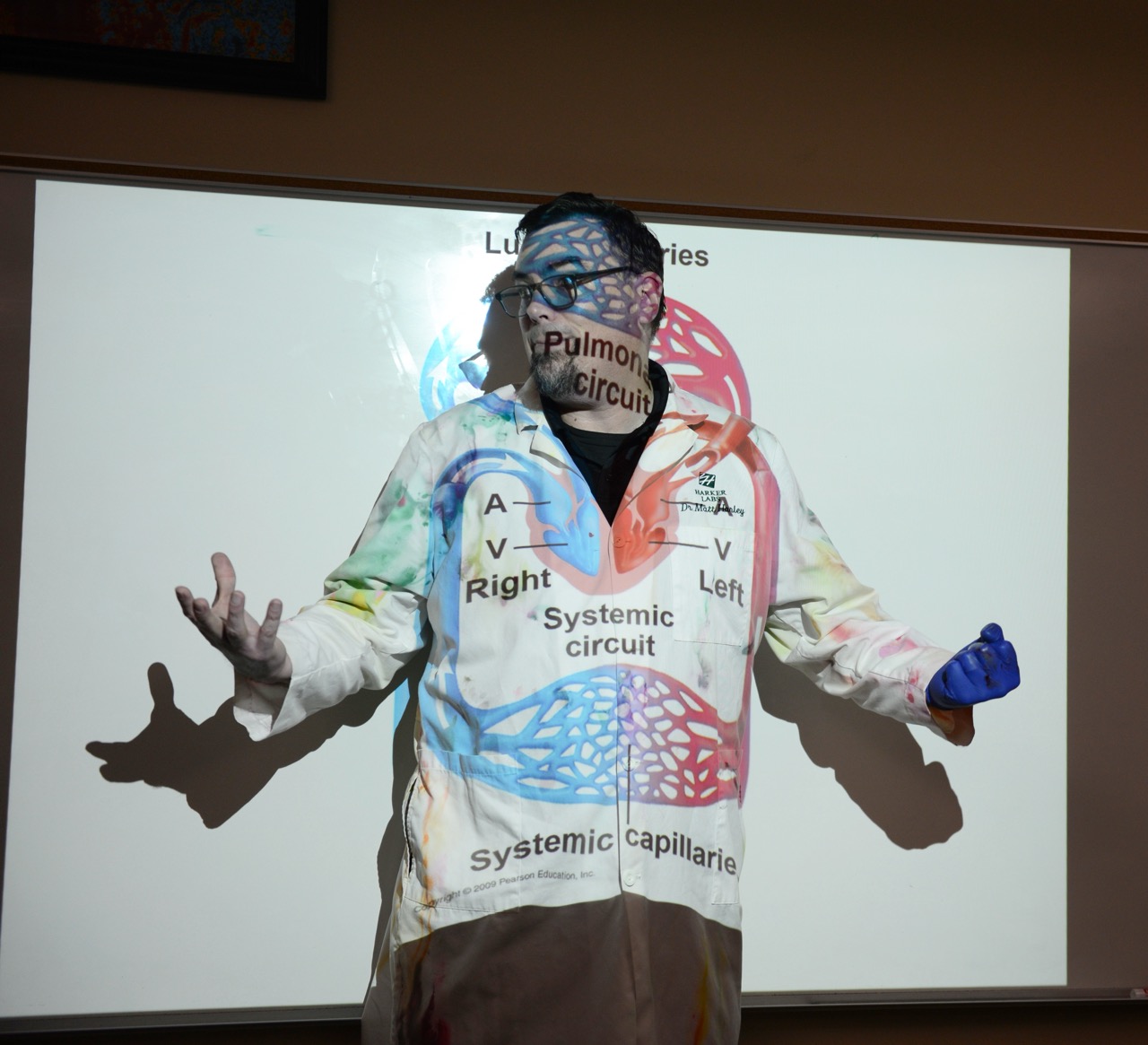
Medical Club held their annual Evening of Medicine event, inviting 60 participants to participate in anatomy table discussions and hands-on medical procedure practice in Nichols on Friday. Attendees also heard a talk from Orthopedic Surgery Professor Derek F. Amanatullah, M.D., Ph.D.
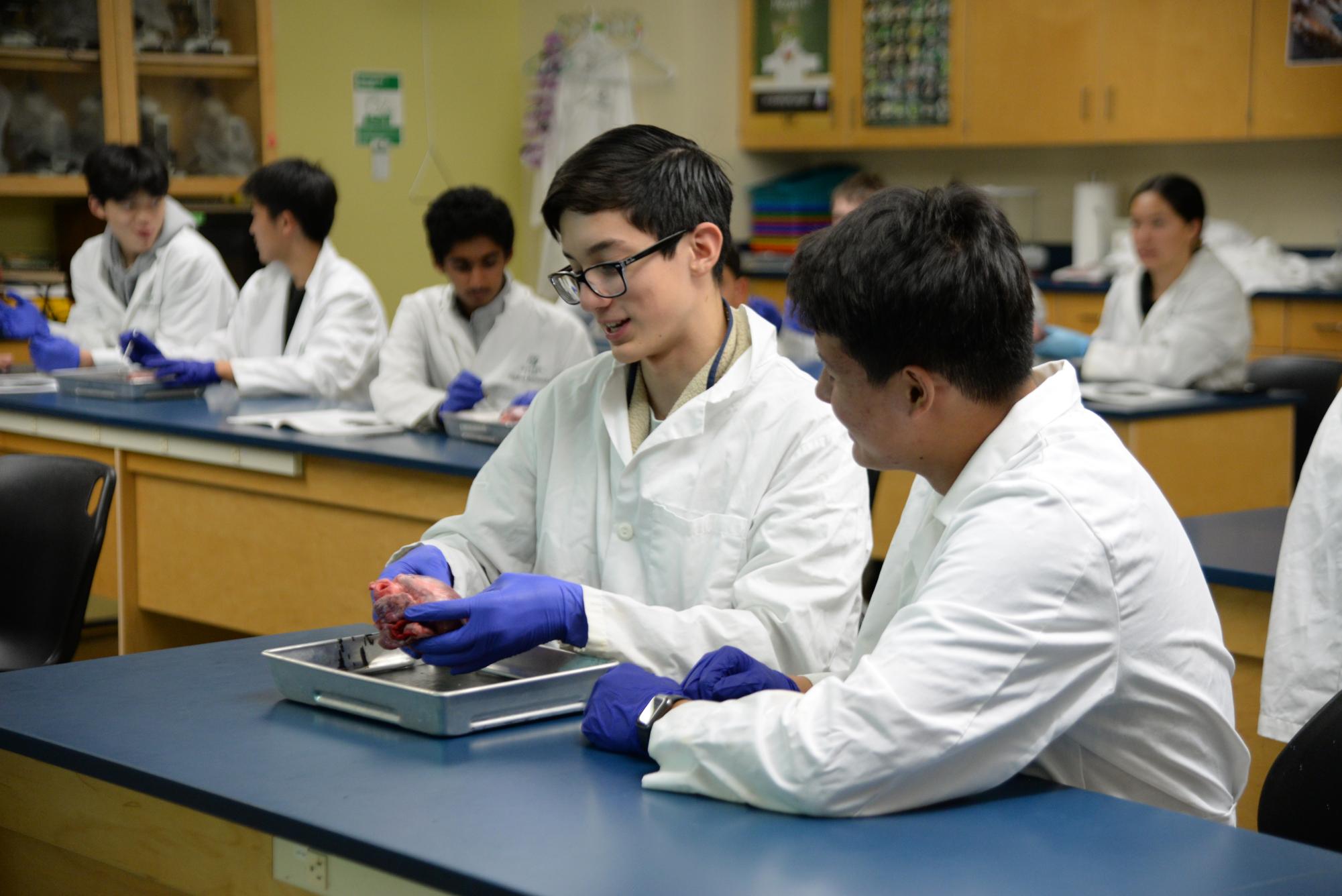
Students practiced a heart dissection, which featured a hands-on exploration of the various chambers and valves in a pig heart. Instructed by biology teacher and Medical Club advisor Matthew Harley, participants took turns cutting and probing the specimens, noting important structures like the coronary artery.
Unlike most other school dissections, which use preserved hearts, the Medical Club dissection used fresh pig hearts.
“In 8th grade we also did a heart dissection, but it wasn’t as bloody as this one – this one felt more like a real heart, which was really cool,” attendee Kavya Srinivasan (10) said. “It’s really cool that school [gets] to do this.”
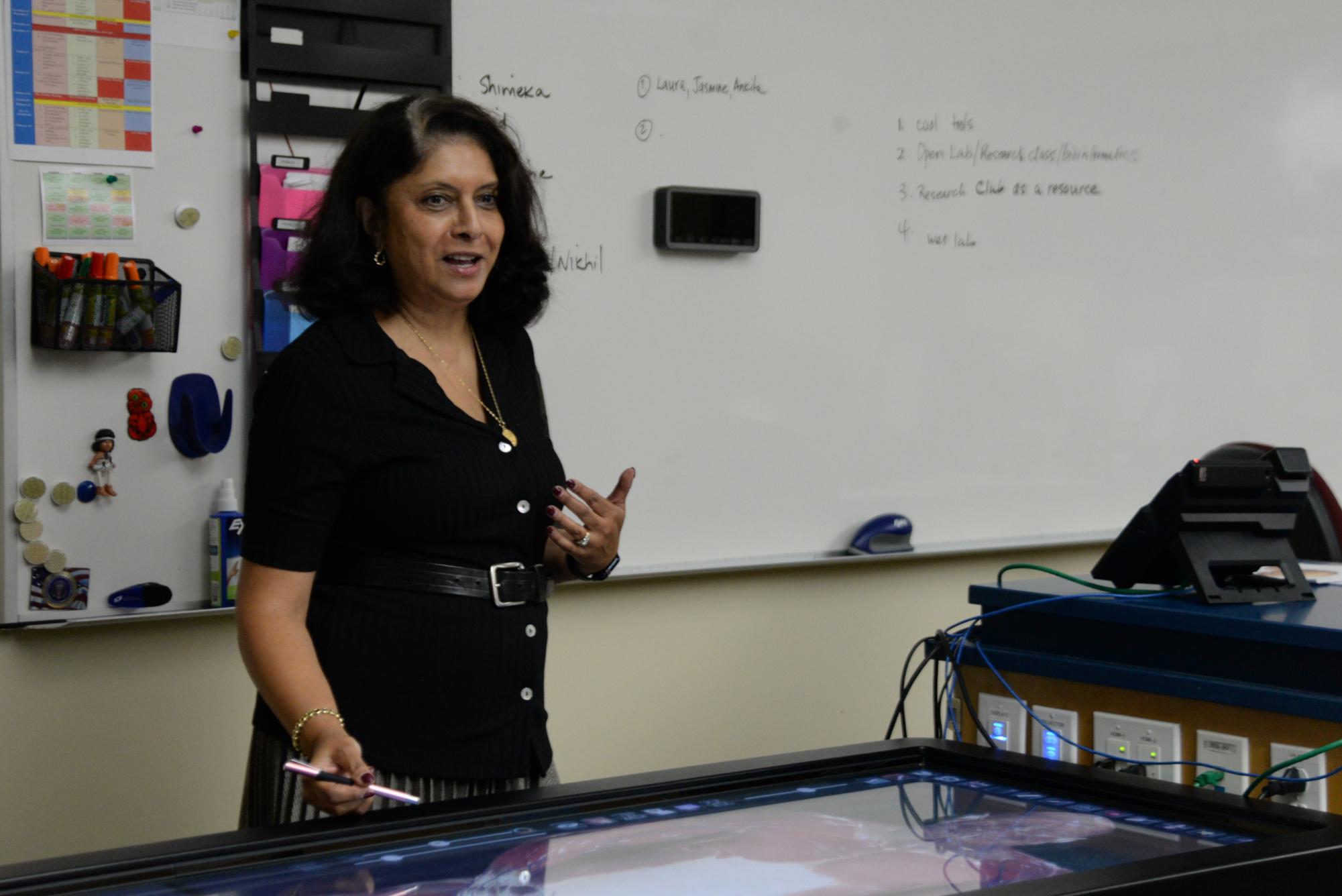
Science Department Chair Anita Chetty showcased 3D models of the human body through Harker’s Anatomage table, one of the only anatomy tables in the nation owned by a high school. Chetty ran through muscle groups in a human model nicknamed “Carl,” a death row prisoner who donated his body to science.
In the same discussion, Medical Club co-president Mendy Mao (12) and co-vice president Yash Sachdeva (12) led participants through deep dives on an ectopic pregnancy case study and the valves of the heart.
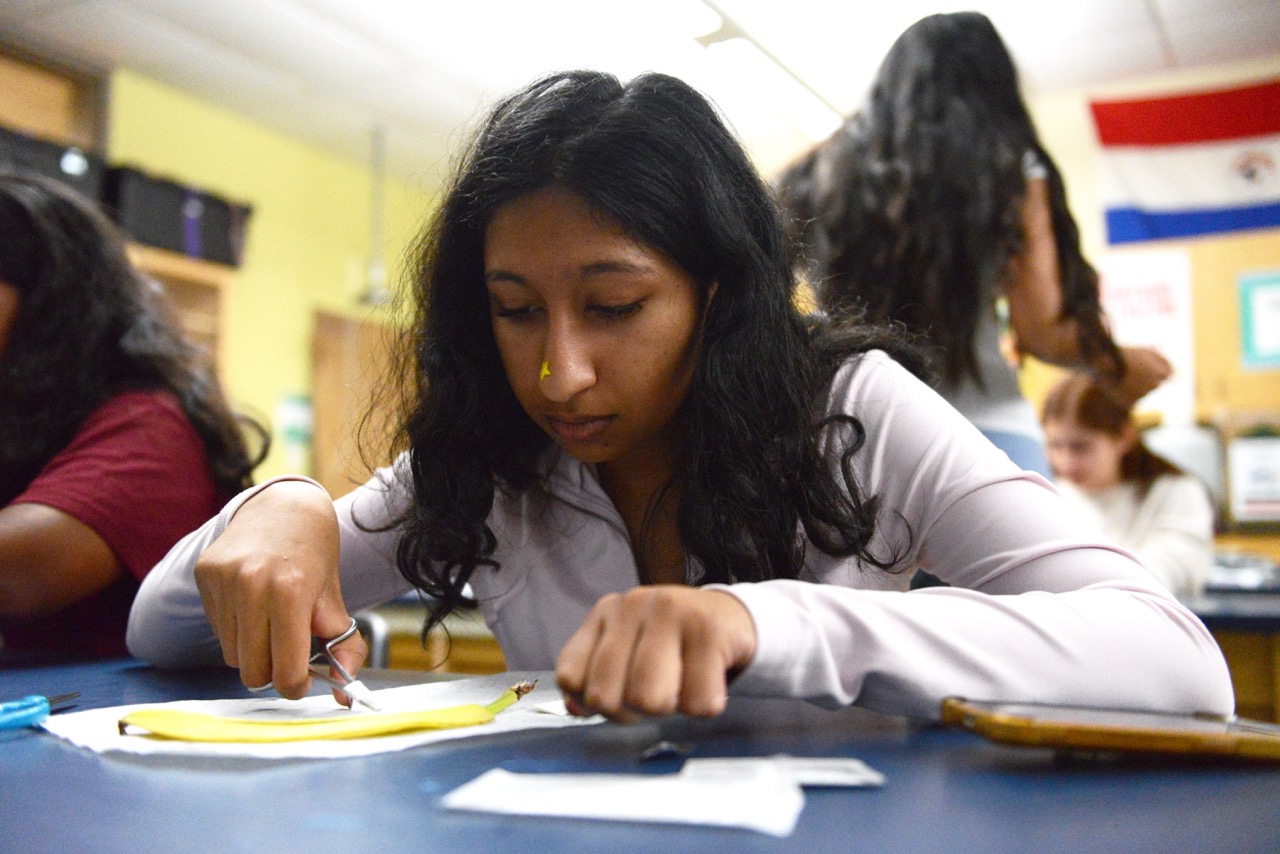
Medical Club officers Riya Samuel (11), Nikita Jain (10) and Bella Wu (10) led the banana peel suture activity, where students practiced the simple interrupted suture using forceps and surgical needles. The officers also demonstrated more advanced techniques like using a pair of forceps to make a neater knot.
“I think this event is really interesting because you look at those pictures in the textbooks and you’re like, ‘OK, yeah, that’s how it looks,’” said sophomore Isabella Wong. “But knowing that what’s in the textbook is actually real and actually being able to see it is pretty cool.”
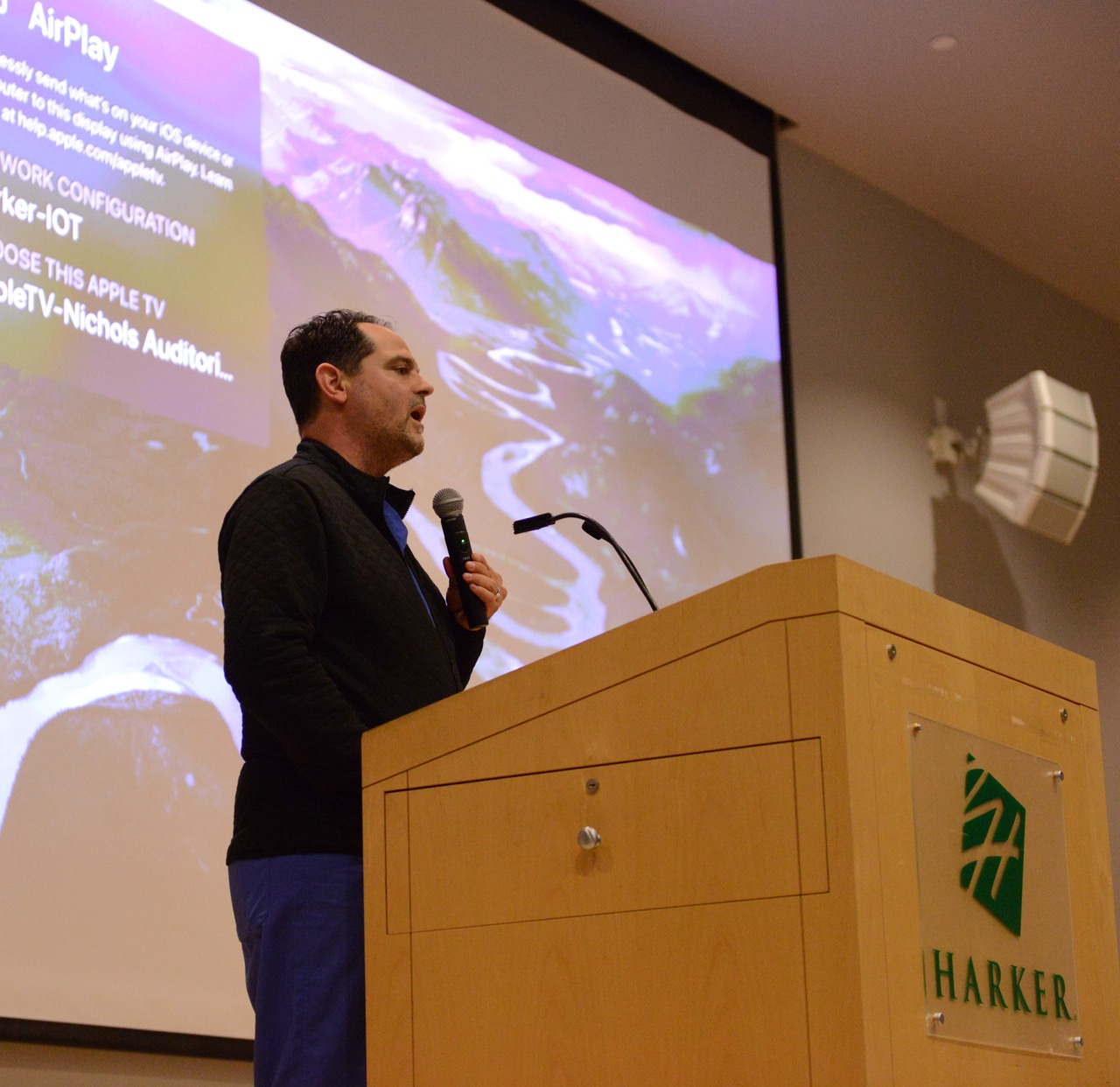
Students congregated in Nichols Auditorium to hear from Dr. Amanatullah. He spoke about his career as both a researcher and orthopedic surgeon, emphasizing the importance of managing his time. Bringing up a photo of his daily schedule, he detailed the personal sacrifices that he has to make, comparing each new time commitment to a ball that he has to juggle.
“If you have decisional regret, [medicine] is going to suck,” Dr. Amanatullah said. “Hard. But if you’re convinced that [medicine] is the one thing for you, that’s the thing, it’s the most amazing thing ever. You just do it, and who cares if it’s hard? That’s why you’re here to figure it out.”
In a Q&A section after the presentation, students asked Amanatullah about his favorite surgeries, his daily life as a surgeon and what they could do to start their medical journey. Amanatullah stayed for an hour after the event concluded to answer questions from students.
“My favorite part of the event was definitely the speaker,” Medical Club co-president Mindy Truong (12), who invited Amanatullah, said. “Hearing his advice and his journey towards pursuing a career in medicine was pretty inspiring. I really enjoyed seeing everyone come together for this event.”